Activity
Mon
Wed
Fri
Sun
Aug
Sep
Oct
Nov
Dec
Jan
Feb
Mar
Apr
May
Jun
Jul
What is this?
Less
More
Owned by Danny
🌎 The world’s first social club dedicated to community-based healing. 🙏 Join free weekly breathwork + resources to tap into greater clarity & flow.
Memberships
Earn With Content 💸
2k members • Free
Noomatics
1.3k members • Free
The Somatic Academy by Soma+IQ
15k members • Free
Claude for Coaches
1.1k members • $47
The Frequency Academy
50 members • Free
High Impact Healer Tribe❤️🔥
54 members • $44/m
GOOSIFY: Skool Made Fun
13.1k members • Free
Community Builders - Free
11.7k members • Free
Foundations of Ascension
9.7k members • Free
6 contributions to Lifestyle Founders Group™

🚀
Feb 20 •
🚨 $20,000 Giveaway! (Scholarships & Prizes) APPLY HERE
On March 1st, I've decided to run a 90-day Sales challenge that might be the most important thing I've ever created... Not because of the $20,000 in scholarships and prizes I'm giving away (though that's real). But because I'm going to teach you the ONE skill that saved my ass through every recession, every market shift, every "disruption" That skill is Sales. But not the gross kind. The human kind. The sitting-with-someone-and-actually-giving-a-damn kind. The helping-people-make-decisions-that-change-their-life kind. While everyone's worried about Ai taking their job, I'm over here knowing one thing for certain: So long as you can sell... You're going to be just fine. After selling $30M in products and services over last 15 years (not a flex, just some context), I can tell you that sales for me has become about 💙 helping people make life altering decisions. 💙 about helping people find the Truth. 💙 a deeply spiritual practice. 💙 and enormous act of service for others. And in the next 90 days, I'm teaching everything I know so you can make sales today and have the skill set for a lifetime. And when I say teaching I don't mean learning from my courses.. We are going to learn by DOING. Real conversations. Real offers. Real results. Real Feedback And... Here's what I'm putting on the table to make sure this is a banger 90 day challenge. → $10,000 in scholarships → $10,000 Prize for top performer (1:1 VIP Day with me + flights & hotel included) → 90 days of implementation, accountability and in the trenches learning... not more information and here's what matters even more: By June 1st, you'll have a skill that makes you recession-proof. AI-proof. Market-proof. Because when you can genuinely help people make decisions that improve their lives? You can write your own check. Forever. The challenge starts March 1st. No this is not free... but probably pays for itself with just 1 or 2 sales. Applications for the $10,000 Scholarships are open now!
3 likes • Feb 23
Human

Oct '25 •
When Resistance Is Actually the Work: A Breakthrough Moment in Deep Mindset Coaching
Fellow coaches, I wanted to share a powerful experience I just had with my beta test client that reminded me of something we all encounter but sometimes forget: client resistance often contains the very issues we're trying to address. The Situation My client—a complex trauma and cancer survivor who has "crashed and burned" with previous therapies—expressed hesitation about listening to her transformational recording after an intense sessions focusing on discovering the root cause of her ‘folding to external circumstances and pressure from needy, manipulative people in her life’ and building her resilience and inner authority (in the form of putting her needs ahead of others instead of putting herself last). She made assumptions that listening to the customized follow-up recording would be as uncomfortable as going through the regression scenes in live therapy, despite my explicit explanations, therefore being somewhat reluctant to listen to the 9 min recording. This came to me through her husband (also a client) who was worried about her locking in the positive results she was already experiencing. Naturally, I became worried she would continue being reluctant to the best part of the program since the recording is a downhill sprint and passive experience with relaxing and replenishing benefits. But through reflection and conversation, I realized something profound was happening. The Breakthrough The very issues we were addressing in the Resilience session—fear of failure, self-criticism, judgment, and prioritizing external validation over well-being—were manifesting in how she approached the therapy itself! Her hesitation wasn't resistance; it was her patterns playing out in real-time. A literal last gasp for the old conditioning. The Approach That Worked I reframed the recordings as a "brain vacation" and normalized that both her conscious and subconscious mind might have "opinions or feelings about the process as it absorbs." I encouraged journaling and open communication about concerns, creating a collaborative framework that honored her agency while providing support.
1 like • Oct '25
Love this share. There's always so much magic to be discovered within the core of Resistance. Great job pulling that out!

Oct '25 •
Completed Micro Offer
I'm new here and I went through the Micro Offer training and came up with 2 great ideas to add to my upcoming membership. The GPTs were super helpful in giving me clarity on the best products to create for my community. It feels like a really big win for me and thought I'd share.
1 like • Oct '25
Amazing work! That's such a huge milestone just getting over the overthinking hump and putting something tangible in place. Looking forward to hearing about your launch!
🚀
Oct '25 •
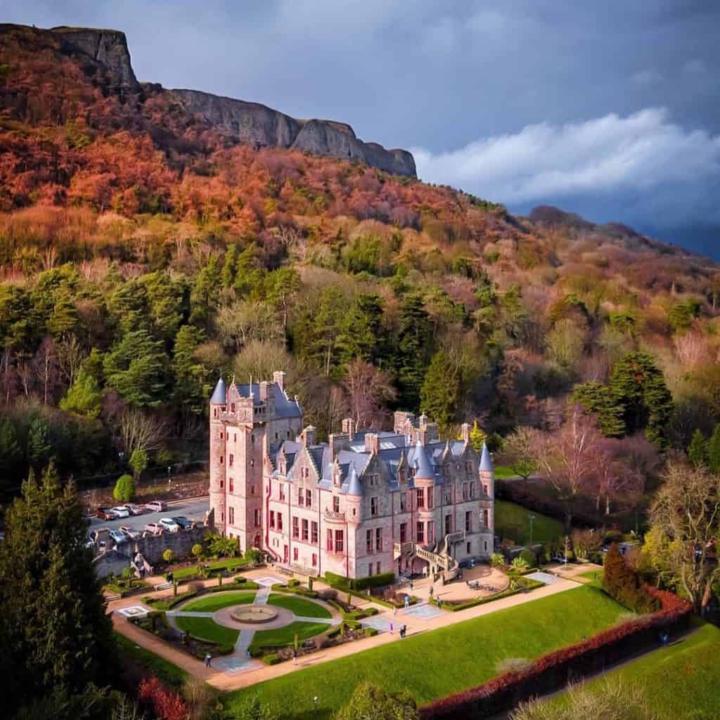
✈️ Off to hang in a castle 🏰
To jam with a few Skool Legends in Ireland this week. @Matthew Thompson / Evelyn Weiss / Calvin Hollywood to name a few. Part of this trip is a scouting mission for one of the 3 IRL masterminds we are planning next year. - Abundance Mastermind in Belize - Mythical Archetypal mastermind in Ireland - Lifestyle mastermind in Kelowna Next year is going be LIT 🔥 want us to share the journey by going live sporadically in this community over the next week? Test out this new Go Live feature from our phones? If you’d like to see the BTS of the trip and in the castle drop a GIF in the comments. Can we get 100 peeps interested in following this journey with us?
1 like • Oct '25
[attachment]
2 likes • Oct '25
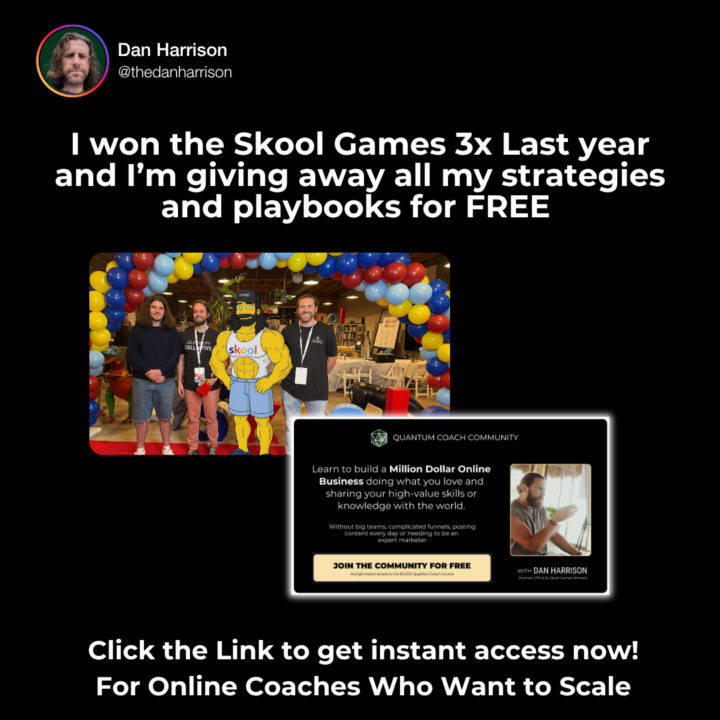
One day in the not so distant future, Alex Hormozi will be using AI generated images of you to run HIS ads 🥇
1-6 of 6
@danny-blue-3858
🌀 Recovering Overthinker || 👯♂️Twin Dad || 🎧 Mindset + Frequency Alchemist || 🌍 Freedom Lifestyle Architect || 🌿 Nature Lover
Active 7h ago
Joined Sep 30, 2025
Powered by