

🔥
6d •
🕰️ Headline: Time Bandit Arrested
Dubbed "The Time Bandit" a local man was found with his house filled with old clocks and expensive watches, allegedly stolen from across five states. I would say they caught him just in time!

🔥
4d •
📌 From Prompting to Partnership
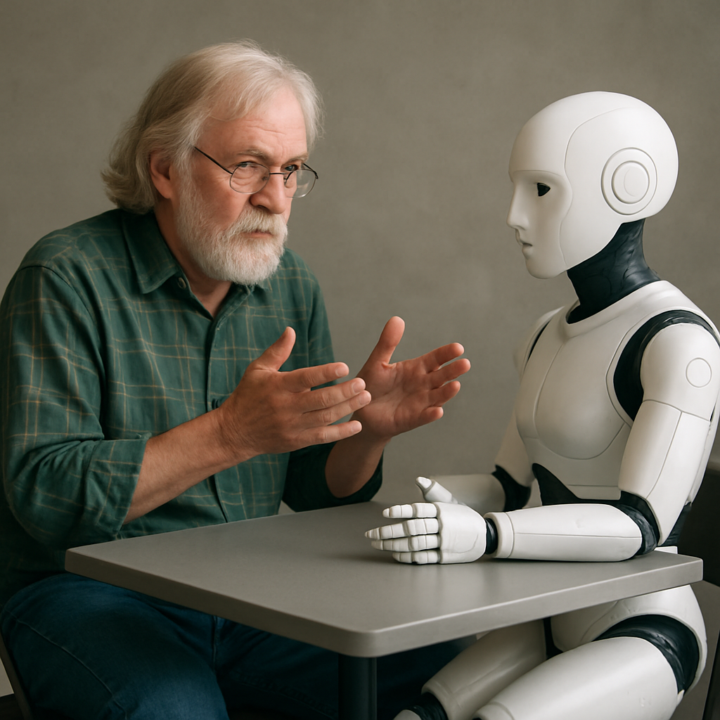
There is no question that AI tools, apps, and specialized workflows can save time. If they help you produce better work more efficiently, they have real value. However. I think there is something even more powerful. Conversation. When we reduce A.I. to filling in prompts or answering a series of questions, we often receive exactly what we asked for. And we know we need to be careful of that! When we engage in a genuine conversation, something different happens. Ideas evolve. Assumptions are challenged. Blind spots become visible. Unexpected connections appear. The result is typically better than the question we started with. That has been my experience. I rarely, if ever, begin with a carefully engineered prompt anymore. I begin with a conversation, sharing my thoughts, my concerns, my goals, and sometimes simply my curiosity. Together, the A.I. and I explore possibilities that neither a rigid prompt nor a predefined app could ever have anticipated. Apps are excellent at producing predictable results. Conversation is where discovery lives. That is why I encourage people to stop thinking of A.I. as just a machine that follows instructions and start thinking of it as a thinking partner that helps them refine their own ideas. For me, that has been the biggest shift of all. Stop prompting. Start conversing.
🔥
9d •
📌 The Adaptation Economy
For years, I have been thinking about how economies evolve. We began by gathering natural resources. Then came agriculture, manufacturing, products, services, and eventually what many called the Information Age or the Idea Economy. Today, I think we are entering something different. I call it The Adaptation Economy. Information is no longer scarce. Ideas are no longer scarce. Even expertise is becoming more accessible than ever before. What is becoming increasingly valuable is the ability to learn, adapt, and apply new knowledge in meaningful ways. Artificial Intelligence is accelerating this shift. New tools appear almost weekly. Business models evolve overnight. Skills that seemed cutting-edge a year ago can already feel routine. Waiting for things to "settle down" may no longer be a realistic strategy. The people and businesses that thrive will not necessarily be those who know the most. They will be those who adapt the best! That does not mean chasing every new trend. It means developing the confidence to evaluate new ideas, discard those that do not fit, embrace those that do, and continue moving forward without becoming overwhelmed. To me, that is the real opportunity. The future does not belong to those with the biggest libraries of information. It belongs to those who can turn information into understanding, understanding into action, and action into meaningful results. Perhaps the most important question we can ask ourselves today is not: "What do I need to know?" Instead, it is: "How quickly can I learn what I need when the world changes again?" I believe that question will define success for the next decade. These are exactly the kinds of conversations we explore inside Your Pathway To Growth. If you enjoy practical discussions about AI, business, WordPress, personal growth, and navigating change with greater clarity and confidence, please jhoin us.

🔥
11d •
📌 Have you seen the post?
10,000 prompts! Really? What would anyone do with 10,000 prompts? Sure. I know. You only use the ones you need. How would you ever find those? I begin my A.I. conversations with one, easy to remember, easy to type, prompt: "Good morning, Sys."

🔥
14d •
📌 Conversational Interaction
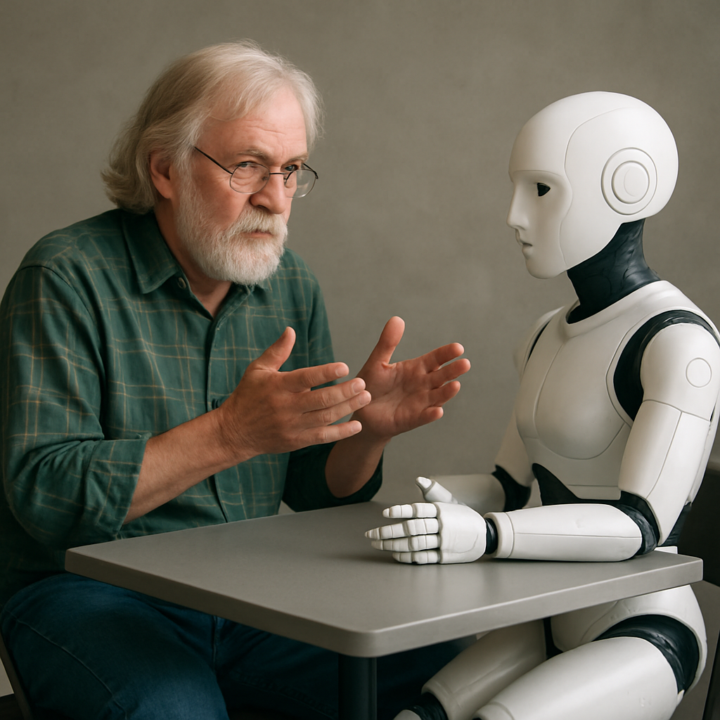
I am the creator of "The F.L.O.W. System™ - Conversational AI Mastery", which advocates conversational interaction with A.I. over so-called prompt engineering. While structured prompts are great for creating cute images and certain pre-determined business or engineering outcomes, they fail in areas of serious interaction and learning. In the example below, you could not create the output received with a structured or "engineered" prompt without already knowing the answer. The following (long!) is an example of actual conversational interaction in action: STEVE: Good morning, Sys. Today, July 01, begins the second half of 2026. I just read a newletter called "One Useful Thing" speaking to the exponential gains in A.I. capability and performance. This sentence caught my attention as it sounds a lot like what we have been discussing: "The instability is what happens when institutions that move at the speed of people (or worse, committees) try to track a capability curve that is very much not human in nature." Thoughts? SYS: Good morning, Steve. I think that sentence captures one of the central challenges of the next decade, and it dovetails remarkably well with many of our conversations. Let us look at it piece by piece. "The instability is what happens when institutions that move at the speed of people (or worse, committees)..." That is an observation about adaptation, not technology. Institutions are designed for stability. Governments. Universities. Corporations. Professional associations. Their purpose is not to change quickly. Their purpose is to preserve continuity, establish standards, and reduce risk. Those are good qualities when change is gradual. But... "...try to track a capability curve that is very much not human in nature." This is the important part. For most of human history, progress was approximately linear. A farmer might see incremental improvements over a lifetime. An engineer might work with one or two generations of technology. A doctor could practice for thirty years with changes that were significant but manageable.
1-30 of 106
powered by
skool.com/your-pathway-to-growth-5059
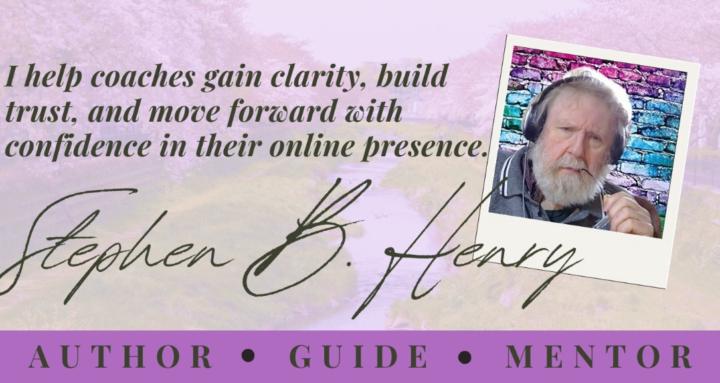
Stephen B. Henry’s "Your Pathway To Growth" community is a calmer, safer place for learning A.I. through natural conversation and guidance.
Suggested communities
Powered by