
Pinned

🔥
Dec '25 •
📌 Start Here — You Are Welcome to Settle In
Welcome to Your Pathway To Growth. You do not need to do anything right away. There is no pressure here to introduce yourself, keep up, or prove anything. Many members choose to listen quietly at first; that is perfectly fine. This is a calmer, guided space where you can think clearly, move steadily, and ask questions, and introduce yourself when you are ready. Take a look around. Read what speaks to you. Settle in at your own pace. You are in good hands here. No pressure. Just an open invitation. 👉 https://www.skool.com/your-pathway-to-growth-5059/plans

Pinned
🔥
Dec '25 •
📌 How This Space Works — Simple and Calm
This community is designed to be steady, not noisy. You will find: - short guidance and reflections from Steve - practical insights and perspective - space to think and ask questions when you need to - direct access to Stephen B. Henry, author, success guide, personal mentor This forum is here to connect the moments between sessions, not to demand constant interaction. Listening is welcome. Questions are welcome. Progress happens at your own pace. Join me for Lunch With Steve every Tuesday at noon Eastern for an hour of discussion, sharing ideas, and presenting your latest programs and offers. Drop by and share, or just listen. This is open to everyone, members and non-members alike. Find the link in our skool calendar: 👉 https://www.skool.com/your-pathway-to-growth-5059/calendar

Pinned
🔥
Dec '25 •
📌 Questions for Steve — Ask Anytime
If you have a question, this is always a good place to ask. You do not need to wait for a call or special moment. Big questions, small questions, or something you are simply thinking about; all are welcome. When you are ready, ask. Just post as a comment below. If you prefer to listen quietly for now, that is perfectly fine too. Reading is participating. The Skool Cafeteria community is now found here: 👉 https://www.skool.com/skool-cafeteria-3864

🔥
13h •
🤖 Words That Lie:
5 Marketing Terms That Do Not Mean What You Think Modern marketing relies heavily on comfort words—terms carefully chosen to make us feel secure, valued, and safe. However, when you look closely at the legal fine print and real-world outcomes, many of these promises dissolve into clever redefinitions. Here are five widely used marketing terms that often mean something entirely different in practice. 1. "Protection" (Insurance) - The Pitch: Insurance companies build their entire brand around providing total "protection" for your home, vehicle, and valuable possessions. - The Reality: A policy cannot protect a physical object from harm. If you insure a historic home built in the 1800s and a fire burns it to the ground, the insurer pays out a monetary settlement to build a modern structure. The original craftsmanship, irreplaceable history, and personal memories are gone forever. Insurance offers financial indemnification after a loss occurs—it offers zero physical protection. 2. "Lifetime" (Warranties & Guarantees) - The Pitch: Marketers use "lifetime warranty" or "lifetime access" to imply a product or software tool will remain supported for as long as you live. - The Reality: In corporate contracts, "lifetime" rarely means your lifetime. Instead, it refers to the estimated market lifecycle of the product as determined by the manufacturer. The moment a company declares a product "End of Life" (EOL) or sunsets a software platform after a few years, the warranty and support disappear instantly. 3. "Permanent" (Cloud Storage & Digital Purchases) - The Pitch: Digital media platforms and cloud services market "permanent purchases" and "forever storage" for eBooks, movies, and file archives. - The Reality: You rarely own digital media; you purchase a conditional, revocable license to stream or download it from a remote server. When digital storefronts lose licensing rights, titles quietly vanish from user libraries. Similarly, physical servers degrade, terms of service change, and cloud companies close down. What was sold as permanent retention was merely temporary access.
2
0


1-30 of 264
powered by
skool.com/your-pathway-to-growth-5059
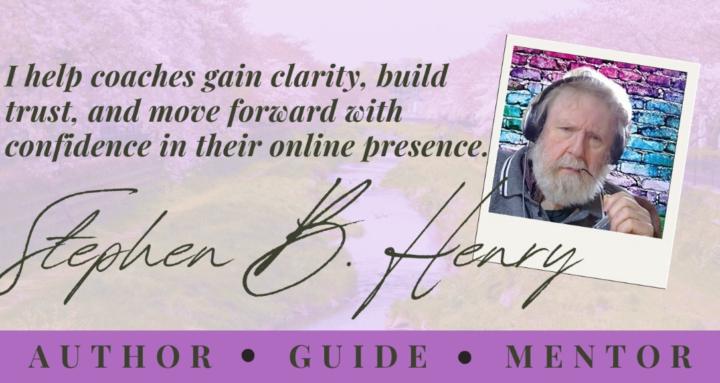
Stephen B. Henry’s "Your Pathway To Growth" community is a calmer, safer place for learning A.I. through natural conversation and guidance.
Suggested communities
Powered by