
Write something
May 17 •
Slinger Lifted 20 Metres off the Ground
Incident Overview During a tower crane operation on a UK construction site, a tub of mortar was being lifted to upper floors for bricklayers. As the load began travelling upward, the slinger was still holding the tagline attached to the load. During the lift, the tagline became twisted and wrapped around the slinger’s hand, causing him to be lifted from the ground together with the moving load. The slinger was reportedly lifted approximately 3-4 storeys high (around 20 metres) before someone on site noticed the situation and communicated with the crane operator to stop the lift immediately. The incident had extremely high fatality potential. What Went Wrong Slinger remained attached to the tagline during live lifting operation Tagline wrapped/twisted around the slinger’s hand No safe release distance maintained from suspended load Lifting operation continued without immediate recognition of entanglement Poor monitoring of load travel during vertical movement Unsafe proximity between personnel and suspended load Key Lessons Learned Taglines must control the load, not control the person Personnel should never wrap taglines around hands or body parts Entanglement hazards can become fatal within seconds Tower crane lifts require constant monitoring during load travel Simple unsafe habits can escalate into life-threatening incidents Safety Recommendations Never wrap taglines around hands, wrists, or body. Maintain safe distance from suspended loads during lifting. Release taglines once load control is no longer required. Brief lifting teams on entanglement and snagging hazards. Ensure crane operators and supervisors actively monitor load travel paths. Stop lifting operations immediately if personnel become entangled. Incident Source Real incident reported on a UK construction site (2026). Slinger lifted approximately 20 metres after tagline became wrapped around hand during tower crane mortar tub lift. Regulatory Mapping ● LOLER Reg. 8 – Lifting operations must be properly planned and supervised.
0
0
Jan 24 •
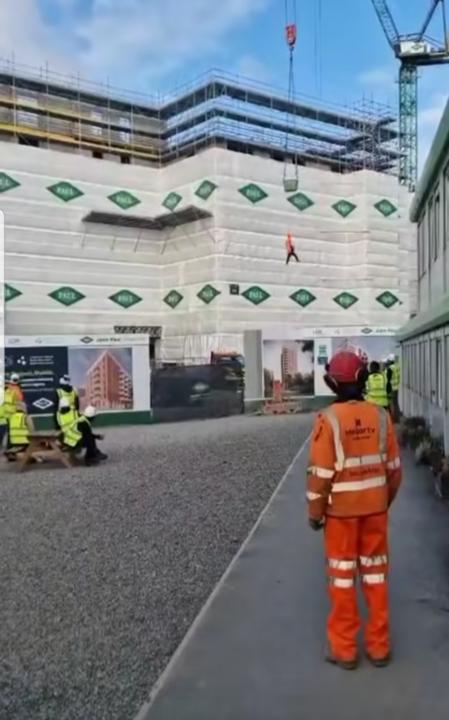
Slinger Signaller Harassed Mid-Lift
Incident Overview While offloading a full lorry of reinforcement steel, a banksman was repeatedly distracted and harassed by the steel foreman. During an active lift, the foreman physically touched and pinched the banksman, undermining concentration and authority. The incident was reported. The foreman received a “yellow card” and was removed from site for one day. He returned the following day. The banksman refused to return to the site due to lack of confidence in site management’s response. What Went Wrong Harassment was allowed during a live lifting operation. Site management failed to recognise that distraction during lifting is a safety-critical issue, not a behavioural inconvenience. The fact that the management allow the worker/foreman to come back the next day is a safety risk factor for further lifting operations. Key Lessons Learned Distraction during lifting is a serious hazard Harassment compromises safety and authority Weak management response enables repeat behaviour Safety Recommendations Zero tolerance must apply to harassment during lifting operations. Any behaviour that distracts lifting personnel must result in immediate removal and escalation. ●LOLER Reg. 8 – Lifts must be supervised and controlled. ●PUWER Reg. 9 – Distraction compromises safe operation. ●BS 7121-1 – Lifting personnel must work without interference. ●CDM 2015 – Site management must control behaviour affecting safety. Key Message Harassment during lifting is a safety breach. Wolf Lifting Dynamics – Safe Lifting UK | www.wolflifting.uk | Case Study 79
0
0
Jan 19 •
Working Around Mobile Plant. Blind Spots and Exclusion Zones
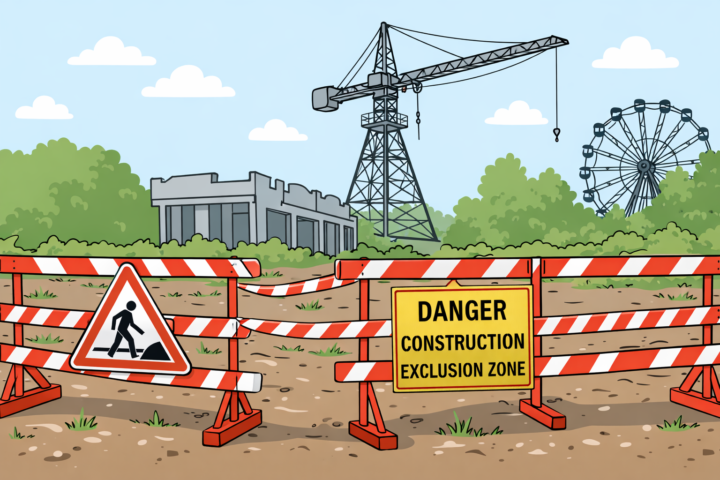
Incident Overview During a site safety demonstration, an excavator (180° plant) was positioned centrally with clearly marked blind spot, exclusion zone, and safe zone areas. Cones, barriers, and signage were used to visually show how quickly visibility is lost around mobile plant. Operatives were asked to stand at various positions around the machine while the operator remained seated in the cab. From ground level, the machine appeared fully visible. From the cab, several workers disappeared completely from view, even at short distances. This exercise reflected a common live-site condition where workers believe they are “seen”, while in reality they are positioned directly inside blind spots. What Went Wrong On active construction sites, similar plant is often operating: ●Excavators (180° / 360°) ●Forklifts ●Roto 360 telehandlers Workers frequently enter the operating radius to guide, observe, or “just pass through”. Exclusion zones may exist on paper, but are not always respected or actively controlled. If a worker can enter a blind spot, the exclusion zone has failed. The risk increases when: ●The plant is slewing or reversing ●Attachments obstruct the operator’s view ●Ground workers assume eye contact equals visibility ●Exclusion zones are not physically enforced Key Hazards Identified ●Operator blind spots on all sides of the machine ●Crushing risk during slewing or reversing ●Workers standing within the machine’s operating radius ●False sense of safety due to proximity and familiarity ●No single person controlling the exclusion zone Any of these conditions can result in striking, trapping, or crushing injuries. Key Lessons Learned ●If you can see the machine, it does not mean the operator can see you ●Blind spots exist even on modern plant ●Exclusion zones must be physical, not verbal ●Standing “just outside” is still inside the risk Safety Recommendations ●Establish clear exclusion zones using barriers, cones, and signage ●Never rely on eye contact or assumptions of visibility
0
0
Jan 19 •
Fatigue at the End of Shift
Incident Overview Near the end of a long shift, a lifting operation continued despite visible fatigue in the crane team. Reaction times slowed, signals were delayed, and decision-making became rushed as everyone focused on finishing the job. What Went Wrong Fatigue was recognised but not managed. The team prioritised completion over control. Key Lessons Learned Fatigue reduces situational awareness End-of-shift lifts carry higher risk “One more lift” thinking is dangerous Safety Recommendations Assess fatigue levels before continuing lifting late in the shift. If concentration drops, postpone the lift to a safer time. ●LOLER Reg. 8 – Lifts must be supervised and controlled at all times. ●PUWER Reg. 9 – Competence includes fitness for work. ●BS 7121-1 – Human limitations must be considered. ●CDM 2015 – Work must be planned to avoid foreseeable risk. Key point Fatigue increases risk, not tolerance. Wolf Lifting Dynamics – Safe Lifting UK | www.wolflifting.uk | Case Study 76
0
0
Jan 19 •
Exclusion Zone Gradually Ignored
Incident Overview At the start of the shift, exclusion zones were clearly set out and enforced. As the day progressed, barriers were moved, workers stepped inside briefly, and supervision became less visible. By the afternoon, the exclusion zone existed in name only. What Went Wrong Standards drifted. Repeated minor breaches were tolerated until unsafe behaviour became normal. Key Lessons Learned Drift happens quietly One breach invites the next Exclusion zones need active enforcement Safety Recommendations Exclusion zones must be monitored continuously. Any breach should trigger immediate correction and reinforcement of boundaries. ●LOLER Reg. 8 – People must be protected during lifting. ●PUWER Reg. 11 – Prevent access to dangerous moving parts. ●BS 7121-1 – Exclusion zones must be enforced, not assumed. ●CDM 2015 – Site activities must be actively managed. Key point Drift is a management failure. Wolf Lifting Dynamics – Safe Lifting UK | www.wolflifting.uk | Case Study 74
0
0
1-20 of 20
powered by
skool.com/wolf-lifting-dynamics-9548
This community shares real lifting case studies, consultancy insights, and site-proven lessons covering cranes, supervision, planning, and execution.
Suggested communities
Powered by