The SuperHuman Standard
Private
2.1k members
$47/month

This is NOT for average men...
This is a no-BS, systematic infrastructure built for men who know they’re underperforming — and are done pretending they’re fine with it.
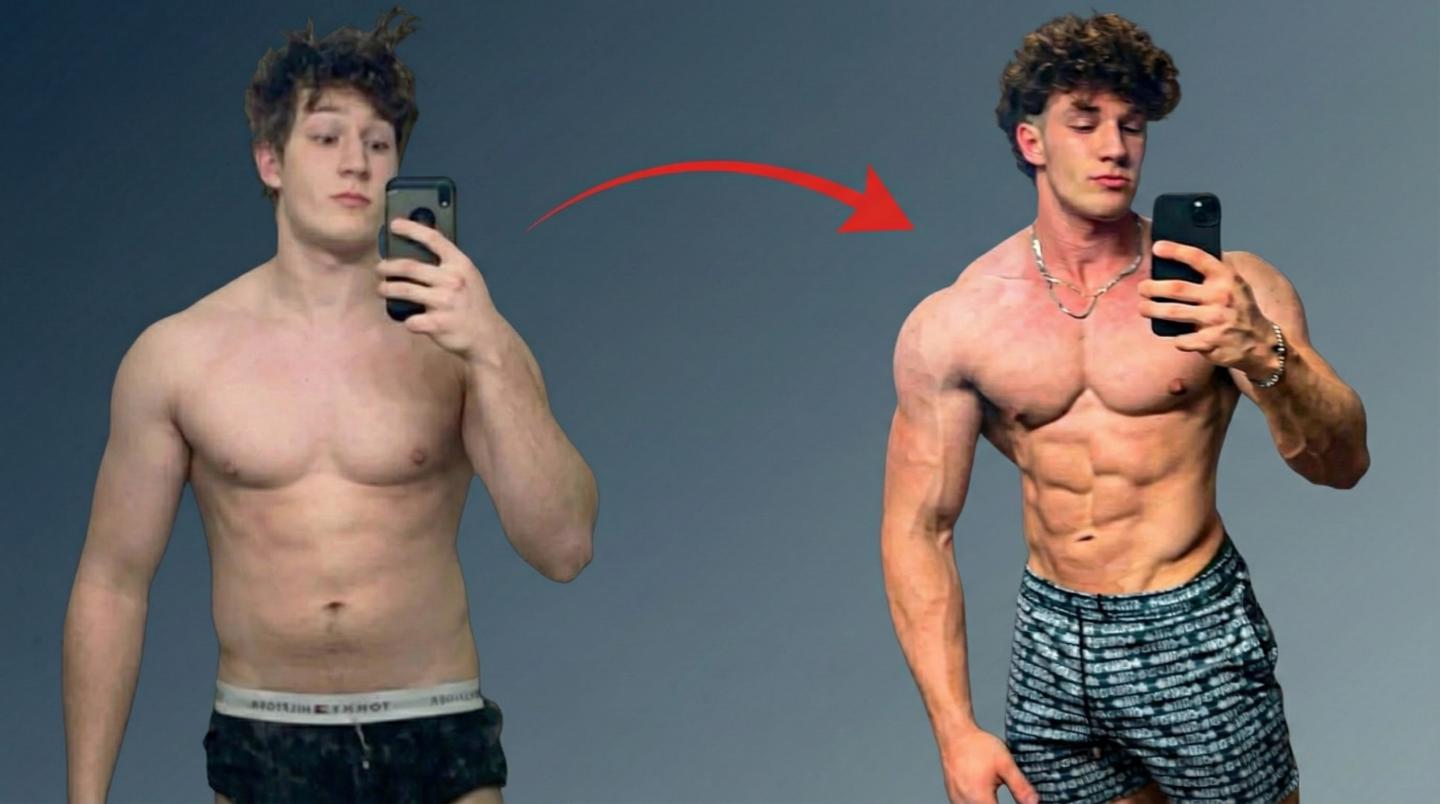
Drastically improve your looks, charisma, physique, performance, and knowledge
This is for men who know they’re underperforming, are done lying to themselves, and are ready to become undeniable.
What You Get Access To
A private optimization library containing $9,500+ worth of condensed systems, including:
- Training, nutrition, and recovery protocols
- Risk-aware education and safety frameworks
- Identity correction and discipline systems that eliminate inconsistency
- Weekly live calls for calibration, strategy, and course correction
- Direct access to me and other experienced mentors
- Exclusive guides released weekly to keep momentum compounding
- True personalized advice on bodybuilding/self improvement & how to apply the lessons
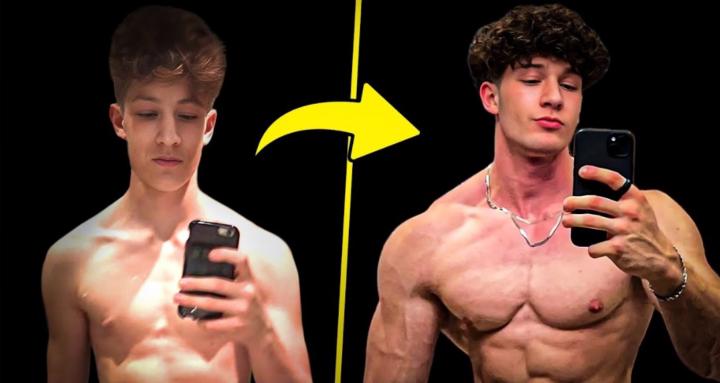
✅ This is for men looking to make years of progress in a matter of months.
❌ This is not for mindless consumers
skool.com/thesuperhhumanstandard
Access to $9,500+ in condensed systems including resources in Physique Composition, Male Looks Improvement, Mental Acuity & Performance.
Powered by