
Write something

7h •
🚨 Everybody Trusts You. Now Get Paid What You're Worth.
Sis, you're the expert they trust. And TODAY is the day you start loving what they pay you TOO!! 📣📣📣 THE JUNETEENTH FLASH SALE IS LIVE RIGHT NOW — AND IT ENDS AT MIDNIGHT TONIGHT!! $199. 100 TICKETS. TODAY ONLY. NOT A MINUTE MORE!! And while you are reading this — somebody ELSE just grabbed their seat!! And another one!! And ANOTHER ONE!! Are you really going to let that be YOU standing on the outside looking in AGAIN?! 🔥 STOP WHAT YOU ARE DOING RIGHT NOW!! This is NOT a drill. This is NOT "I'll get to it later." LATER DOES NOT EXIST TODAY!! The only thing that exists today is THIS LINK and the seat that is waiting for YOU!! Midnight hits OR those 100 seats are claimed — whichever comes FIRST — and it is SHUT DOWN. GONE. FOREVER. No replays. No extensions. No "can I still get one?" THE ANSWER IS NO AND IT WILL ALWAYS BE NO!! Black Women Sell Live 2026. Three days in Atlanta. September 25th, 26th, and 27th. 1,000 Black women entrepreneurs in MY room — DONE being the expert everybody trusts but nobody pays what she is WORTH!! You love your clients. You show up for them EVERY single time. Now it is YOUR turn to be in the room that teaches you how to make them love what they pay YOU!! The women who got in this room last time are STILL talking about it!! The breakthroughs. The connections. The strategy. The plan they walked out with — not drafted — BUILT. DONE. IN THEIR HANDS!! Every. Single. Second. You wait is a seat somebody else is taking RIGHT NOW!! ⌛ The clock is ticking. Midnight is coming FAST. This is YOUR moment and I am NOT letting you miss it!! Are you claiming your seat or watching somebody else take it?! 🎟 Grab your tickets NOW → https://www.blackwomensellevent.com/juneteenth

16h •
🚨 THE $199 TICKET IS LIVE — GET YOUR SEAT BEFORE IT'S GONE 🔥
🚨 Y'all I AM SCREAMING — This is IT. The ticket is LIVE!! 📣📣📣 The moment is HERE and I need you to MOVE RIGHT NOW!! 🎉 THE JUSTICE TICKET FOR BLACK WOMEN SELL LIVE 2026 JUST DROPPED!! $199. 100 TICKETS. TODAY ONLY. VALID UNTIL MIDNIGHT TONIGHT!! And while you are reading this — somebody ELSE just grabbed their seat. And another one. And another one!! This is NOT a maybe. This is NOT "let me think about it." Because thinking about it is EXACTLY how you end up scrolling through your feed tonight watching everybody else post "I GOT MY TICKET!!" — while you are sitting there wishing you had just CLICKED THE LINK!! I have SEEN it happen. Every. Single. Time!! Do NOT be that woman TODAY!! 🔥 Midnight hits OR the seats hit zero — whichever comes FIRST — and it is GONE. FOREVER. No replays. No extensions. No "Ashley please can I still get one?" The answer will ALWAYS be NO!! NOT EVER AGAIN AT THIS PRICE!! Black Women Sell Live 2026. Three days in Atlanta. September 25th, 26th, and 27th. 1,000 Black women entrepreneurs in MY room — DONE accepting the ceiling. DONE playing small. DONE watching everybody else win while they stay stuck!! The women who got in this room last time are STILL talking about it. The breakthroughs. The connections. The clarity. The plan they walked out with — not drafted — BUILT. DONE. IN THEIR HANDS!! And you are going to be on the OUTSIDE looking in AGAIN if you do not move RIGHT NOW!! The clock is ALREADY moving. Seats are going FAST. This is your moment and I refuse to let you miss it!! TODAY ONLY. 100 seats. LET'S GO!! 🎟 Grab your tickets NOW → https://www.blackwomensellevent.com/juneteenth

2d •
🚨 Tomorrow Changes Everything. Are You Ready?🚨
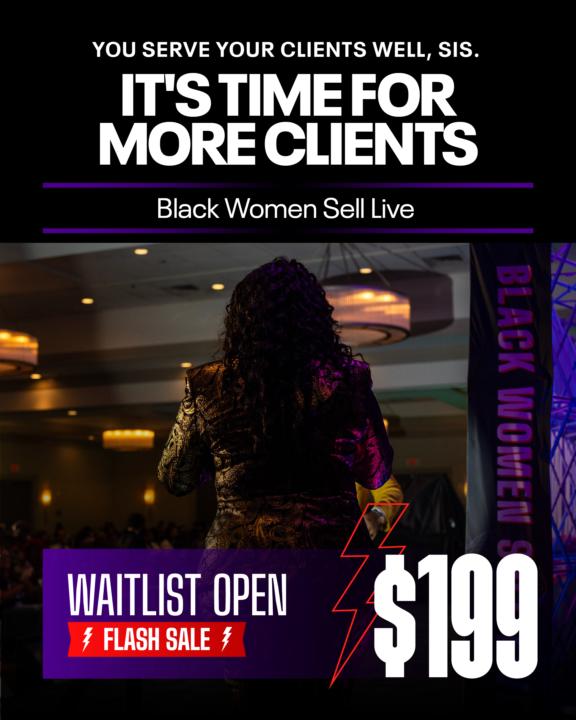
You serve your clients well, sis. And EVERYBODY knows it. 👇 But it is time for MORE clients. MORE revenue. MORE of everything you have been building toward — and TOMORROW is your door!! THE JUSTICE TICKET IS DROPPING. ONE MORE TIME!! $199. To get in MY room. YES. I said $199. 🔥 Our sponsors made this possible and I am telling you RIGHT NOW — the second these seats are gone, they are GONE FOREVER!! 📅 Friday. June 19th | ⏰ 7AM Eastern | Only 100 tickets — until Midnight ONLY Midnight hits OR the seats hit zero — whichever comes FIRST — and it is DONE. No replays. No extensions. Not ever again. EVER!! Black Women Sell Live 2026. Three days in Atlanta. September 25th, 26th, and 27th. 1,000 Black women entrepreneurs in MY room — DONE accepting the ceiling. DONE playing small. DONE serving clients without getting what they are WORTH!! You walk out with more clients. More strategy. More sales vehicles. And a plan that takes everything you have already built — and MULTIPLIES it!! The women on my waitlist get in FIRST. The women who wait find out after every single seat is already TAKEN!! TOMORROW is your moment. Do NOT miss it!! Are you walking through this door? 🎟 Get on the waitlist NOW to get 65% OFF → https://www.blackwomensellevent.com/juneteenth
3d •
If You're Serious About Growth, Get In This Room 🚨
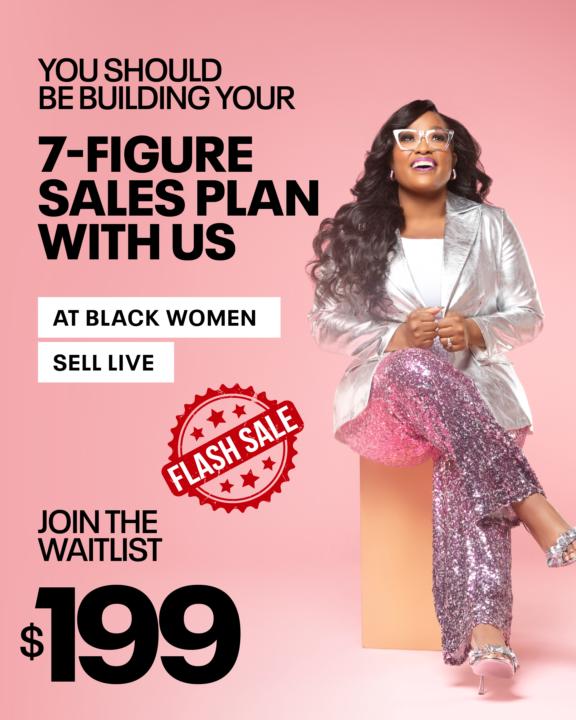
You should be building your 7-figure sales plan. And I want to build it WITH you!! 👇 Not next year. Not someday. THIS FRIDAY. And I am giving you ONE MORE CHANCE to get in MY room for just $199!! 📅 Friday. June 19th | ⏰ 7AM Eastern | Only 100 tickets — 24 hours ONLY Listen to me RIGHT NOW. The second those 24 hours are UP or those 100 seats are claimed — whichever comes FIRST — it is SHUT DOWN. FOREVER. No replays. No extensions. No "Ashley can I still get one?" THE ANSWER WILL BE NO!! 🔥 This is NOT a hardship ticket. NOT a discount. This is a sponsor-backed invitation for the Black woman entrepreneur already generating $50K to $5M a year. You already have the clients. You already have the revenue. You already have the track record. What you do NOT have yet is the room. The strategy. The sales vehicles. The relationships. The 7-figure sales plan that takes everything you have already built — and MULTIPLIES it. THAT is what we are building TOGETHER in Atlanta!! September 25th, 26th, and 27th. 1,000 Black women entrepreneurs in MY room — DONE accepting the ceiling. DONE playing small. DONE figuring it out alone!! You walk out with your sales plan, your marketing plan, and your ops brief. Not drafted. BUILT. DONE. IN YOUR HANDS!! ⏰ The clock is TICKING. Every second you wait is a second closer to SOLD OUT!! Are you claiming your seat or are you watching somebody else take it?! 🎟 Get on the waitlist NOW to get 65% OFF → https://www.blackwomensellevent.com/juneteenth
1-30 of 199

skool.com/sywtc
Learn to land 5-6 figure corporate contracts & sell more services. This is where experts learn to sell more services!
Leaderboard (30-day)
1

+86
2

+23
3
+19
4

+18
5
+16
Powered by