
Write something
Dec '25 •
Aero TT & Triathlon Positions: The Rise of the Praying Mantis and Finding the Right Aerobar Angle
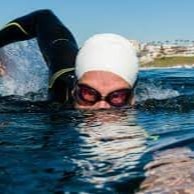
By Nick Harris Bike Fitter & Level 3 British Triathlon Coach Whether you’re racing 10-mile time trials or long-course triathlon, aero positioning is your secret weapon. Small changes can mean minutes saved — but only if they’re sustainable. In this post, we’ll cover: - Key differences in aero setups for short vs long-course racing - The rise of the praying mantis position (and whether it’s right for you) - What aerobar angle works best — 15° or 30°? - How to balance aero gains with comfort and control 🏁 Short Course vs Long Course Aero Fit Short-course (TTs, Sprint/Olympic tri): - Prioritises aggression and aerodynamics - Lower stack height, tighter hip angles, steeper trunk angles (10–15°) - Less focus on comfort — races are short, so the position can be more extreme Long-course (70.3 / Ironman): - Balances aero with comfort and energy preservation - Higher front ends, more open hip angle (~15–20°) - Focus on sustainability, digestion, and setting up for a strong run 💡 Rule of thumb: If you can’t hold your aero position for 90%+ of the ride without discomfort, you’re too aggressive. 🦗 What Is the Praying Mantis Position? It’s the newer trend where the forearms are angled steeply upwards, resembling the arms of a praying mantis. Key features: - High hands with a ~30° upward tilt - Narrow shoulder position - Often paired with a slightly more upright trunk Why it works: - Shrinks frontal area = less aerodynamic drag - Creates a smoother air flow around the helmet and shoulders - Easier to maintain neck posture for longer events - Can help with breathing efficiency and head position Backed by CFD and wind tunnel testing, it’s now used by top triathletes and WorldTour riders alike (e.g., Filippo Ganna, Magnus Ditlev, Gustav Iden). ✅ Pros and ❌ Cons of the Praying Mantis Position ✅ Pros: - Lower CdA (aero drag coefficient) - Easier to keep your head in line with your spine (reduces neck strain) - Encourages more relaxed shoulder posture - Works well with modern aero helmets and suits
0
0
Nov '25 •
Redados turbo torture class coming up soon
I'll be running a live turbo training class with the music from Redados Turbo torture and video from Train like dogs, Ride like God's soon! @Paul McCullock
0
0
Nov '25 •
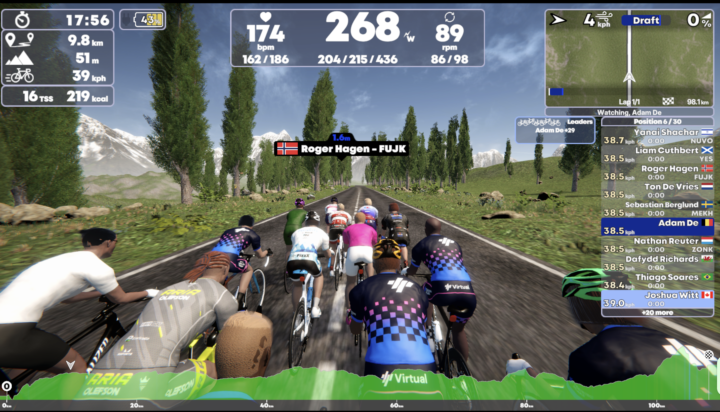
Stealth Training Peaks Virtual Turbo Training Session: Over Unders 10's
Thursday 27th November 2025 1600 GMT Join us for a Group Workout with the elastic band on A steady aerobic build with controlled surges. You’ll ride 10-minute blocks alternating between just below threshold and just above it. The goal is to smooth your power, stay relaxed through the overs, and settle quickly into the unders. Great for improving lactate tolerance and pacing control. Set to your own FTP and pace, you'll ride at yoour level in the group performing the workout to your numbers Weather: light wind and snow! https://tpvirtualhub.com/49001/signup?accessCode=840547
Nov '25 •
How to join the Stealth team on TrainingPeaks Virtual?
Hey, want to join the Stealth team on TrainingPeaks Virtual? Just follow these steps: 1. Create a TrainingPeaks Virtual account (if you haven’t already). 2. Set your username and make sure you’ve logged into TPV at least once. 3. Go to Settings → Privacy and switch on “Allow teams to find me.” 4. Send me your exact TPV username. 5. I’ll add you to the team from my side. Once that’s done, you’ll show up on the roster and can race with us.
0
0
1-4 of 4
powered by
Suggested communities
Powered by