
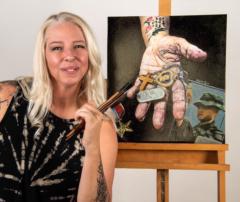
🔥
18d •
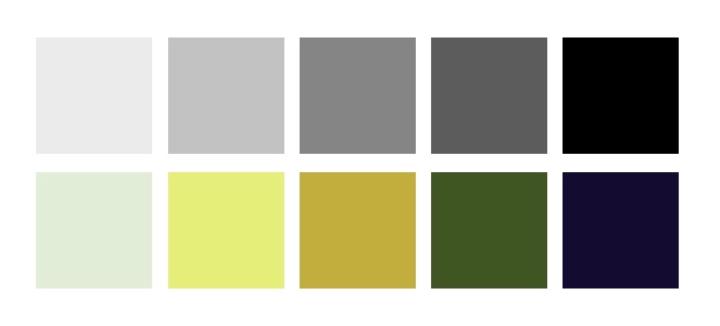
Forget the color, focus on the value!
And no, I am not talking about the value of the dollar at the grocery store. Here is the truth when painting Getting the correct VALUE is more important than getting the right color. . VALUE. Value means how light or dark something is. Color can be wrong and still work. But if the value is wrong, the painting will feel off. Notice the first line of grey boxes. They have increases in value toward 100% black. Notice the colors directly underneath. They are a darkness that is about the SAME as the grey above it. This is so important. The darkness or lightness of the color is more critical than getting the exact right color. This is text that comes straight out of my notes in Premium classes. See ya there.
🔥
Apr 27 •
Do you like saving money?
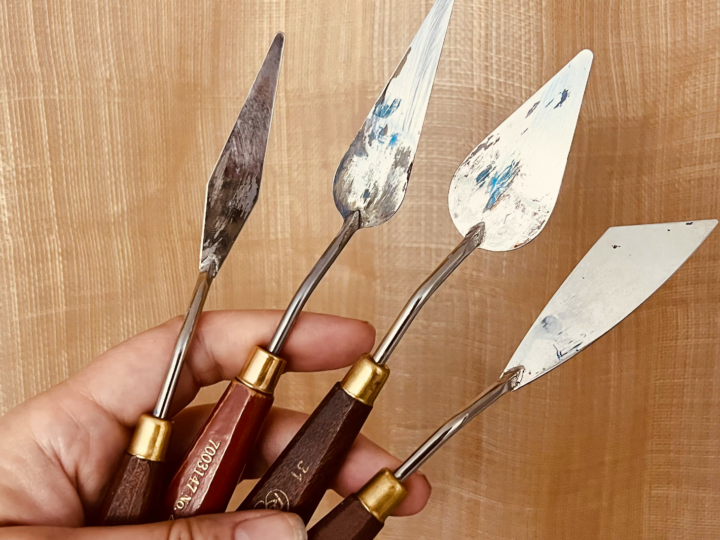
Then you'll really want to see this. If you can't make it live, the replay will be available for free. Using a palette knife will save you money, time and frustration. And using one is not as easy as you might think. I find that new students struggle with the technique of using one efficiently so let's get that out of the way before we start mixing paint TOMORROW!!! OMG, I am so excited about this week. Check out the calendar HERE Add the events to your calendar. Will you make it?

Apr 27 •
A Book That Helped Me Early On
So I was chatting with Michelle today and she asked me to post about this book, so here goes. Quite a few years ago, I read "Drawing on the Right Side of the Brain", and it was a significant benefit for me. There were times I would be able to draw really well and other times that really felt like forgetting how to do something. I didn't know if it was associated with mood or what. This book talks about the left and right brain, and people can debate the specifics about what is literally left-brain or right-brain, but that misses the point. Anyway, helping people stop drawing in symbolic mode (spatial relationship, too) and start drawing what they actually see. While this might seem like some parlor trick, the point is to help get your brain to draw what it sees. When we go to sit down or walk through a door, our mind maps out how long or wide things are so we don't walk into them or so we can sit down correctly. However, when we try to draw, what we see is rarely that same distance. If you draw a foot-long bench at an angle on paper, it might barely register as an inch. Walk around that same bench, and its width will seem smaller if you draw it accurately on paper. Yet our mind knows it's the same length. That gap between what we know and what we see is exactly what this book addresses. For me personally, this book helped me out so much because I have had a very analytical brain for the longest time, and I believe that the analytical can push the artist brain out of the way, so to speak. It's almost like I have to relax that part of the brain and get it to go to sleep. So, while I am drawing, I am not mixing in budgeting or analytical things in my head because I want my creative side to have full control at this point in time. Anyway, this post is pretty long. There is probably a lot more I could talk about here, but as long as you are trying to draw from reference or real life and you are struggling, this could be the book that unlocks something for you. I should mention this isn't just a theory book. It has actual exercises you work through. Oh, and you don't have to keep drawing upside down for the rest of your life ... Practicing it teaches your brain how to do it well enough that once you switch back you can just kind of do it, though, like anything, it might get rusty without use over time.

🔥
Apr 22 •
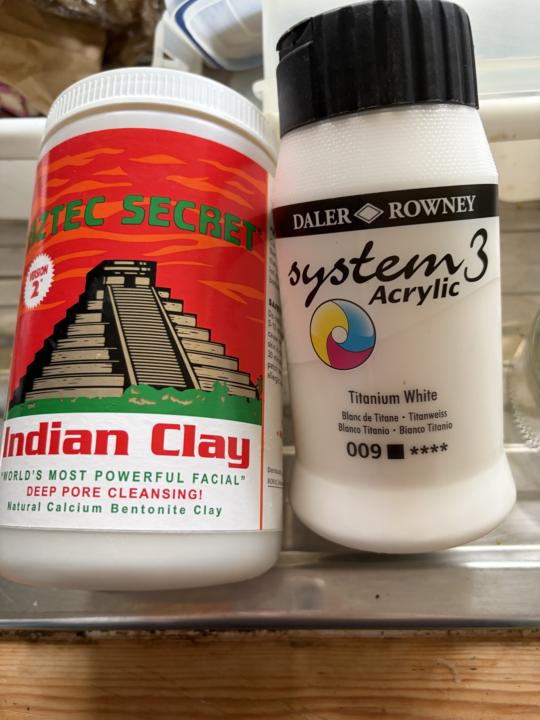
Make your own Gesso ! 🎨
Hey guys @Michelle Cyr were talking about Gesso when it came up that I make my own. So here’s my recipe In a small container or jar I put about 30 ml of a good white acrylic paint. I then add 2 teaspoons of Indian clay which is very fine but when you mix it in with the paint just do a little at a time so you get an even mix. I add around few drops of water and give it a good mix. It should have a good smooth consistency. Then I paint it on my canvas or whatever Iam painting on. I let it dry and give it a light sand with fine sandpaper, I repeat it a couple of times till it’s super smooth. 🙌🏻
🔥
Apr 12 •
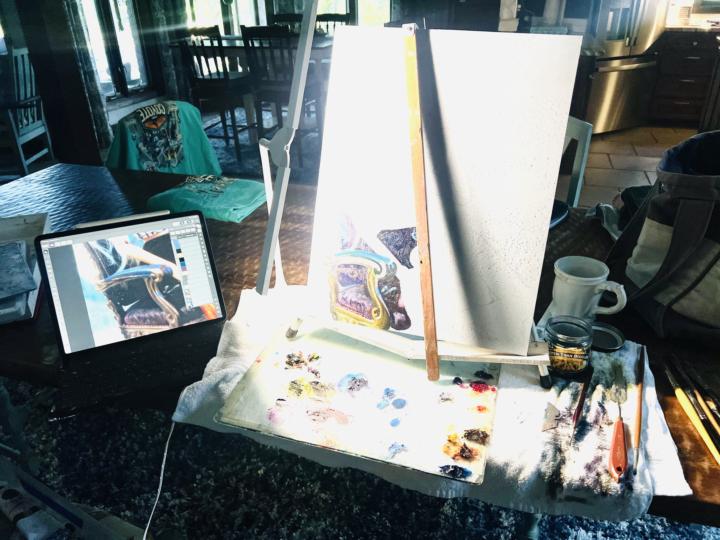
Proof you can paint at the dining room table
I’m traveling 🏍️🛻 But painting has become a necessity for me If I travel without something to paint… 🥺 I feel anxious 🥺🥺 like… REALLY anxious 🥺🥺🥺 Painting isn’t optional anymore 😎 it’s part of how I function So I adapted. Yes… I travel with wet paintings No… it’s not messy And yes… I can even do this on my motorcycle 🏍️ I’ve learned how to paint in a small space. Here’s how: 🎨 My mixing palette, paint, towel, palette knife, mineral spirits, and brushes all fit in a small plastic tote 🔦 My Ott light, mahl stick, and folding tabletop easel all fit in a tote bag 🖼️ The wet panel? I use TWO panels the same size add rubber bumpers (like cabinet bumpers, just bigger) put them face to face so nothing touches the wet paint then tape them together ✈️ Ready to travel ⏱️ Sets up in 5 minutes I have even flown this way. The only thing I have to leave home is the odorless mineral spirits. 👉 Would you ever paint while traveling… or is that a hard no? 😆 🎯
1-7 of 7
skool.com/painting-for-drawing-dropouts-5983
30 Days to your first realistic painting. Step by step instructions. No experience. Take the mystery out of oil painting.
Leaderboard (30-day)
1
🔥
+1054
2
🔥
+906
3
+734
4

🔥
+637
5
+308
Powered by