

6h •
LCI Congress October 12-16 Atlanta
Here is the link to register for LCI Congress. 28th Annual LCI Congress in Atlanta, GA Lets hear from everyone who is representing - Speaking & Teaching. I want to know who is interested in sharing a AirBNB? I found a 4 room 5bed 3 bath house across the street from the conference hotel for $1,200 for 12-15th. I understand that there may be an issue with M/F housing, I am ok with having a girls room/bathroom. Let me know if anyone is interested.
0
0

23d •
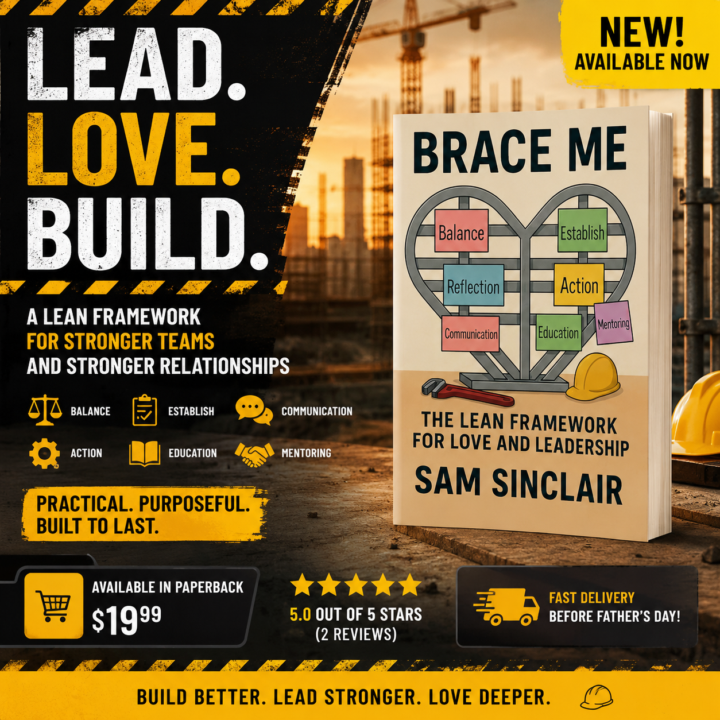
Time to write a book fellas!!!
📚 Now Available – BRACE ME: The Lean Framework for Love and Leadership For over 30 years in the construction industry, I’ve learned that success isn’t measured only by the projects we complete, the schedules we meet, or the profits we make. True success is measured by the relationships we build, the people we develop, and the legacy we leave behind. Too often, we are taught to focus on work at the expense of everything else. I’ve lived that lesson firsthand. Through years of leadership, personal struggles, victories, and growth, I discovered that the same Lean principles that help us build better projects can also help us build stronger families, healthier relationships, and better lives. BRACE ME: The Lean Framework for Love and Leadership is a practical guide centered around seven key principles: ✅ Balance✅ Reflection✅ Communication✅ Establish✅ Action✅ Education✅ Mentoring Whether you’re a leader, tradesperson, business owner, parent, spouse, or someone striving to become better every day, my hope is that this book provides tools and real-life experiences that help you strengthen what matters most. My priorities have become simple: God. Family. Work. When those are in the right order, everything else becomes easier to navigate. Thank you to everyone who has supported this journey, purchased a copy, and shared feedback. Seeing this message resonate with others has made every hour spent writing worthwhile. If this book helps even one person find better balance, become a stronger leader, or build stronger relationships, then it has accomplished its purpose. #Leadership #LeanThinking #ConstructionLeadership #PersonalDevelopment #FamilyFirst #Mentoring #ContinuousImprovement #LeanConstruction #LeadershipDevelopment #GodFamilyWork

10d •
Can You Teach What You Know?
What if the best thing you've ever done on a jobsite can't be taught? That's a question I've been wrestling with. I've spent more than 40 years in construction, and like a lot of us, I've been fortunate enough to turn around difficult jobs, mentor younger superintendents, and solve problems that didn't seem to have a solution. For a long time, I thought experience was the answer. Now I think experience is only part of it. The real question is: Can you explain why you made the decision you made? Or does it just live in your instincts? Too much of our industry depends on personality. "He's just a natural leader." "She's got great instincts." "He just knows how to run work." But what happens when they retire? If we can't explain what we're doing in a way someone else can learn, practice, and repeat, then we've passed on stories instead of standards. The next generation doesn't just need our experience. They need a framework they can stand on while they're building their own. That's what I've been trying to put into words over the last few years. Not a better personality. A better standard. I'm curious... What's one thing you've done for years that came naturally to you—but only later realized you had to learn how to teach? I'd enjoy hearing from some folks who've spent a lifetime building this industry.
10d •
Glad to Be Here
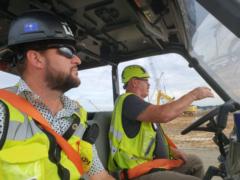
I’m glad to be here. For those who don’t know me, I’m Jody Fitzgerald. I’ve spent 40+ years in construction as a superintendent, general superintendent, and project fixer on everything from residential to commercial, healthcare, multifamily, and military work. At this stage, I’m most interested in helping pass on what took a lifetime to learn the hard way. I believe construction does not have a knowledge problem. It has a knowledge transfer problem. There are a lot of us who learned through pressure, mistakes, long days, hard lessons, and people who took the time to show us the way. Now it’s our turn to do the same. Some of you may have seen my posts around Built, Not Forced.™ — The Field Leadership Standard for Construction. That work is really built around one idea: We need to develop field leaders on purpose, not just hope they survive long enough to figure it out. I’m here to listen, learn, share what I can, and be a resource wherever it helps. Looking forward to being part of the conversation.
18d •
Old Dawg Learning with Cal Beyer
Here is a replay for those that missed this spectacular event! Thank you old Dawg @Cal Beyer !
6
0

1-30 of 89

skool.com/olddawg
Real Field Talks connects builders with builders to brainstorm on how to deal with situations common to Field Leaders in Construction. Lean = Flow
Leaderboard (30-day)
1
+12
2

+8
3

+5
4
+4
5
+3
Powered by