
Write something

2h •
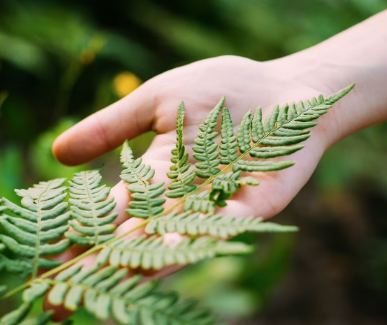
Go Hug a Fern
One of the more fascinating things I've heard Dr. Zach Bush talk about is the idea that spending time in nature doesn't just calm your mind—it may also help replenish your body's microbiome. According to Dr. Bush, forests are filled with diverse bacteria, fungi, and other microorganisms that have coexisted with humans for thousands of years. Simply walking through the woods, breathing the fresh air, touching tree bark, brushing your hand through ferns, or working in healthy soil may expose you to beneficial microbes that help support a healthy immune system and a more diverse microbiome. While scientists continue to study exactly how much these environmental microbes colonize our bodies, there is growing evidence that spending time in nature is associated with: Greater microbial diversity Better immune regulation Reduced stress Lower blood pressure Improved mental well-being Sometimes the best prescription isn't another screen, another supplement, or another appointment. Sometimes it's a quiet walk through the woods. Maybe today is a good day to go touch a fern. :)
0
0

6d •
Love/hate
What is the thing you love the most about gardening and the thing you dislike intensely. I hate it in mid summer when the grass burns off and everywhere is yellow, and I love planting trees and watching them grow to maturity.
🔥
2d •
Appreciation for Community
On this day, I am reminded that freedom is not only something we inherit from history, but something we practice in how we live, speak, care for one another, and stay rooted in truth. A free people are strongest when we remember our connection, honor the dignity of each person, and choose courage over fear. May this day bring gratitude, responsibility, and a deeper sense of unity. Thank you for being an important part of the Oasis Builders community both here and abroad. You are all greatly appreciated.
2d •
A Forgotten Gardening Treasure from 1863
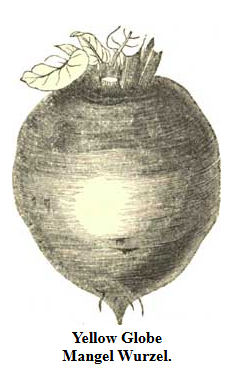
The Field and Garden Vegetables of America was published in 1863 by horticulturist Fearing Burr Jr. It contains descriptions of nearly 1,100 varieties of vegetables, along with growing instructions, seed information, culinary uses, and observations collected from American and European growers of the time. The entire book is now in the public domain and can be read online for free. What I found most interesting is that this wasn't written for commercial agriculture—it was written for everyday gardeners who wanted to become more knowledgeable and self-sufficient. Some of the topics covered include: 🌿 Detailed descriptions of heirloom vegetable varieties 🌿 Seed-saving information and how long different seeds remain viable 🌿 Growing recommendations for different climates and soils 🌿 Which varieties were considered the most productive, flavorful, or hardy 🌿 Medicinal and culinary herbs commonly grown in home gardens 🌿 Mushrooms, edible fungi, peppers, tomatoes, beans, peas, squash, onions, root crops, and much more While some recommendations have naturally changed over the last 160+ years, much of the practical gardening wisdom is still surprisingly relevant today. It also serves as a reminder that our ancestors carefully selected vegetables for flavor, storage ability, seed production, hardiness, and nutrition—not simply for shipping well across the country. If you enjoy gardening, homesteading, seed saving, or learning about heirloom varieties, this is definitely worth bookmarking. It's an incredible snapshot of what American gardens looked like in the mid-1800s. 📖 You can read the entire book for free here: https://www.gutenberg.org/cache/epub/21682/pg21682-images.html Have any of you grown heirloom varieties that have been passed down through your family? I'd love to hear what some of your favorites are!
3d •
Seed Libraries
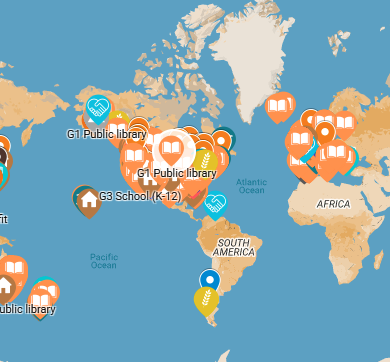
Most people think libraries are only for books... But did you know that hundreds of libraries across America also have FREE seed libraries? Just like checking out a book, you can often take home packets of vegetable, herb, flower, or native plant seeds to grow in your own garden. Many libraries simply ask that, if possible, you save a few seeds from your harvest and return them at the end of the season so someone else can grow them too. It's a wonderful example of neighbors helping neighbors. What kinds of seeds can you find? Depending on the library, you may discover: 🥕 Vegetables 🌻 Flowers 🌱 Culinary and medicinal herbs 🍅 Heirloom varieties 🦋 Native wildflowers for pollinators 🌽 Locally adapted plants that grow well in your region Some libraries even host seed-saving classes, gardening workshops, seed swaps, and demonstrations to help beginners learn how to grow their own food. Why are seed libraries becoming so popular? • They make gardening affordable. • They help preserve heirloom and locally adapted plant varieties. • They encourage self-sufficiency. • They support pollinators and biodiversity. • They bring communities together through a shared love of growing food. One of my favorite parts is that these libraries help preserve seeds that might otherwise disappear over time. As gardeners continue growing and sharing locally adapted varieties, they help maintain valuable genetic diversity for future generations. Want to find one near you? Check with your local public library or search the Seed Library Network's interactive map: Seed Library Network Map
1-30 of 152
powered by
skool.com/oasis-builders-8012
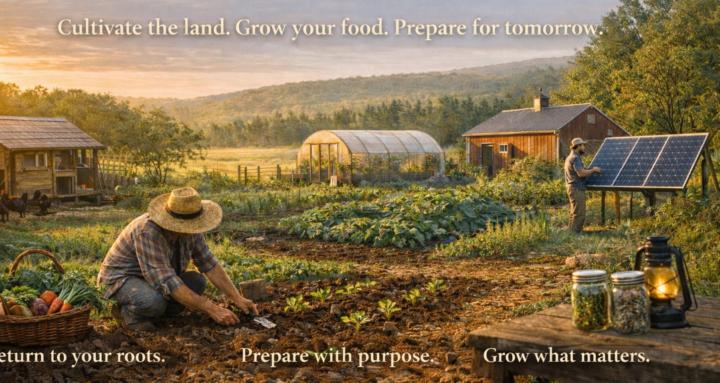
Oasis Builders helps busy families grow healthy food, herbs for medicine, and gain calm confidence for everyday readiness.
Suggested communities
Powered by