
Pinned

⭐
🔥
21h •
START HERE: Daily Check-In. Say Hi! Friday, May 1st
Happy MAY DAY!! EVERYONE—give a 👍 to this CHECK-IN and make sure you 👍 everyone’s comments! Who is here E X P A N D I N G their English knowledge today? Which lesson are you working on today? Did you/will you join a LIVE class today? Do you have a question? Put it below. Are you NEW? Go HERE NOW!! FEEDBACK for your first PIRF FRESH assignment? Go HERE NOW!! LIVE Classes TODAY? Go HERE NOW!! What are the different LIVE classes? Go HERE NOW!! The ULTIMATE Guide!! WHAT can you learn from my lessons: Watch this video NOW!! How to get a 🔥 by your name? Go HERE! Ready for our newest PIRF VIP Speaking and DDM VIP Listening lessons? You can try one week of VIP for free! Go HERE NOW!!

Pinned
⭐
🔥
3d •
SIGN UP NOW for VIP PERSONAL for MAY/JUNE
UPDATE: Only 3 THREE 3 openings available. I will open VIP PERSONAL for MAY/JUNE for FIVE MEMBERS. You will get LIVE classes with me: ☑️ DEEP DIVE: 6 Deep Dives into our current VIP lessons with me. Each class is between 3 and 4 hours. ☑️ MASTERY: 6 Mastery classes where we cover all VIP extras: LTA, EVC quiz, EVC sentences, BQ, MyPIRF and VOWEL FOUL. We study these before anyone else. Each class is 2+ hours. ☑️ ROLE PLAY: 8 LIVE sessions where we go over YOUR performance of the VIP assignments. (You only need to attend 4--we have one schedule especially for Europe/Africa/Middle East, another schedule especially for Asia/Oceania/the Americas) I will guide you directly and personally build your English skills properly. ANY questions and problems you have, I will personally take care of them. 40 hours of personalized coaching with me. COST: Option A: 2 months (May/June) with me + ten more months of either DDM VIP or PIRF VIP for $1250. Option B: 2 months (May/June) with me + ten more months of both DDM VIP and PIRF VIP for $2000. DDM VIP without me is $980/year PIRF VIP without me is $980/year TWO months WITH me will set you on the fast track to English listening and speaking Mastery. FIRST LIVE call is MAY 5. The schedule Sign up in the CLASSROOM. The price is set to $1250, if you want the $2000 option, just let Coach @Gulya Karimova or @Constance Tuballes or me @Shane Peterson know! If you have questions, ask below. Current VIP members can join for $500. We also have ALIPAY and WesternUnion options and if you are in Russia, we can help you, too. Together...Let's Master English! Coach Shane

Pinned

🔥
7d •
⚔️ Convince Us with / Nolla || Saturday, May 2nd
Join us and share your opinions and thoughts 🔴 The Topics : •Studying alone vs Studying in a group •Being your own boss vs Working for a company •Books vs Movies •Morning person vs Night person •Planning everything vs Being spontaneous •Traveling alone vs Traveling with friends •Social media vs Real-life communication •City life vs Village life


🔥
7h •
🌎 LME Friend’s Club 😎 May Day 🎦!
Huge thanks to @Evelyne Vincent @Hina Hsia @Raja Raja @Amal Ta @Melkam Mengesha @Nolla Nella @Leo Ma @Joaquin Baldomero Cruz Lucio @Lucas Tian @Pauline Wong @Mila Zinoveva @Rory Yuan @Sara Li @Siyi Yu @Alex Yu @Lee Tree @Syed Shah @Queen Marilyn @Mina Min @Fawaz Ali @Ahmed Abed @Parvin Chaichi Thanks for joining our LME Friend’s Club today! I’m so happy to have you here and practice our spoken English together. 💬✨ Let’s keep learning, improving, and growing together. See you at the next session! 🌟


🔥
Sep '25 •
Big Health Issue : Low T 📉
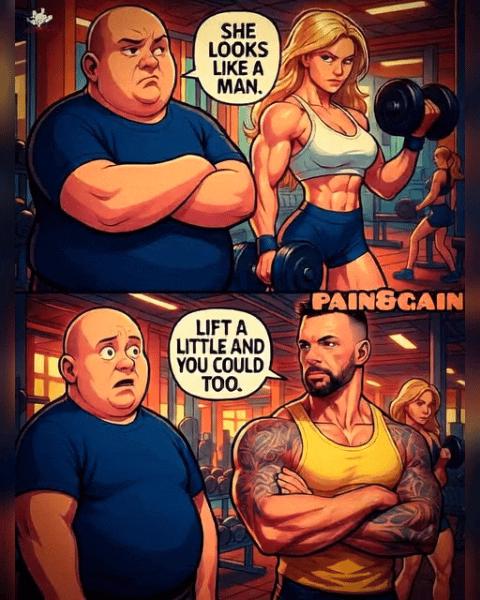
Did you know that low testosterone (Low T), also called hypogonadism, is a pretty big health issue in the U.S. nowadays? Some estimates say more than 15 million men are dealing with it. Aging, obesity, and diabetes play a role, but things like environmental toxins and lifestyle choices might also be behind the steady drop in average testosterone levels over time. What about the whole world? Here’s what the data tells us about global prevalence of low testosterone—or hypogonadism—among men: Global Estimates: A Broad Picture A review of global studies estimates that 10% to 40% of men worldwide may experience testosterone deficiency. Regional Insights United States: Biochemical low T prevalence ranges from 24% to 39% among middle-aged and older men. Europe: Estimates are generally lower, between 8% and 20%, depending on thresholds used. Asia and South America: Similar biochemical prevalence, typically 17% to 33%, but drops to 10%–12% when symptoms are required alongside lab values. Middle East (Jordan, Saudi Arabia): Rough prevalence ranges from 8% to 24%, though data is limited. Africa: Data is scarce and complicated by comorbid conditions like diabetes. Here’s how to fight back: 🏃♂️💪 Lifestyle changes – Exercise (especially STRENGTH TRAINING), get quality sleep, manage stress, and lose excess weight. 🥩🥦 Diet tweaks – Eat enough protein, healthy fats, and vitamins like D, zinc, and magnesium to support your hormones. 🚫 Avoid hormone disruptors – Limit alcohol, smoking, and exposure to chemicals like BPA and phthalates. 💉 Testosterone Replacement Therapy (TRT) – For very low levels, doctors may prescribe gels, patches, injections, or pellets.
1-30 of 9,464

skool.com/lme
Adults mastering American English speaking & listening skills. No cute lessons. Serious. Over 100 LIVE 1-1 Sessions monthly! We do have free lessons✔️
Leaderboard (30-day)
1

🔥
+4177
2

🔥
+4008
3

🔥
+3697
4

🔥
+3428
5

🔥
+3079
Powered by