
Write something

Sep 9 •
Greatest Extra Point of All-Time?
That sounds like an oxymoron, but this kick by Adam Vinatieri in a snowstorm in Buffalo (back on December 10, 2017) may well qualify. Howling winds, snow, a foot of snow on the field... this is how you know that your linemen REALLY have your back, too!! 😂
Aug 24 •
College punting change...
Ineligible numbers, formation shifts and punt protection and coverage all under "review" this Fall. It seems like it's always with the special teams units where innovative coaches look to get a little advantage, only to be slapped down as the NCAA tries to mess with the rules yet again. WATCH THE REEL >
5
0

Jun 22 •
TWO "4-Point" Field Goals in one game!
Have you seen this? Along with Issac Punts, I think this kid (Tanner Brown), has just followed in the footsteps of Brandon Aubrey to go from the UFL to the NFL. Still, there are only 32 highly paid kicking jobs in the world — he'll have to compete, but this sure is a great way to get ALL 32 TEAMS to take notice. Wow. _ _ _ _ Guess what? By the time I wrote this, he's already been picked up by the SAINTS. 😵💫
Jun 24 •
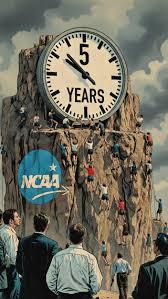
NCAA approves the eligibility clock
The NCAA D1 Cabinet unanimously voted to approve the age-based eligibility model. It's a landmark moment for the NCAA, marking a shift away from the model that allowed athletes four seasons of competition over five years with no age restrictions. The age-based model calls for an athlete's eligibility clock upon initial full-time enrollment in college or at the beginning of the academic year following their 19th birthday, whichever occurs earlier. The Cabinet's decision is not final until its meeting concludes on Wednesday. The age-based eligibility implementation will begin this summer. Recruits starting in 2027 are age-based only.
Jun 11 •
K-ZONE: APEX DISTANCE
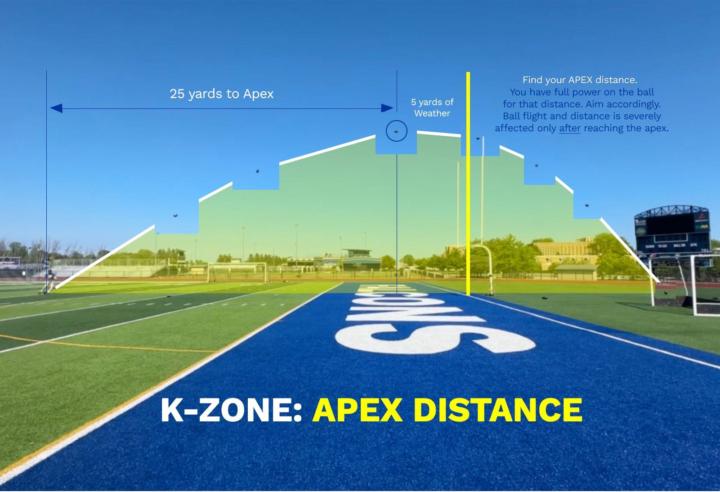
In between camps, I get some 1-on-1 time. This was with Cason Brennan, a kicker at Concordia University of Wisconsin. Cason kicks a nice ball, but has a tendency to overstride that produces both a pushed and pulled ball. By keeping him in his K-ZONE, he gains confidence to make the kicks his team absolutely needs him to make. (35 yards and in). When you aren't straining to get the ball there, your natural style can take over allowing for better more consistent contact. A great bit of knowledge is to film your kick from the goalline. How far from your kick to the APEX of it's flight? Know this number. Once you do, you can use it to your success. How? The K-ZONE is individual to each kicker. Where (in a game) would you feel 3-4 confident to make the kick? Pressure, weather, wind, crowd, game score... 3-for-4? For real. Not "hope", "know". It is typically a lot closer than each kicker thinks it is. Get your ego out of it and start training your brain to WIN GAMES for your TEAM. Knowing your APEX DISTANCE means that your ball won't move much at all from where you aim TO THAT DISTANCE. You can smoothly strike the ball and know that it's within the uprights. Distance becomes a NON-FACTOR. Only AFTER your kick reaches it's APEX, does it rapidly lose power, height and distance. This is where kicks that "looked and felt" good at contact become misses because you didn't play for the conditions on your kicked ball AFTER APEX. Do you get it? Not sure.... inquire further, right here. 🤔
1-30 of 35
skool.com/kickerscamp
Kickers & punters, learn HOW to kick at the next level — a community for high school and college players, parents and coaches!
Leaderboard (30-day)
1
+18
2
+5
3
+3
Powered by