
Write something
Pinned

⭐
2d •
would you want to join a 21 day Love SHIFT Challenge?
I'm thinking of running a brand new 21-day love shift challenge that is an updated version of my Magnetic Love Challenge, which is the most powerful 21-day challenge I've ever run the original created testimonials from many people who either attracted love, went deeper in their relationships, or created more self-love inside of themselves than any other thing I've ever done In this challenge, I will reveal the shift method and how you can apply that to this specific area of your life This 21-day challenge will include live workshops, breathwork, and my new technology called Aaron AI that can personally coach you specifically through your patterns in a way, unlike anything you've probably experienced before, unless you've joined my more recent 21-day Raising Vibration Challenge! This challenge will be for people that want to create self-love inside of themselves, remove relationship blocks and patterns that are blocking intimacy and depth, and/or people that are single and want to remove the blocks to attracting love lmk if you'd be excited for this! comment "I'm IN!" if you want this! I'm thinking in the next couple weeks of doing it!
Poll
187 members have voted

Pinned
⭐
8d •
with everything going on in the world, what are the themes you are experiencing?
what are the themes you or the people around you are experiencing right now? how has your energy been shifting over the last year? with AI, the global energy etc? and what do you most desire in your life right now? what you are your biggest challenges? I'm on a flight to LA right now to go on a podcast this week and I'm curious and will touch on some of what I see in the content!

Pinned
⭐
Jan '24 •
Welcome into High Vibe Tribe!
we are the High Vibe Tribe dedicated to elevating our vibration and expanding our consciousness. We stand for healing and going into our inner work to transform from the inside out. We live by the values of courage, vulnerability, and presence and this community is focused on helping us all to grow into our most authentic selves. Freedom is the intention and as we meditate, heal and step into our power... we let go of the old and wire in a new way of being. We understand that our outer reality is a refection of our inner reality and rather than blame the outside or try to fix it, we look at ourselves and let go of parts of ourselves attached to the beliefs, patterns and past "familiar" energies keeping us locked in the past. When you go through a spiritual awakening many feel like the lone wolves in their family. This community is a way to connect with other people like you… dedicated to healing the past, spiritual growth, and creating their dream life. This is not about surface level change or thinking better thoughts… it’s about doing the inner work, looking at subconscious parts most people avoid (the shadow) and creating inside out transformation. There are some Rules for this community to keep it a safe space… 1. Absolutely no selling or promoting other groups/events. This includes directing messaging other members. Members who break this rule will be banned from the group. 2. Posts should either add value and be well thought out. Lets create a high vibe, supportive community section 3. No posting “who else lives in New York?” Etc these will be deleted as if everyone posted them the group will be flooded with it. if you want to learn how to see who lives in your city I share in the video below 4. Be supportive and accepting of other people. Like posts, support other people and encourage them.

4h •
I Call Back My Power! 🔥
Activating my Love energy body! What you seek is seeking you. Have a Fantastic week! 💚 https://m.youtube.com/watch?v=912YBUG5U0Y&list=RD912YBUG5U0Y&start_radio=1&pp=oAcB0gcJCUwLAYcqIYzv&ra=m

2h •
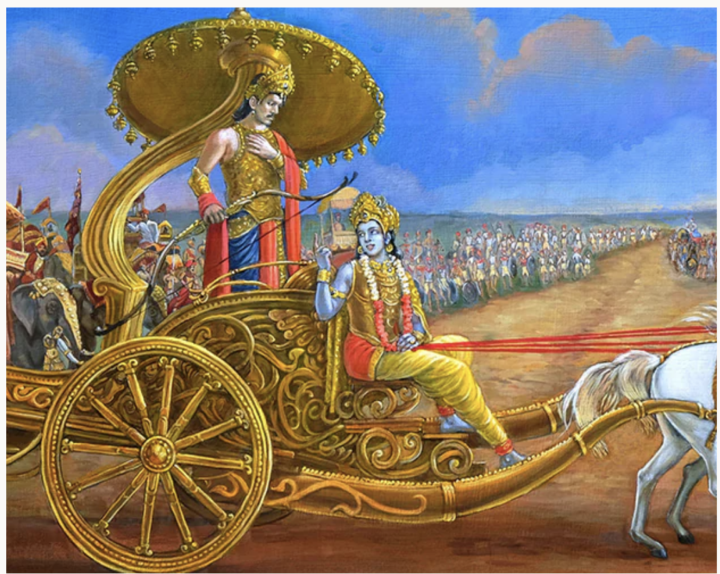
Vedic Wisdom: Bhagavad gita chapter 2, verse 3, 4, 5, 6, 7, 8. part 2
In contemporary society, there is much debate as to whether God exists or not. First, it is necessary to define what we mean by ‘God’ before His existence can be determined or dismissed. Accordingly, seers of the truth in ancient India have concluded that if there is a God, then God must necessarily be the owner and proprietor of everything; He must be all-powerful, the most famous, the most beautiful, the possessor of all knowledge, and at the same time, detached or renounced. After careful analysis, those seers of truth concluded that only Śrī Kṛṣṇa could be and is the ultimate fountainhead of Reality, the Absolute Truth. These findings have been corroborated by many sages throughout the ages (from before 10,000 BCE) and are dealt with extensively in the Vedic literature, such as the Vedas, Upaniṣads, Purāṇas, Rāmāyaṇa, Mahābhārata, Vedānta-sūtra, Śrīmad Bhāgavatam, and Brahma-saṁhitā, etc.
1
0
1-30 of 36,890

skool.com/highvibetribe
a community for those dedicated to raising their vibration, healing, letting go of limitations and creating freedom in all areas of life
Leaderboard (30-day)
1
🔥
+3132
2
+1209
3

+705
4

+558
5

+534
Powered by