
8h •
🫣 The Old You Will Try to Call You Back...
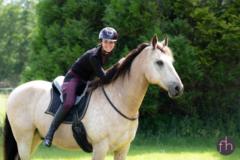
I see this across the board and consistently for some 20 years now where every time people start getting better or getting good their with horses, something interesting happens. The old habits try to creep back in like for example rushing again, doing too much, getting frustrated quicker than they meant, avoiding the thing they know they should work on, listening to the wrong voices and second guessing themselves the moment things feel unfamiliar. I believe this is because growth in horsemanship isn’t just about teaching the horse, it’s about changing us and what we do and there is no denying that feels uncomfortable. Especially when we start moving away from what’s familiar and into something quieter and clearer with work that asks us to slow down, become more aware, more disciplined and more intentional. That old version will try to pull you back. For some reason it felt more comfortable to react instead of respond, skip the basics and whether conscious or not search for the quicker fixes instead of the understanding. Ignore that call. Keep going. Because on the other side of that discomfort is a horse that understands you better and a version of yourself that understands horses better too. We ask the horses to step out of their comfort zone day in, and day out, so the least we can do is match that with a better outcome in mind. ❓What’s one thing you’re doing differently now that the old version of you wouldn’t have? 🐴✨🫶

2d •
☮️ I Trust My Horse More Than Most People...
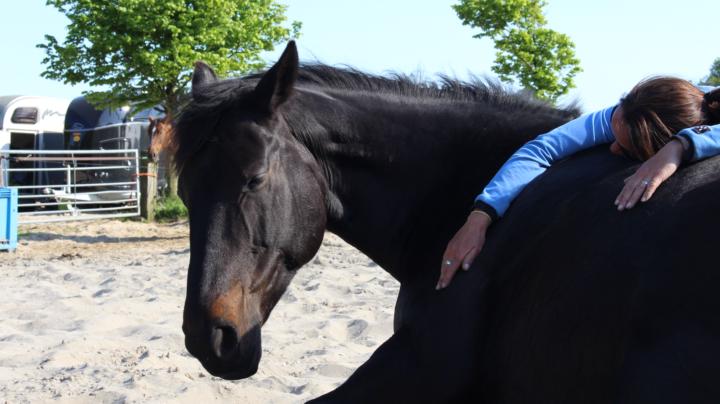
✨ Don’t get me wrong, I have good people in my corner and right now thankfully the right people - but at the end of the day, it’s my horses I trust most. They tell me immediately when something is off, when my energy isn’t good enough for them, and they also tell me when everything feels just right. There’s no pretending with horses, no fake intentions, no hidden agenda, they are honest in a way that can be both humbling and healing. One of the greatest lessons they ever taught me was to leave them each day in a place where you can pick up again tomorrow with trust still intact. What a magical thing that is, imagine how different the world would look if more people treated each other the same way. I think, in the end, it all boils down to one simple word: Honesty. ❓What is the biggest lesson your horse has taught you either recently or in the past? 🐴✨🫶

11d •
🤔 When Not Knowing Actually Helps...
✨ There’s something quite powerful about being new to horses by: Not knowing what could go wrong. Not anticipating every possible spook. Not carrying a list of “this might be a problem.” Because in those moments people are often just present, calm, unconcerned and neutral and the horse feels that. So they stay softer and they don’t get pulled into something that might never have happened in the first place. Whereas with more experience people start to see ahead, predict, prepare and anticipate which sounds like a good thing and often it is, but sometimes they can bring the worry before it exists. This is done by a slight brace, change in focus and an intention of “this might go wrong” and of course the horse feels that too. And just like that…something small becomes something VERY real. So this isn’t about staying naive, it’s about recognizing the value in that beginner energy and the quiet, neutral, “nothing to see here” feeling. And learning, even as we become more experienced, to carry that same calm without the unnecessary anticipation. This is why we learn to ground ourselves and learn to breathe in any situation. Remember, horses don’t just respond to what happens, they respond to what we feel might happen and that’s a big difference. ➡️ So just something to notice… Are you staying present with what is…or getting ahead of yourself with what might be? If you’re getting ahead, do you have the tools and communication in place to guide your horse through it? 🐴✨🫶

11d •
📑 When Everything Is Finally ‘Perfect’ I’ll Start...
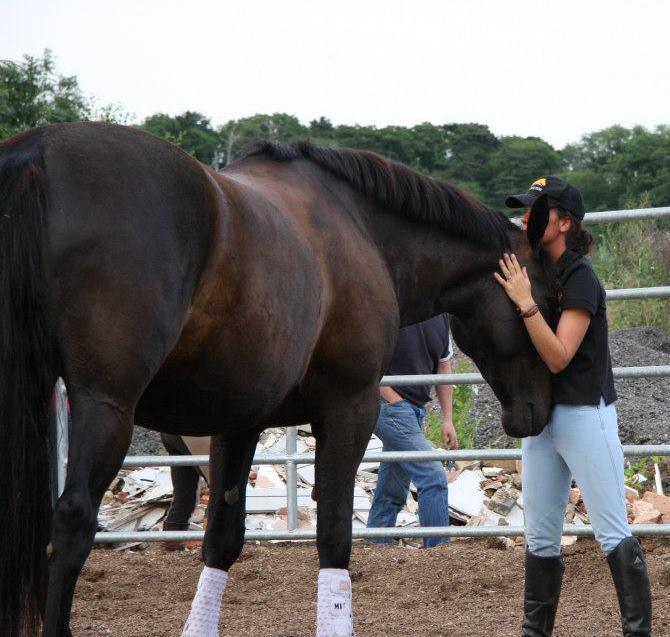
✨ It’s funny how often I hear it and not always said out loud, but it’s there. I’ll start properly when things settle… When I’ve got my new horse… When I feel better… When the weather improves… When I’ve got more time… And it all sounds completely reasonable until you realize…there’s always something. Life doesn’t suddenly line up perfectly one day and say “Right, now is your moment” and this is because it always moves and it always gets messy again. And here’s the thing - getting good with horses doesn’t start when everything is ideal, it starts when you decide to begin within the reality you’re in. The slightly rushed days, the imperfect sessions, the “I’m not 100% but I’ll do something small anyway” moments. Because the people who are getting somewhere? They’re not waiting for perfect conditions, they’re learning how to create and progress despite the conditions. And that’s exactly what your horse needs from you too. Premium is not about being ready, it’s about becoming ready through feeding your brain the good stuff, eventually doing, understanding, and building step by step. @Floraine Prinsloo recently said: ''I just subscribed to the Premium package and all I can say is “WOW!!!!” I wish I had done this earlier - it clears up so much confusion!!!'' 👉 So just a thought… What if the moment you’ve been waiting for…is actually right now? 🐴✨🫶
5
0
1-30 of 47
skool.com/get-good-with-horses-courses
Get good with horses through understanding, feel, and honest practice — a hands-on horsemanship space for becoming your horse’s hero.
🐴✨🫶
Leaderboard (30-day)
1

+235
2
+175
3
+135
4
+118
5

+71
Powered by