
Write something
Pinned

1d •
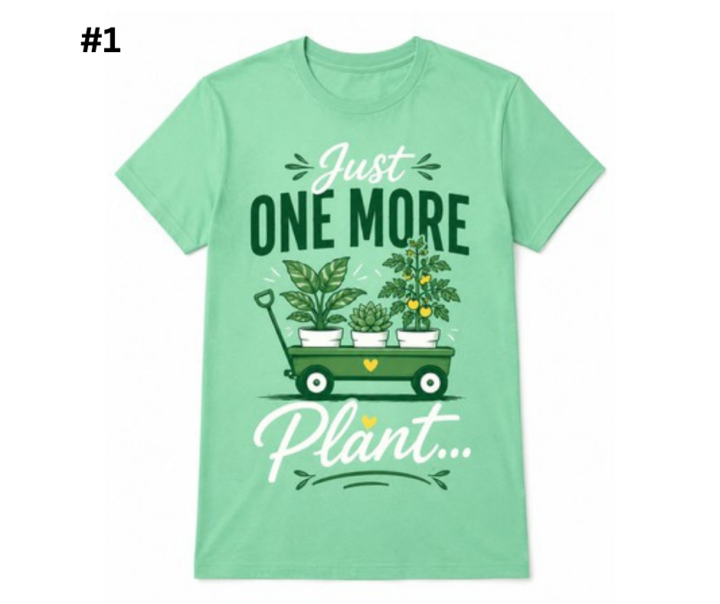
YEAH! It's Time To Vote On July's T-shirt Design!
We have just a few days to get the vote in on your favorite design for our "Just One More Plant" themed T-shirt. These one of a kind Tees are designed by our gardeners for gardeners! So get your vote in on your fav ASAP!
Poll
16 members have voted
Pinned
1d •
🪰 July Garden Pest Series – Day 5 Meet the Whitefly: The Tiny Pest That Takes Flight When You Water
You walk out to water your tomatoes. As soon as you brush against the leaves, a tiny cloud of white insects suddenly takes off into the air. If you've ever seen what looks like a miniature snowstorm coming from your plants in the middle of July, you've probably met whiteflies. These tiny sap-sucking pests may be small, but when their numbers grow, they can weaken plants and make a healthy container garden struggle. 𝐖𝐡𝐚𝐭 𝐀𝐫𝐞 𝐖𝐡𝐢𝐭𝐞𝐟𝐥𝐢𝐞𝐬? Whiteflies are tiny, winged insects that are closely related to aphids. Adults are only about 1/16 inch long, with powdery white wings that give them their name. They spend most of their lives on the undersides of leaves, feeding by piercing the plant and sucking out its juices. When disturbed, they take flight all at once—often making them much easier to notice than to catch. 𝐖𝐡𝐚𝐭 𝐃𝐨 𝐓𝐡𝐞𝐲 𝐋𝐢𝐤𝐞 𝐭𝐨 𝐄𝐚𝐭? Whiteflies enjoy many common garden plants, including: 🍅 Tomatoes 🌶️ Peppers 🍆 Eggplants 🥒 Cucumbers 🌿 Basil and other herbs 🌺 Hibiscus 🌸 Geraniums 🪴 Many houseplants that spend the summer outdoors Warm weather and sheltered patios create ideal conditions for them to thrive. 𝐇𝐨𝐰 𝐭𝐨 𝐒𝐩𝐨𝐭 𝐓𝐡𝐞𝐦 Look for: ✔ Tiny white insects flying up when you touch the plant ✔ Clusters of whiteflies on the undersides of leaves ✔ Sticky leaves (honeydew) ✔ Yellowing or pale leaves ✔ Black sooty mold growing on the sticky residue Like aphids, whiteflies leave behind honeydew that can attract ants and lead to mold growth. 𝐖𝐡𝐲 𝐓𝐡𝐞𝐲'𝐫𝐞 𝐚 𝐏𝐫𝐨𝐛𝐥𝐞𝐦 Whiteflies feed continuously on plant sap. Large populations can: • Weaken plants • Slow new growth • Cause leaves to yellow • Reduce flowering and fruit production • Spread certain plant diseases Because they reproduce quickly, a small infestation can become a major problem in just a few weeks. 𝐇𝐨𝐰 𝐭𝐨 𝐆𝐞𝐭 𝐑𝐢𝐝 𝐨𝐟 𝐓𝐡𝐞𝐦 Early action makes all the difference. ✔ Gently spray the undersides of leaves with a strong stream of water. ✔ Remove heavily infested leaves if practical. ✔ Use yellow sticky traps to help monitor adult populations.
Pinned
Mar '25 •
OUR VISION 🚀
[IMPORTANT READ] Wow! A huge thank you to each of you who joined The Potted Garden Society. This isn’t just a gardening group — it’s our green corner of the internet. Together, our mission is simple: 👉 Build a vibrant community of 10,000+ passionate plant lovers — from curious beginners to backyard legends — who are here to share, learn, and grow 🌼 Think of Skool as your gardening clubhouse. A space where tips bloom, ideas grow roots, and plants (and people!) thrive together. Here’s what we’ll dig into as a group: 🌱 Seasonal planting tips, tricks & troubleshooting 🌼 Celebrating plant wins (with proud pics!) 🐛 Solving pest & soil challenges 🍅 Learning how to grow food at home 🌿 Swapping advice on tools, composting & containers Our FIRST main focus as a community: 🔥 Help each other grow more confidently each season 💬 Make daily conversations about real plant wins & woes 🌍 Share eco-friendly ways to garden & give back to the earth A Few Quick Things: 1️⃣ This space is for plant newbies and seasoned growers 🌻 2️⃣ Say hello below 👋 Tell us what you grow, your zone or location, and a pic of your current favorite plant! Let’s grow something beautiful — together. Let’s grow The Potted Garden Society! 💚 – Donna

11h •
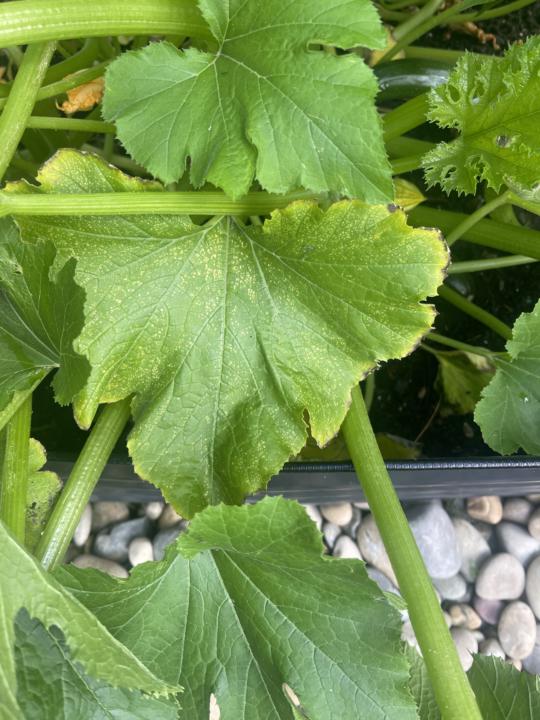
Zucchini & basil -insects?
Hi all- this is my first time growing zucchini. I have them in a large container. This past week I noticed the yellowing leaves & one or 2 have a white spots. I don’t see any insects or flys. What should I do ? There are a few zucchini almost ready to pick and I’d like to keep this plant going through the summer(lots of flowers still). I added the basil plant - next container over. The leaves are getting holes in the middle of the leaves - same thing as I cannot see anything eating them. I will take any advice!! Thank you in advance.


1-30 of 736
skool.com/gardening
🌱 Unlock your green thumb in the most supportive container gardening group online — exclusive tips, plant hacks, and growing wins await!
Leaderboard (30-day)
1

+128
2

+67
3

+48
4

+41
5

+28
Powered by