Activity
Mon
Wed
Fri
Sun
Oct
Nov
Dec
Jan
Feb
Mar
Apr
May
Jun
Jul
Aug
Sep
What is this?
Less
More
Read SkoolMagazine Here
401 members • Free
Journey on Nature's Path
504 members • Free
Oasis Builders
157 members • Free
Living Soil Community
1.3k members • Free
The Potted Garden Society
3.4k members • Free
120 contributions to The Potted Garden Society

Aug 3 •
Fall Peas
Has anyone here planted a fall crop of peas. I want to try it this year. How do you time the planting based on the expected frost date and soil temperature to get a good crop?

4 likes • 18d
I plant sugar snap peas for salads and stir fry. Soak seeds in water overnight for better germination. Peas are cold tolerant and forgiving. Here in zone 9b I plant late Aug. /early September.

Jul 12 •
🐞 July Garden Pest Series – Day 1
One day your tomatoes look perfectly healthy. The next morning? You notice clusters of tiny green bugs covering the new growth. Welcome to the world of aphids. Don't panic—aphids are one of the most common garden pests, and the good news is they're also one of the easiest to control if you catch them early. 𝐖𝐡𝐚𝐭 𝐀𝐫𝐞 𝐀𝐩𝐡𝐢𝐝𝐬? Aphids are tiny, soft-bodied insects about the size of a pinhead. They can be: 🟢 Green ⚫ Black 🟡 Yellow 🔴 Red ⚪ White They feed by piercing plant tissue and sucking out the sap. Because they're so small, many gardeners don't notice them until the population explodes. 𝐖𝐡𝐚𝐭 𝐃𝐨 𝐓𝐡𝐞𝐲 𝐋𝐢𝐤𝐞 𝐭𝐨 𝐄𝐚𝐭? Aphids aren't very picky. They commonly attack: 🍅 Tomatoes 🌶️ Peppers 🥒 Cucumbers 🥬 Lettuce 🌿 Herbs 🌹 Roses 🌼 Annual flowers 🥦 Brassicas like kale and broccoli Young, tender growth is their favorite buffet. 𝐇𝐨𝐰 𝐭𝐨 𝐒𝐩𝐨𝐭 𝐓𝐡𝐞𝐦 Look closely at: • New leaves • Growing tips • Flower buds • The undersides of leaves Signs include: ✔ Clusters of tiny insects ✔ Curled or distorted leaves ✔ Sticky leaves (called honeydew) ✔ Black sooty mold growing on that sticky residue ✔ Lots of ants climbing your plants (ants actually "farm" aphids because they love the sugary honeydew.) 𝐖𝐡𝐲 𝐓𝐡𝐞𝐲'𝐫𝐞 𝐚 𝐏𝐫𝐨𝐛𝐥𝐞𝐦 A few aphids usually aren't a disaster. Hundreds of them can: • Weaken plants • Slow growth • Distort new leaves • Spread plant diseases • Attract more pests The scary part? Aphids reproduce incredibly fast. One female can produce dozens of babies without even needing to mate. 𝐇𝐨𝐰 𝐭𝐨 𝐆𝐞𝐭 𝐑𝐢𝐝 𝐨𝐟 𝐓𝐡𝐞𝐦 Fortunately, aphids are one of the easiest pests to manage. ✔ Blast them off with a strong spray of water. ✔ Wipe heavily infested stems by hand. ✔ Spray insecticidal soap. ✔ Neem oil can also be effective when used according to the label. ✔ Encourage beneficial insects like ladybugs and lacewings—they consider aphids an all-you-can-eat buffet. If you're growing in containers, check your plants every few days. Catching aphids early usually prevents a much bigger problem later.
4 likes • Jul 12
Yes on the broccoli. Water blast helps. I also picked an infested leaf and gave to the chickens. They loved it!!

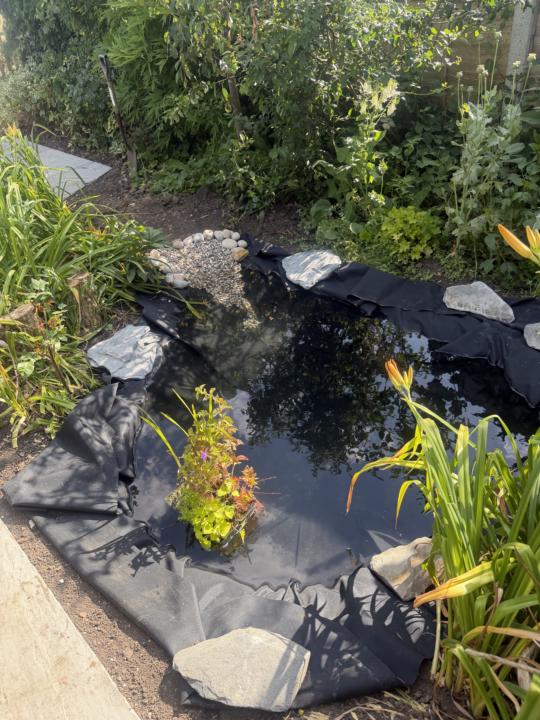
5 likes • Jun 29
That looks great Sally!! On my to do list.

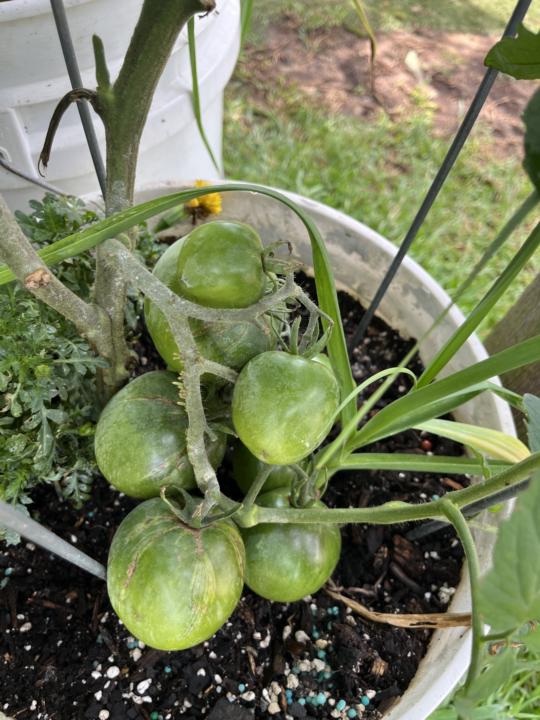
3 likes • Jun 28
First tomatoes. Made it by the 4th of July.

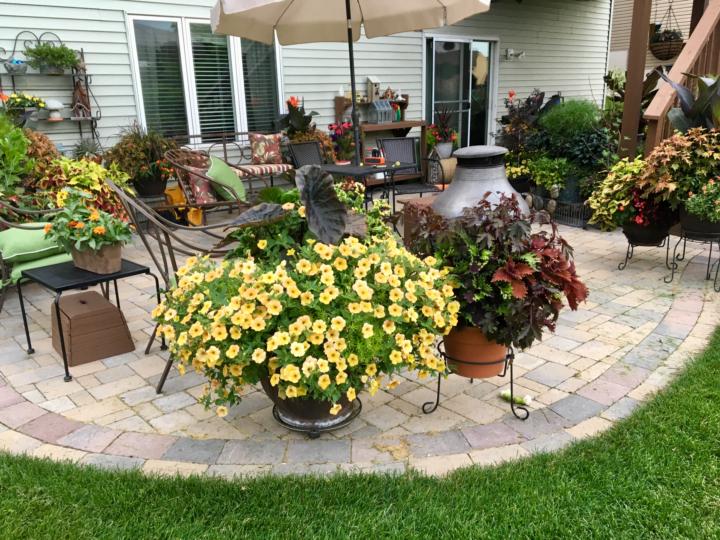
2 likes • Jun 25
Really nice Sue !!
1-10 of 120

@larry-baracco-4231
Retired senior citizen. Love gardening & music. Live in Napa, CA zone 9
Active 13h ago
Joined Dec 16, 2025
Powered by