
Write something
Pinned

⭐
🔥
2h •
🌾 Quick Update on the Poppy Seed Loaf Recipe
🌾 Small but important update on the poppy seed loaf in the Recipe Pantry. The original version called for T55 French wheat flour, and I'll be straight with you, that was a miss on my part. Most of us don't have T55 sitting on the shelf, and we shouldn't have to chase down specialty flour just to bake a poppy seed loaf at home. So I pulled it back and rewrote it. ✅ What Changed Both versions, yeasted and sourdough, now call for bread flour as the primary flour. If you've got AP on hand, that works too. If you happen to have T55, use it. The recipe works with any of the three. But the default is now whatever's already in your pantry. 🍞 Yeasted Version https://skoo.ly/yeasted-poppy-seed 🥖 Sourdough Version https://skoo.ly/sourdough-poppy-seed 📝 Quick Note on Flour Swaps 🔹 Bread flour gives you slightly more structure and a bit more chew. That's what I'd reach for first. 🔹 All-purpose flour gives you a softer, more tender crumb, which honestly suits a poppy seed loaf just as well. If you use AP, drop your water by about 5 to 10 grams because AP absorbs a touch less. 🔹 T55, if you have it, sits right in the middle around 11% protein. Use it the same way you'd use AP. That's it. No other changes to the recipe. Same hydration, same timing, same method. 👋 Your Turn If you've baked the old version, tell me how it went. If you're baking it this week, post your loaf in the thread. I want to see them. Perfection is not required. Progress is. Henry ⭐🔥
Pinned
⭐
🔥
2d •
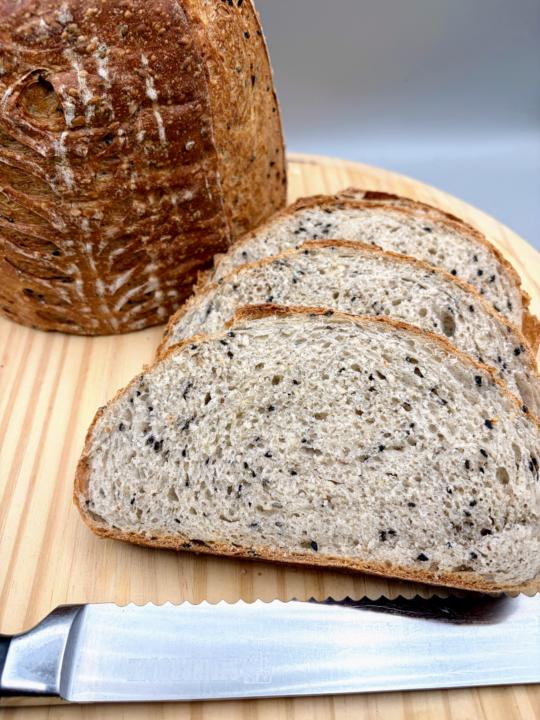
🥖 Saturday Bake: Poppy Seed Loaf, Two Ways 🌾
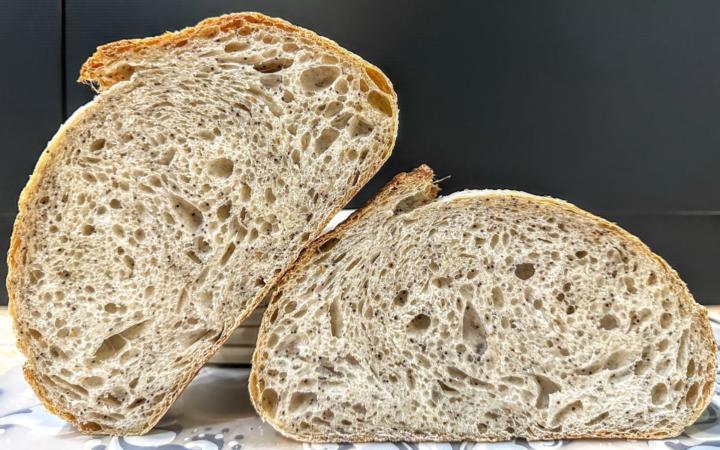
We’re staying on the road we’ve been building together. Baguettes. Pretzel bread. The Foolproof Sourdough Loaf. And this Saturday, we’re going somewhere beautiful. ✨ Poppy seed bread. ✨ Two versions. ✨ One bake-along. 📌 Why two versions? Some of you are deep into sourdough and ready to push hydration. Some of you are still building your starter, or just want to bake bread this weekend without a multi-day commitment. This Saturday, both of you get to bake the same loaf alongside everyone else. 🥖 The Sourdough Version T55 French flour and a touch of wholemeal at 80% hydration. The poppy seeds get folded in during the first coil, which laminates them through the crumb instead of mixing them away. The result is what you see in the photo: ✨ Open ✨ Airy ✨ Flecked with seed ✨ That nutty crunch you only get when the seeds keep their integrity This one teaches you: 🌾 How to handle higher hydration 🌾 How to time bulk fermentation in a warmer kitchen 🌾 Why we use 3.5 sets of coils instead of 4 (Hint: 80% hydration with wholemeal doesn’t want a fourth set. It tightens the crumb.) 📖 Full sourdough recipe in the Recipe Pantry: https://pantry.bakinggreatbread.com/recipes/poppy-seed-sourdough-loaf 🍞 The Yeasted Version Same flavor. Same beautiful crumb. Simpler timeline. ✅ Same-day bake ✅ No starter required We’ll use the same poppy seed lamination technique with a commercial yeast dough, so you still get that gorgeous seeded crumb without the multi-day fermentation. If you’ve been wanting to bake along but felt like sourdough was a barrier, this is your week. 📌 I’ll have the yeasted version uploaded to the Recipe Pantry by end of day today. Watch for the post. 🛒 What you need to know now: 🌾 Pick up poppy seeds this weekMost grocery stores carry them in the spice aisle. 🌾 If you can find T55 flour, grab it.If not, a strong all-purpose around 11–12% protein works beautifully.(King Arthur AP is the closest match.)
Pinned
⭐
🔥
1d •
The Art of Handling High-Hydration Dough 💧🍞
Every week, someone in here posts a photo of their dough and asks the same question: “Is this right? It seems really wet.” The answer is almost always yes. The fear is universal. And the instinct to fix it by adding flour is what kills the bake. 🥖 This video is for everyone who learned to bake on sandwich bread and dinner rolls, then hit a wall when they tried ciabatta, focaccia, or rustic sourdough. The dough was never wrong. The expectation was. In this video, I walk through: 💧 The hydration spectrum and why the rules change at 75% and up 🔥 Why higher hydration is actually more forgiving on bake day, not less 🙌 The “wet hands, not floured hands” rule 🌀 Coil folds vs. stretch and folds and why it matters for your crumb 🛠️ The three tools that make wet dough manageable This is the foundation for everything we’re baking Saturday and beyond. 🎥 Watch it here:[drop YouTube link] Then meet me back here. Saturday, we’re baking a poppy seed sourdough at 80% hydration. Two paths available: sourdough or yeasted. Pick the one that fits your week. 👇 What’s the highest hydration you’ve taken on so far? Drop it in the comments. Perfection is not required. Progress is. Henry ⭐🔥
⭐
🔥
24m •
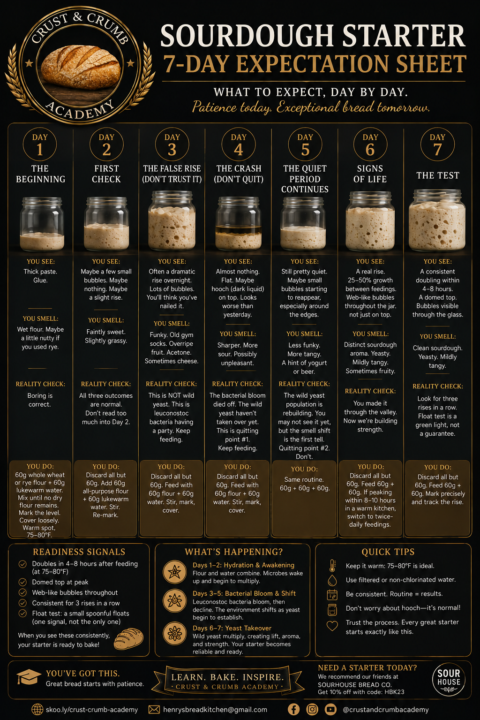
🚨 Attention new sourdough bakers. 📌 Sourdough Starter Help!
If you're building a starter right now, or you've been thinking about starting one, this is for you. I just dropped a new resource inside the Classroom that's going to save you from the most common quitting points in sourdough. 🥣 The Sourdough Starter 7-Day Expectation Sheet This walks you through exactly what to expect every single day of the build. ✅ What you'll see in the jar ✅ What you'll smell ✅ What to do that day ✅ And the reality check that keeps you from giving up when the jar lies to you Because here's the truth... Almost every starter that fails in our community fails for the same reason. Not bad flour. Not bad water. Not bad luck. People quit between Day 3 and Day 5. 📈 Day 3 lies to you with a false rise from bacteria, not yeast. 📉 Day 4 scares you when it crashes and goes flat. 🤔 Day 5 keeps you guessing. 🔥 Day 6 is when it starts coming together. This expectation sheet was built so you know what's coming before it happens. No panic. No guessing. Just clear coaching from Day 1 through Day 7. ━━━━━━━━━━━━━━━ 📦 The resource comes in two formats: 🖼️ A full-color infographic you can save to your phone and reference anywhere 📄 A printable PDF you can tape to the fridge next to your jar ━━━━━━━━━━━━━━━ 🎓 Both are inside the Classroom module here: 👉 https://www.skool.com/crust-crumb-academy-7621/classroom/5e132945?md=a2643bf5f74941b38c7790d83ec6dec6 ━━━━━━━━━━━━━━━ 🥖 It also pairs with the full Sourdough Starter From Scratch recipe in the Pantry, which includes: ✔️ The complete day-by-day process ✔️ FAQs ✔️ Feeding schedule ✔️ Storage instructions ✔️ Troubleshooting help ━━━━━━━━━━━━━━━ 📸 If you're starting a new starter this week, drop a photo of your Day 1 jar in the comments. We'll walk through the week together. And if you're stuck on Day 4 right now... Recipe Pantry Recipe: https://pantry.bakinggreatbread.com/recipes/sourdough-starter-from-scratch?utm_source=skool&utm_medium=community&utm_campaign=recipe-share

13h •
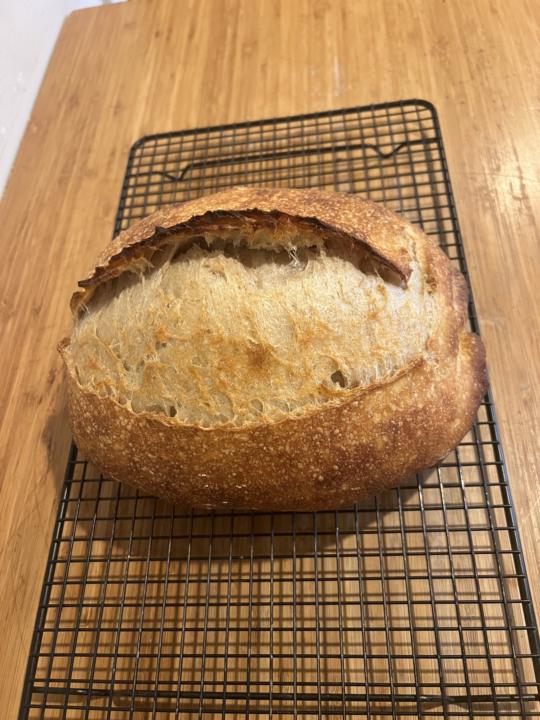
Low & slow 80% hydration batard in under 6 hours…
FORMULA: 100/80/2/10 Batch 10% B 10% recipe: 2 loaves 680g High Gluten flour 300g AP flour 100g Whole Wheat flour 840g water… room temperature. Hold back 50g water to dissolve the salt during Fermentolyse 240g Hank 24g salt ——————— Total weight = 2184g 1:15pm: is when Hank was introduced to the flour. Mixed Fermentolyse ingredients and brought it to a shaggy mass. Fermentolyse until 2:20pm. 2:35pm: add the salt and remaining water… mix with pincher and 1 minute of the Rubaud method. Dough temperature 75°f. Cover mixing bowl with smaller mixing bowl. Rest for 30 minutes. 3:05pm: do a coil fold to evaluate gluten structure development status. Do 1 minute of Rubaud method. Rest for 20 minutes. Do 1 more coil fold just to realign the existing gluten structure. Passed the windowpane test after the coil folds. Dough temperature 75°. Put the dough into the bulk fermentation cambro. Bulk ferment at room temperature… no heating pad today. This batch of dough has nearly built itself during an hour Fermentolyse and other resting periods. I touched this dough very little. No slap & folds. No stretch & folds. Just Rubaud and a couple of coil folds. Most modern sourdough teaching creates tension: - watch the clock - hurry to fold - don’t miss the window - more strength - more handling - more intervention. My preferred method is drifting toward something older and calmer: - hydrate thoroughly - let the dough organize itself - intervene lightly - preserve the bubbles - stop touching it once it’s aligned - trust fermentation. The process feels peaceful instead of stressful. The dough is in its uninterrupted bulk fermentation phase… so I’m going to watch my granddaughters game. I’ll be back in time to stop bulk fermentation by the time it achieves its 45% rise. 5:15pm: Batch B 10% inoculation dough has rise 45%. Divide + preshape + bench rest 20 minutes. 5:40pm: final shape both loaves + bannetons + put 1 loaf in fridge for overnight cold proof + final proof the loaf that’s going to be baked soon.
1-30 of 1,658
powered by

skool.com/crust-crumb-academy-7621
#1 Sourdough Community on Skool 🍞
Coaching, not judgment. Sourdough, starter, yeasted, enriched & every bread between.
✅ ProveWorth Certified ⭐⭐⭐⭐⭐
Suggested communities
Powered by