
Write something
Pinned

Dec '25 •
👋 Welcome to the Lab
Welcome to NeuroIntegration Lab. This is a space for people who want to better understand how the nervous system influences pain, movement, strength, balance, mobility, and performance. Some members are: - active adults looking to move and feel better - people frustrated by recurring pain or movement limitations - athletes pursuing higher performance - fitness and movement professionals wanting to better understand applied neurology If you're here, it means you're curious. Curious about what’s possible when we stop guessing and start testing. Inside this space: - you'll learn simple neurological drills that can create rapid changes - you'll begin understanding how the brain and nervous system shape movement and pain - you'll be able to test these concepts on yourself and, if you're a coach, with your clients - you'll connect with others exploring the same process This isn't just theory; it's application. The goal isn't complexity. The goal is learning how to identify what's missing, apply the right input, and observe what changes. Start with the Quick Wins section, try a few drills, and let me know what you notice. - Andrew
0
0
Pinned
Dec '25 •
🧠 Start Here: Test Inputs. Observe What Changes.
One of the biggest shifts in understanding movement, pain, and performance is realizing this: The nervous system constantly responds to input. Sometimes the right input can create surprisingly fast changes in: - pain - balance - mobility - coordination - breathing - confidence - movement quality The goal is not to memorize drills. The goal is learning how to: - test - observe - reassess - and identify what helps the individual in front of you. ⚡ Here are a few simple places to begin: 👃 Olfactory Drill: Can sometimes help with stress, tension, fogginess, or feeling “stuck.” 👁️ Eye Circles: Often useful for balance, coordination, movement quality, and visual awareness. 💨 Straw Breathing: Can help improve breathing mechanics, reduce excessive tension, and improve movement fluidity. ✋ Hand Figure-8: Often influences grip, shoulder tension, coordination, and upper-body movement quality. 🧍 Standing Rotation Test: Use before and after drills to observe whether movement changes. 💡 Important: Don’t assume. Test. Observe. Reassess. Sometimes the nervous system responds quickly. Sometimes it doesn’t. The process is what matters. 📣 Try one this week and share what you notice: - what you tested - what changed - what didn’t - what surprised you Post your observations in Questions & Discussion This is where we learn by applying and observing together. - Andrew
0
0
Pinned
Dec '25 •
🧭 How to Use This Space (What Goes Where)
You don’t need to understand everything here immediately. You just need to stay curious, try things, observe what changes, and participate. Here’s a quick guide to how the Lab is organized: 📂 Start Here: Begin here if you're new. These posts will help you understand the community and how to get started. ⚡ Quick Wins: Simple drills and movement strategies designed to create noticeable changes in pain, balance, mobility, coordination, strength, and performance. 🎓 Case Studies & ExperimentsReal stories: Real outcomes. What we tested, what changed, and what we learned. 💬 Questions & Discussion: Ask questions, share experiences, discuss concepts, or post observations from drills and training. 📈 Wins & Progress: Share improvements, breakthroughs, training wins, reduced pain, better movement, or anything else you’re noticing. 🧠 Coaches & Professionals Corner: Conversations specifically for trainers, coaches, therapists, and movement professionals exploring applied neurology more deeply. 📣 Announcements & Live Calls: Updates about live sessions, events, new resources, and important community information. You’ll get the most value from this space by participating - not just reading. If you’re unsure where something belongs, post it anyway. This is a place to learn, test, observe, and grow together.
0
0
7d •
Constantly Feeling Tight? Try This.
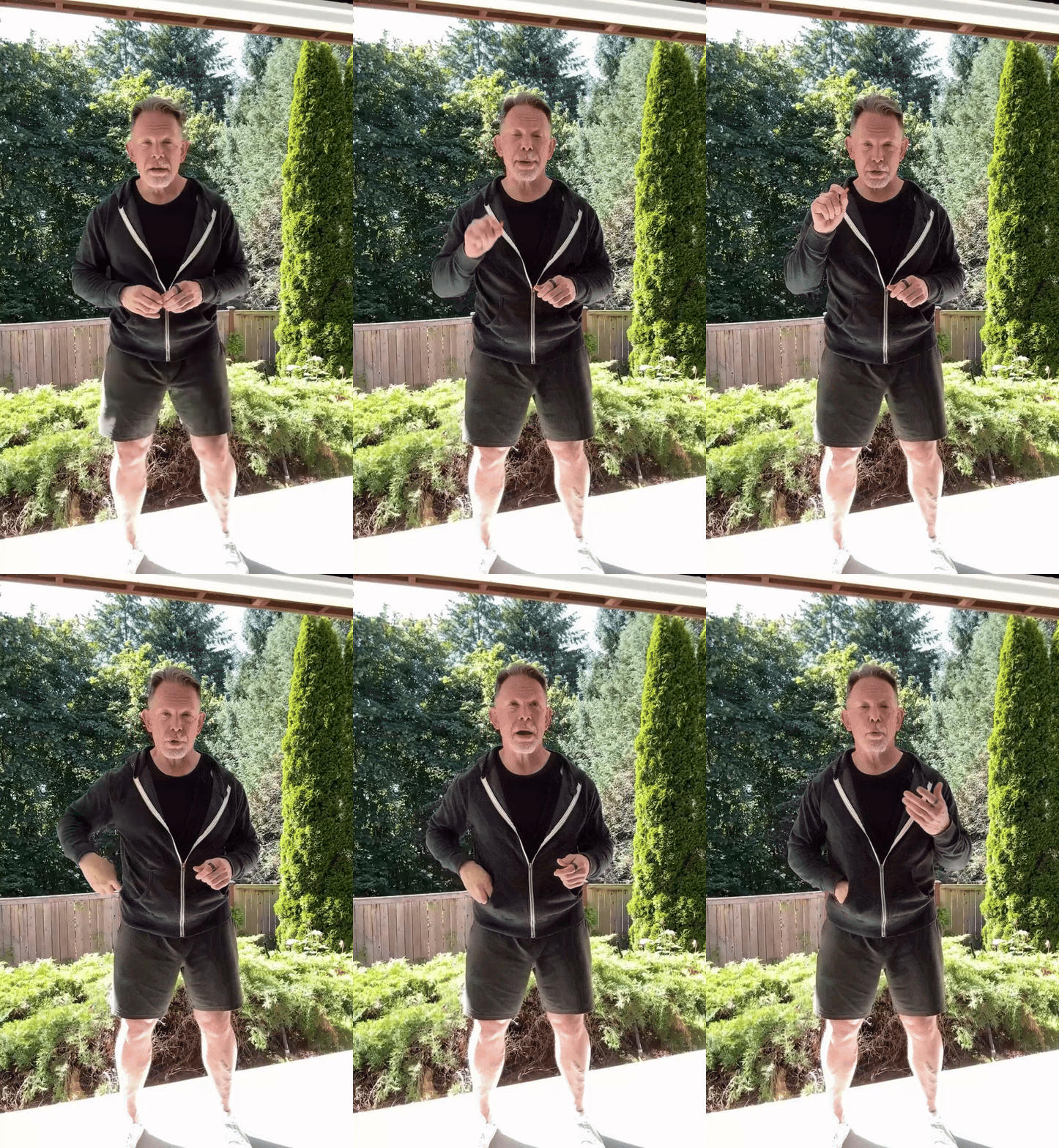
Sometimes movement restrictions, tension, or discomfort are less about the muscles themselves and more about the nervous system perceiving threat. One way we can experiment with changing that perception is by changing breathing input. For this drill, you'll need a basic drinking straw. Watch the video below, and follow along with the drill. Now retest the same movement and notice: - does anything feel easier? - smoother? - less restricted? - more balanced? - maybe nothing changed at all? The point is to test and observe. Post what you noticed in Questions & Discussion
1
0
Dec '25 •
👋 Introduce Yourself
Welcome to NeuroIntegration Lab - I’m really glad you’re here. This is a space for people who want to better understand how the nervous system influences pain, movement, strength, balance, mobility, and performance. Some members are: - active adults looking to move and feel better - people working through recurring pain or movement limitations - athletes pursuing higher performance - coaches and movement professionals exploring applied neurology Whether you’re completely new to these concepts or already experimenting with them, this community exists to help you learn, test, observe, and improve. 🧠 A few simple prompts to get started: Drop a comment below and tell us: - who you are - where you're from (if you'd like) - what brought you here - what you're currently struggling with, curious about, or working toward If you're a coach or movement professional, feel free to share: - who you work with - what populations you coach - what questions you're exploring right now Here's mine, to kick it off: I’m Andrew - a strength coach and applied neurology practitioner with more than 35 years of hands-on coaching experience. Most of my work has focused on helping adults get stronger, reduce pain, move better, and return to activities they care about. Over time, I became increasingly interested in how the nervous system influences pain, mobility, coordination, confidence, and performance. This community is a place to share ideas, test concepts, learn what works, and continue building a better understanding of movement and the nervous system together. Looking forward to hearing your story. Jump in when you’re ready.
1-7 of 7
powered by

skool.com/coach-andrews-neuro-group-5108
Brain-based approaches to pain relief, movement, mobility, balance, strength, and performance through applied neurology and nervous system training.
Suggested communities
Powered by