

11h •
My New AI Project — Boosting My LinkedIn Engagement
Hey everyone, I just published a new project breakdown on LinkedIn, and I’m focusing on increasing my engagement and visibility there, exactly what Alex has been teaching us about job hunting. I built an end-to-end Emergency Triage Assistant and shared the full demo, architecture, and code. If you’re interested in tech, AI, or building stronger portfolio projects, feel free to take a look. Since engagement and networking are a major part of standing out to recruiters, your support would genuinely help. Even a simple view, like, or comment on the LinkedIn post boosts visibility and helps my profile reach more hiring managers. Here’s the LinkedIn article if you want to check it out and support it: https://www.linkedin.com/pulse/developed-real-time-emergency-triage-assistant-designed-alireza-f--ctbrc Appreciate the support and happy to return the favor for anyone else posting their work.
1
0

3d •
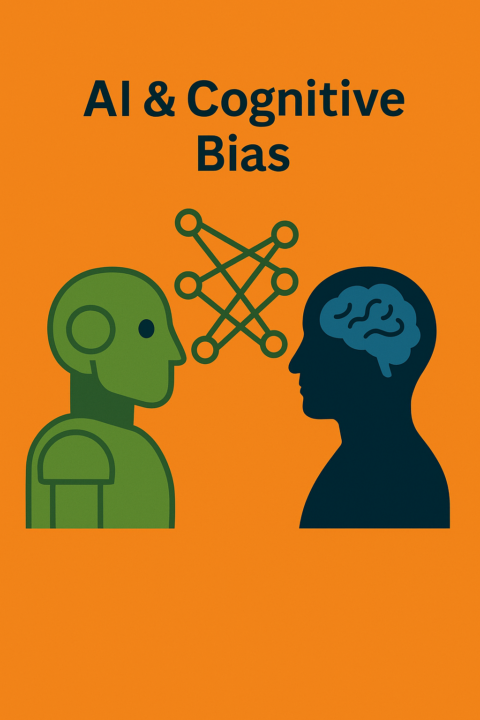
Day 21 — AI & Cognitive Bias:
When Technology Reveals the Blind Spots in Our Thinking** Today I explored something far deeper than behavior or attention: the invisible biases that shape our decisions without us noticing. AI systems in cognitive bias mapping can detect patterns like: ✨ when we overestimate risks ✨ when we choose the familiar instead of the better option ✨ when fear, stress, or past experiences quietly guide our choices ✨ when our assumptions limit our opportunities What amazed me is this: We often think we make “logical” decisions. But a huge part of our choices comes from mental shortcuts — unconscious patterns that feel natural but aren’t always helpful. So here’s the big question: If AI can highlight our blind spots, can it help us make decisions that are more aligned with who we want to be, not just who we’ve been? This isn’t about machines becoming smarter than us. It’s about gaining insight into the parts of ourselves that usually stay hidden. Not to replace our judgment — but to make it clearer, calmer, and more intentional.
5d •
Day 20 – When Our Minds Shape the Machine: AI, Bias & Human Perception
Today I stepped into one of the most important topics in AI and human psychology: How much of what we call “intelligence” — human or artificial — is actually shaped by our hidden biases? Every decision we make is influenced by patterns we don’t always see: - preferences we learned from childhood - assumptions shaped by our culture - shortcuts our brains use to save energy - emotional habits that repeat without us noticing These invisible biases don’t just guide our thinking — they also shape the data we create, the systems we build, and the technologies we train. When AI learns from us, it also learns our patterns: both the brilliant ones… and the biased ones. But here’s the part that gives me hope: AI doesn’t eliminate bias — but it can help us see it, question it, and rise above it. ✨ spotting inconsistencies in decisions ✨ revealing patterns we repeat without awareness ✨ giving us feedback we could never see alone ✨ challenging assumptions we treat as truth The goal isn’t to build “perfect” systems. The goal is to build more aware humans. AI should not replace human judgment — it should help us upgrade it. Because the more we understand our own patterns, the more intentional, confident, and free our decisions become.
6d •
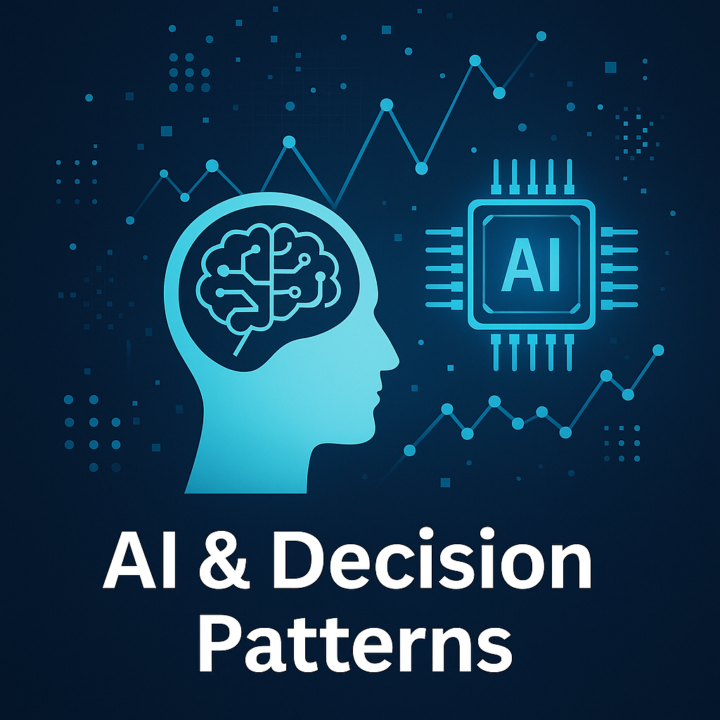
Day 19 – AI & Decision Patterns:
How Technology Reveals Why We Choose What We Choose** After exploring how AI reads our behavior and attention, today I went one layer deeper: What if AI can uncover the hidden reasons behind our decisions— the motivations we don’t always see in ourselves? In the field of Decision Modeling, AI doesn’t just track what we choose. It analyzes the conditions, emotions, timing, and micro-patterns that shape why we choose it. And that’s where things get really interesting: 🔹 AI can reveal “decision signatures” Every person has a unique pattern in how they decide— some delay, some rush, some seek details, some follow intuition. AI can detect these invisible habits long before we notice them. 🔹 It can support better self-awareness In mental health, AI tools can recognize when someone’s decision-making shifts due to stress or burnout. In learning, it can show which choices motivate a student and which ones block progress. 🔹 It can help design more human-centered systems When technology understands how we decide, it can build experiences that reduce friction instead of creating pressure. But… this also raises an essential question: **If AI understands our decision patterns, how do we ensure it empowers us— not guides us toward choices we didn’t truly make?** True progress isn’t technology predicting our next move. It’s technology helping us understand the inner logic of our own choices. In the end, AI shouldn’t decide for us— it should help us decide with more clarity, intention, and awareness.
7d •
Day 18 – AI, Attention & Decision-Making:
Why Machines Sometimes Understand Our Focus Better Than We Do** Today I explored a topic that feels both exciting and a little uncomfortable: **How does AI understand what captures our attention— and how does that shape the decisions we make?** Modern AI models in Attention Analytics can track patterns in: - where our eyes stay longer - which words trigger emotional reactions - what content we scroll past quickly - how we prioritize tasks under stress - and even what we avoid without noticing AI doesn’t just observe our choices; it observes how we choose. That’s what makes this field so powerful: It reveals blind spots we don’t recognize in ourselves. Here are a few real-world examples I found fascinating today: ✨ Education: AI helps identify when a student’s focus drops—even before they say anything. ✨ Healthcare: Attention shifts can signal early cognitive stress or emotional overload. ✨ Productivity Tools: Some systems analyze workflow patterns and suggest better mental load distribution. ✨ Digital Safety: When attention patterns change suddenly, AI can detect emotional distress or burnout. But with all this potential, one question becomes more important than ever: **If AI understands our attention, who decides how that understanding is used— us or the systems we create?** True progress isn’t about building AI that captures our attention, but AI that respects it. Technology should help us become more intentional— not more predictable. More self-aware— not more influenced. The goal isn’t for AI to shape our decisions… but to help us understand why we make them.
1-30 of 67
Leaderboard (30-day)
1

+669
2

+548
3

+454
4

+413
5

+334
Powered by