
Apr '25 (edited) • General Discussion 💬
Raw materials used in perfumery part 3–Dihydromyrcenol
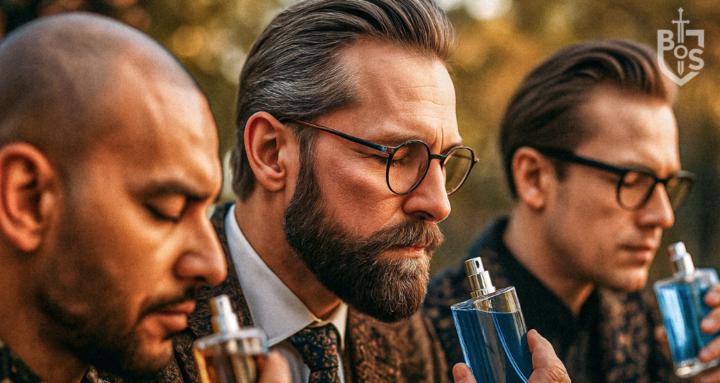
If you have ever worn Drakkar Noir, splashed on Nautica Classic, or enjoyed Davidoff Cool Water, then you have already met the bright, invigorating character of Dihydromyrcenol. You can spot it, too, in modern offerings like Bleu de Chanel or Dior Sauvage, whenever that crisp, zesty top note makes you think of freshly laundered linen or a sudden burst of lime. It can punch up lavender’s herbal charm, and there is a sweetness and a sparkling citrus twist here that gives it a life of its own. In truth, you can slip it into just about anything: masculine fragrances, feminine blends, even everyday shampoos and soaps. It brings a strong, clean lift, masks unwanted base odors, and still leaves room for the rest of a formula to shine.
When a perfumer wants to capture that “just stepped out of a shower in a seaside villa” kind of feeling, they often reach for Dihydromyrcenol. It manages to be both soapy and citrusy, but it doesn’t lean too far into either side, which makes it an effortless team player.
In small amounts, it freshens up everything from muguet to rose, and in heavier doses it practically roars with masculine confidence, as seen in the classic powerhouse fougères of the 80s. One of its secrets, though, is that it comes from upcycled turpentine extracted from softwood used in the paper industry where pinene molecules are fractionated and then transformed into this bright, citrus-terpenic wonder.
Even as fragrance trends shift, Dihydromyrcenol remains a perfumer’s go-to when they want that clean, modern hit of brightness.
47
35 comments
Raw materials used in perfumery part 3–Dihydromyrcenol
skool.com/bos
#1 Fragrance Community 🏆
Our mission is to help YOU leverage the power of scent to become the man you know yourself to be.
Leaderboard (30-day)
1

🔥
+3408
2

🔥
+3144
3

+2955
4

🔥
+2874
5
🔥
+1865
Powered by