
🔥
Oct '25 (edited) • Q&A 🙋🏻♂️
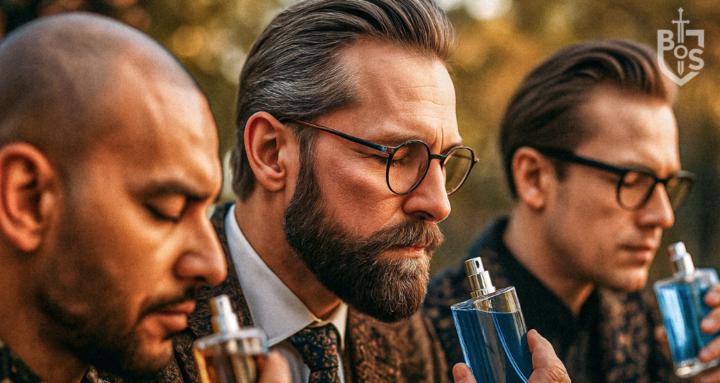
Fresh October Day 30 Meet the Middle Easten Houses that do inspired Buys. And why they are Inexpensive.
Lattafa was founded in 1980 by Sheik Shahid Ahmad and Shoaib Iqbal in Dubai, United Arab Emirates. The company was initially a small startup with the goal of creating high-quality fragrances for the Middle Eastern market.
- Founding: 1980
- Founders: Sheik Shahid Ahmad and Shoaib Iqbal
- Location: Dubai, UAE
- Initial Goal: To create high-quality, luxurious fragrances for the local Middle Eastern market
Armaf was founded in 2010 by the Sterling Perfumes group in the United Arab Emirates. While some sources indicate a 2015 founding date, Sterling Perfumes confirms a 2010 launch, with 2014 also mentioned by other sites.
- Official founding: The official Armaf website states its journey began in 2010.
- Parent company: Armaf is the flagship brand of Sterling Perfumes, a company founded in 1998 by the Fakhruddin family.
- Conflicting dates: Some sources cite 2014 or 2015 as the founding year for the Armaf brand, but 2010 is supported by the company's own history.
Rasasi was founded in 1979 in Dubai, United Arab Emirates, by Abdul Razzak Kalsekar. It is a family-owned business that began with a small shop and has since grown into a major fragrance brand with a global presence.
- Founded: 1979
- Founder: Abdul Razzak Kalsekar
- Location: Dubai, United Arab Emirates
- Business Type: A family-owned business specializing in perfumes and fragrances
Fragrance World was founded in 2003. It was started by Poland Moosa Haji as a perfume manufacturing and trading company in Deira, UAE.
Additional details about Fragrance World:
- The company evolved from Moosa Haji's earlier trading business, Al Ghuroob, which he started in 1988.
- While some sources mention different dates like 1988 or 2004, the official brand story clarifies that 2003 marks the point when the business shifted focus specifically to perfume manufacturing.
Ibraheem al Qurashi founded Ibrahim Al Qurashi, a luxury perfume company, which started as a small shop in Mecca, Saudi Arabia, in 1929. The company is known for its traditional Arabian perfumes, particularly its blends of oud and amber.
- Company: Ibrahim Al Qurashi
- Year founded: 1929
- Location: Started as a small shop in Mecca, Saudi Arabia, located in front of the Holy Mosque
- Specialty: Traditional Arabian perfumes, with a focus on oud, amber, and other rich fragrance blends
Swiss Arabian was founded in 1974 by Hussein Adam Ali, establishing it as the first perfume manufacturing company in the United Arab Emirates. The brand was founded in collaboration with Swiss perfumery giant Gividaun Roare
- Year of founding: 1974
- Founder: Hussein Adam Ali
- Location: Dubai, United Arab Emirates
- Key partnership: A collaboration with Swiss perfumery company Givaudan.
Middle Eastern perfumes can be inexpensive due to factors like lower production costs, access to locally sourced raw materials such as oud, Oils, and the prevalence of many budget-friendly "dupe" fragrances that mimic more expensive designer scents. Additionally, many are oil-based, meaning they are concentrated and a small amount lasts a long time, which is considered good value.
Production and raw materials
- Lower manufacturing costs: The region benefits from lower labor and overall manufacturing expenses compared to Western countries.
- Local raw materials: Middle Eastern countries are major producers of key perfume ingredients like oud, meaning these materials are locally available and cheaper to source.
- Fewer taxes: Some regions may have lower taxes on these goods, contributing to their lower final price.
Fragrance type
- Oil-based formulations: Many are oil-based attars, which are highly concentrated and last longer than alcohol-based Western perfumes. Because they are so potent, they are considered a good value for money.
- "Dupe" fragrances: A significant market exists for affordable fragrances that are inspired by or are direct copies of designer and niche perfumes. These "dupes" are often marketed at a fraction of the cost of the original scents.
Unlike Copy Houses in the United States. These companies have been around a long time. They have huge factories, and the craftsmanship has been passed down from father to son. They have large retail outlets. Lattafa has over 1,000 stores in the Middle East, and the others have a significant retail presence as well. They have created many original fragrances of their own, as well as inspired buys, which initially catered to the Middle Eastern and Asian Markets, hence the Term Oriental Perfumery. If you look further. If you look further, this market has flourished for years as perfumery plays a significant role in their society!!!
Factors that influence the lower price point of some Middle Eastern perfumes include production methods, smaller marketing budgets, and the ability to manufacture affordable "dupes" of expensive designer fragrances. However, many luxury Middle Eastern perfumes, particularly those using pure, rare ingredients like authentic oud, are extremely expensive. The market varies greatly depending on the brand and ingredients used.
Factors that make Middle Eastern perfume affordable
- Smaller marketing costs: Many affordable Middle Eastern brands like Lattafa, Armaf, and Rasasi operate with significantly lower marketing and advertising budgets than their Western counterparts. This allows them to pass the savings on to the consumer.
- Lower production costs and retail margins: Compared to premium Western brands that mark up products substantially for a luxury image, affordable Middle Eastern brands often have much lower profit margins. A Western designer perfume might be marked up more than 10 times the actual cost of the fragrance liquid.
- Local ingredients: Perfumes made and sold within Middle Eastern countries can be cheaper because they use ingredients found closer to home. This reduces the costs associated with importing and exporting.
- Focus on fragrance over packaging: While luxury Middle Eastern perfumes can have ornate bottles, many affordable brands use less complex and expensive packaging. For many designer fragrances, the intricate bottle design accounts for a large portion of he overall cost. Prevalence of "dupes": Many inexpensive Middle Eastern brands create "dupes"—fragrances inspired by expensive designer or niche scents—that have a similar scent profile but are sold at a much lower price. The existence of these affordable clones contributes to the perception that Middle Eastern perfumes are cheap.
- Traditional oil-based attars: Traditional concentrated oil perfumes, known as attars, are a cornerstone of Middle Eastern perfumery. While premium attars can be very expensive, many are sold in small, simple bottles, reducing costs associated with large spray dispensers and alcohol bases.
To sum it all up, Middle Eastern perfumery not only uses oils and ouds sourced locally, since it is a part of the culture, but they also don't associate profit as much as Western cultures since it is a part of their every day life. Lots of the fragrances they have also coincidentally had similar scent profiles to the ones created in Western cultures and have reached out globally. If anything, the new trend in perfumery using Oud and other Spicy ingredients, ex. the oriental perfumery can be said to be copying Middle Eastern perfumery!!!
49
30 comments
Fresh October Day 30 Meet the Middle Easten Houses that do inspired Buys. And why they are Inexpensive.
skool.com/bos
#1 Fragrance Community 🏆
Our mission is to help YOU leverage the power of scent to become the man you know yourself to be.
Leaderboard (30-day)
1
🔥
+3120
2

🔥
+2574
3

+1995
4

🔥
+1928
5

🔥
+1567
Powered by