Activity
Mon
Wed
Fri
Sun
Apr
May
Jun
Jul
Aug
Sep
Oct
Nov
Dec
Jan
Feb
Mar
What is this?
Less
More
Memberships
MAIA's Black Belts In Business
947 members • Free
Kids Jiu-Jitsu Playbook
835 members • Free
Defend Yourself
327 members • Free
The Arte of Coaching Kids BJJ
299 members • $5/month
19 contributions to Defend Yourself

3 likes • 22d
The karate Kid was what sparked my interest back in the 80s and got me into Tae Kwon Do. The interest for BJJ started with a need for something self defence related to train with my kids that wasn’t primarily based on striking.
23d •
New folder added to the "Premium Member Courses" classroom.
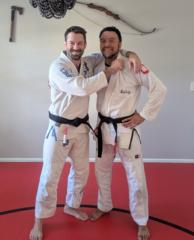
New folder added to the "Premium Member Courses" classroom. Private Lesson Clips. The clips add some additional context to some recent Q&A discussion. I enjoyed watching how Professor James used a constraint for the top person (don't grab the head) to help the bottom person practice the escape. Special thanks to @Clay Cox for sharing his family time with all of us. 🙏 Standing headlock and guillotine defenses have also been added to the "Standing Self Defense" folder.
4 likes • 22d
Thank you 🙏 😊
Sep '25 •
Wisdom
Share some wisdom with the group. I’ll go first. My opponent is my teacher, my ego is my enemy. Leave yours in the comments. 🙌
3 likes • Jan 20
“It’s great to train hard and become a champion, but it’s greater to become a good human being” Jean Jacques Machado
2 likes • Jan 20
@Andy DeJesus I’ve only watched his online stuff, but he seems like a very empathetic, calm and structured coach😊 Maybe some day there’ll be an opportunity to train with some of the role models in BJJ😊

Jan 17 •
Article by Eddie Fyvie on Fundamentals in Jiu-Jitsu
Here is a link to another article by Eddie Fyvie on Fundamentals in Jiu-Jitsu that you may find interesting. https://open.substack.com/pub/eddiefyvie/p/the-definitive-guide-to-fundamentals?utm_source=share&utm_medium=android&r=28tq2b
1 like • Jan 19
Thank you🙏
Jan 14 •
Teaching Kids classes
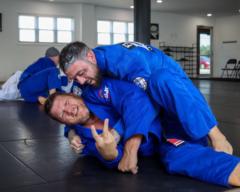
kids classes being 45 minutes long. I see so many schools now doing 45 minute kids classes. Am I just old in that I have a hard time pulling that trigger? I know I could create some more time slots by doing that but even with the hour I have I feel like I need an hour and a half sometimes. Even when I wrestled at 13, practice was an hour and a half plus. I goof and make fun with my kids a ton and I get that takes time out but I feel like the extra time I take messing with the kids is so fun and important.
1 like • Jan 16
We do 60min classes for the 8-12yo group in the gym I’m at, and that’s kind of what I’m used to with kids both in BJJ and Taekwondo. I think that how the class is run is more important than if it’s 45 or 60min. Though of course, the younger the kids are, the shorter time they can focus their attention. I’m used to a traditional IP approach to coaching, and that is also the mostly used coaching style in the gym. What I see with the kids though, is that several kids tend to lose focus when explaining take to long or include to much information (and it doesn’t take much before it’s to much). Or if they don’t “get it” right away. A 60min classes can feel very long for both kids and coaches if focus gets lost. I’ve currently started learning about and trying out the CLA approach to coaching, with more games and a playful approach to learning. So far I’ve found this works really well. It seems to keep the kids more engaged, the class flows better and it feels less stressful as a coach. Instructions is kept as short and simple as possible, giving the kids clear goals to work on in each game. I don’t know if a CLA only class is to prefer, but I think a combination of IP and CLA can be a good approach to keeping kids engaged and focused in 60min classes. Then again I know other gyms who run 45min CLA only classes with kids, and the kids seems both happy, content and with energy well spent. For them a 60min classes can feel like too much.
1 like • Jan 16
@Jason Reno That’s like the best feeling, when the class flow, time flies and the kids want more😊 Well done!
1-10 of 19
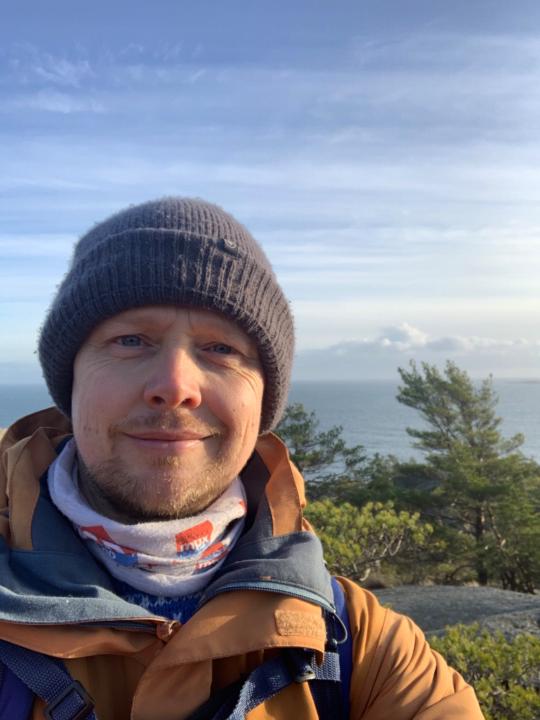
@svein-andre-jrgensborg-1615
BJJ White belt, assisting kids coach.
2nd. Degree Taekwondo black belt.
Active 48m ago
Joined Oct 12, 2025
Norway
Powered by