Activity
Mon
Wed
Fri
Sun
Jan
Feb
Mar
Apr
May
Jun
Jul
Aug
Sep
Oct
Nov
What is this?
Less
More
Owned by Neil
Your best life at 70 starts today. Mindset, Fitness & Vision coaching to help you grow stronger, sharper & more confident as you age
Memberships
Theory of Man
138 members • Free
LinkedIn PROS
155 members • Free
One of One Creators
19 members • Free
Creators Forge
256 members • Free
Let's Flake it happen
40 members • Free
6-Figure Skoolers
21 members • Free
Dirt to Dinner - On Your Own!
15 members • $2/month
$100M MONEY MODELS SUPER GROUP
1.3k members • Free
THERMACULTURE Sauna Skool
66 members • Free
7 contributions to Theory of Man
26d •
Kettlebell Swings: Unforeseen Impact on Overall Wellness
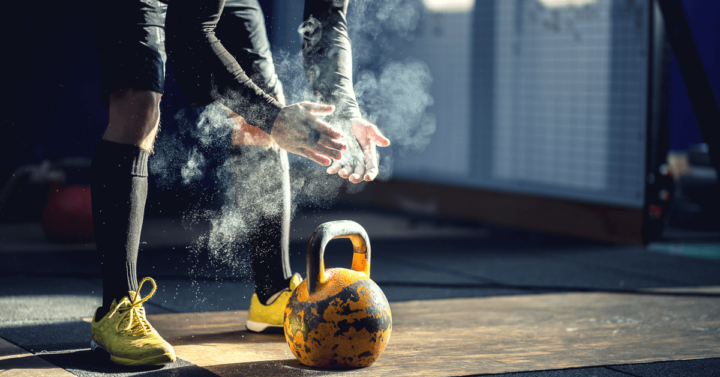
Kettlebell swings have surged in popularity among fitness enthusiasts, and it’s easy to see why. This dynamic exercise not only builds strength and endurance but also supports mental health. Engaging in kettlebell swings can enhance focus and provide stress relief. Let's explore how kettlebell swings can transform your overall wellness. Exploring the Impact of Kettlebell Swings on Strength and Endurance Kettlebell swings offer far more than traditional weight-lifting exercises. The unique swinging motion creates a full-body workout that engages multiple muscle groups at once. When executed correctly, kettlebell swings boost both strength and cardiovascular endurance. The explosive movement activates the posterior chain, focusing on key muscles like the glutes, hamstrings, and lower back. For instance, research indicates that practitioners can enhance their hip extension power by up to 20% after a few weeks of consistent training. Incorporating kettlebell swings into your workouts can lead to remarkable strength gains. One study found that participants who trained with kettlebells increased overall strength by 15% after a six-week regimen. Since kettlebell swings primarily engage anaerobic pathways, they also elevate heart rates, promoting improved cardiovascular health. This powerful combination of strength and endurance makes kettlebell swings an essential component of any fitness program. A kettlebell resting on a gym floor, ready for a workout. The Benefits of Kettlebell Swings for Core Stability A strong core is vital for good posture, balance, and functional movement. Kettlebell swings excel at building core strength because they engage your abdominal and oblique muscles during the swinging motion. As you perform each swing, your core works to stabilize your body, helping to control the movement and generate power. This essential engagement not only strengthens your core but also fosters better alignment, which reduces the risk of injuries during daily activities.

1 like • 26d
picking what weight to use? what's the advice. if im doing a routine, some of the exercises I can do with heavier kettlebells but others I need lighter weights, especially if im wanting to make sure the form is good. what's your advice please?
Oct 2 •
Why Keeping TESTOSTERONE Natural Is More About LIFESTYLE Than Pills
Every man talks about it. Some fear losing it, some chase it, and many try to buy it in a bottle. We see ads everywhere, boosters, powders, miracle supplements, even clinics pushing injections for men who are simply tired or stressed. But often, your body isn’t broken, your lifestyle is. Our ancestors didn’t swallow capsules or run to clinics. Yet they carried strength, drive, and fertility long into old age. Why? Because their lives aligned with the signals that naturally keep testosterone thriving. Sunlight, sleep, hard physical work, real food, competition, brotherhood, and recovery, these were not “biohacks,” they were daily life. Today, staggering ammount of men live in ways that crush testosterone: - Wake up in the dark, scroll a phone instead of seeing the sunrise. - Sit indoors all day under artificial light. - Eat ultra-processed food made in factories. - Stay up late, blasted with blue light, sleep deprived. - Rarely train with intensity, rarely push themselves, rarely rest deeply. Then they wonder why energy is gone, sex drive is flat, and motivation is low. The answer isn’t a pill. It’s realigning with what men are built for. What Testosterone Actually Does for You It’s not just about muscle. Testosterone drives mood, focus, red blood cell production, and metabolic health. It sharpens your edge as a man — your ability to push, compete, and recover. Low levels aren’t just about gym performance, they’re about losing the very fire that makes you want to train, to build, to lead. The Lifestyle Levers That Move Testosterone - Light → Morning sunlight sets your circadian rhythm, and with it, your hormone pulses. Men who get early sun have higher natural testosterone than men who live in artificial light cycles. - Sleep → Most testosterone is produced during deep sleep. Cut sleep by 2–3 hours, and your T can drop 10–30%. Chronic short sleep can slash levels into clinical deficiency. - Strength training → Heavy compound lifts and explosive work signal your body to produce more testosterone. Lifting weights is the original “test booster.” - Nutrition → Testosterone is literally made from cholesterol. Men who avoid fats (eggs, red meat, seafood) often see suppressed levels. Micronutrients matter too — zinc, magnesium, vitamin D all support hormone synthesis. - Stress → Chronic cortisol (stress hormone) directly competes with testosterone. Long-term stress and constant phone notifications keep your body in “survival mode” where testosterone takes a back seat. - Connection → Men who compete, bond, and live in community consistently show higher testosterone than isolated men. Brotherhood isn’t just emotional health — it’s biochemical.

1 like • Oct 3
Tomorrow im 62, 100kgs : At 30 I was 68kgs: Lifestyle changed from working on farm to sitting on my backside all day long. Ive always had a decent diet but boy do I wish I had known about some of this stuff years ago. Mt T level according to my Dr is within an acceptable range, but that range is very wide. My advice is to take onboard what this article tells us also got get a base line reading for testosterone especially if your around 30
Sep 12 •
RECOVERY Supplements: What Actually Works (and What Doesn’t)
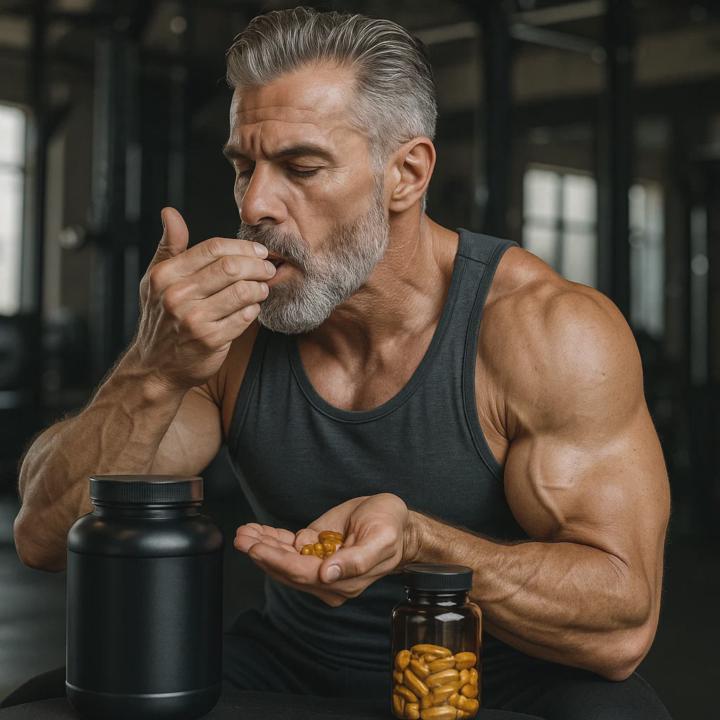
Many of us train hard enough that soreness, fatigue, or slow recovery gets in the way at some point. You smash a tough session, feel good in the moment, and then the next day your body reminds you you’re not 20 anymore. That’s when people start reaching for powders and pills that promise to “fix” recovery. The truth is: very few supplements actually help. Most of what the industry sells is just expensive hype. The newest research points to a small handful that are truly worth considering: - Creatine Monohydrate – Not just for strength. A 2025 trial showed that lifters who used 5-20g day for 28 days recovered faster after hard eccentric sessions: less soreness, faster return of strength, and better range of motion. The Effects of Creatine Monohydrate Supplementation on Recovery from EIMD (2025) by Yamaguchi et al. In 40 healthy men, 28 days of creatine monohydrate significantly sped up recovery after eccentric (muscle-damaging) exercise. Improvements were measured in range of motion, maximum voluntary contraction, reduced muscle soreness and stiffness. This research also looked at inflammation-related genes and found reduced expression in those with creatine. - Omega-3 Fatty Acids (EPA/DHA) – Known for lowering inflammation and helping joints, but here’s the underrated part: omega-3s also support brain health and mood. Studies show they can help reduce symptoms of anxiety and improve overall emotional resilience. For men balancing training, work, and life stress, this can be just as valuable as the physical recovery side. If you’re not eating fatty fish 2–3 times a week, supplementation is worth it. - Vitamin D & Sunlight – This one is huge. Low vitamin D is linked to slower recovery, weaker immunity, and reduced training adaptation. But here’s the key: supplements should be a backup, not the foundation. Daily sunlight exposure, 10–20 minutes on skin and eyes in the morning or midday, is the most powerful way to boost vitamin D and reset your circadian rhythm for better sleep (which is recovery’s #1 tool). If your lifestyle or location keeps you indoors, then a vitamin D supplement is a smart fallback.
0 likes • Sep 26
Can I add onto your list Spirulina and Chlorella. Power food packed with proteins, minerals and vitamins.

Sep 21 •
Creatine and High Blood Pressure
I am 50 y-o and been working out consistently for the past 9 years; i lift weight and enjoy running as well (a short 10k every other week) with smaller runs and hikes in between.I have read about Creatine and would like to give it a try but I am worried as I have read about a potential risk of increasing my blood pressure (my BP is generally high); I was wondering if anyone has experience using Creatine and how (if at all) it has impacted their BP
1 like • Sep 26
I love how active you are too. can I chime in on the high BP, there is really, really good evidence that meditation is a great tool for lowering BP. But regular practise is essential, but just start with 10 mins a day, see how it goes
Aug 25 •
For all new members!
Drop a quick intro in the comments - who you are, what your goals are, and any obstacles you’re facing right now. If you’ve got questions, ask away. This community is just getting started, and the more we engage with each other, the more value everyone gets out of it.
2 likes • Sep 22
Hi Im Neil, im 62 in a couple of weeks. Im not willing to accept that getting older means decline. I have taken my eye off the ball though and need to keep disciplined and keep working out. as well as muscle strength and power, mobility/agility is an important consideration for me as I have an arthritic back
1-7 of 7
@neil-massie-9738
Your best life at 70 starts today
Aging badly is not inevitable. Learn to be STRONG, HEALTHY & PURPOSEFUL.
Start today, tomorrow will thank you
Active 26d ago
Joined Sep 21, 2025
Aberdeen Scotland