Activity
Mon
Wed
Fri
Sun
Apr
May
Jun
Jul
Aug
Sep
Oct
Nov
Dec
Jan
Feb
Mar
What is this?
Less
More
Memberships
Super Power Labs Accelerator
66 members • Free
Learn Power Apps
2.5k members • Free
Tech Workshops
65 members • $25/m
Power Apps Templates
122 members • $25/m
The Microsoft Stack
108 members • Free
34 contributions to Learn Power Apps

2d •
Understanding Model-Driven Apps
🤔 Entities, forms, views, relationships, roles, and permissions >> "My current project is a Model-Driven App (CRM) with Business Central integration. My role focuses on implementing entities, forms, views, relationships, roles, and permissions. However, I feel that I don’t yet have a complete overview of how the whole system works. I can connect small pieces, but I don’t fully see the big picture." --- #️⃣ The Mental Model: A Database with a Living Face The most important thing to understand about Model-Driven Apps (MDAs) is that they are not built like traditional applications. Most software is built code-first — a developer writes logic, and the UI is crafted around that logic. MDAs flip this: they are data-model first. Everything you see on screen — forms, views, dashboards — is generated automatically from the underlying data structure you define. This is why they're called "model-driven." Think of it this way: you define the shape of your data, and the app emerges from that shape. #️⃣ The Four Layers (and How They Stack) It helps to think of the whole system as four distinct layers sitting on top of each other. 1️⃣ Layer 1 — The Data Layer (Dataverse) At the very bottom is Microsoft Dataverse, which is essentially a cloud-hosted relational database with superpowers. Every "entity" you create (like Account, Contact, Opportunity, or a custom one) is really just a table in Dataverse. The columns (fields) you add to that entity are the columns of that table. The relationships you define between entities are foreign keys — Dataverse just makes them feel more semantic (one-to-many, many-to-many, etc.). This layer is the source of truth. Everything else in the app is a view into or interface over this layer. 2️⃣ Layer 2 — The Metadata Layer (the "Model") On top of the raw data sits metadata — the definitions of how data relates, behaves, and validates. This includes your relationships (which entities are connected and how), field types and validation rules, and crucially, Business Rules (declarative logic you define without code, like "if Status = Closed, make Revenue required"). The metadata layer is what makes this a model-driven app — the model is this rich description of your data and its rules.


1 like • 2d
Very nice breakdown! I actually understood it.
Oct '25 •
👋 New joiner? Welcome! Start here 👇
Welcome to all new members, here's some links and information to help you get started! 𝗤𝘂𝗶𝗰𝗸 𝗟𝗶𝗻𝗸𝘀 𝘁𝗼 𝗴𝗲𝘁 𝘀𝘁𝗮𝗿𝘁𝗲𝗱 - For an introduction to this community → Step 1: Design your learning journey - Welcome Pack · Learn Power Apps - New-ish to PowerApps? → Check out our Introduction & Overview - Power Apps Crash Course · Learn Power Apps - Getting Certified - Studying & Pass Power Platform Exams:🥇 CLICK ON THIS LINK! - Pass the PL-900 Five Day Challenge · Learn Power Apps - Want to get hands-on? → Check out Super Power Labs Accelerator 𝗛𝗼𝘄 𝘁𝗼 𝗲𝗻𝗴𝗮𝗴𝗲 𝘄𝗶𝘁𝗵 𝘁𝗵𝗲 𝗰𝗼𝗺𝗺𝘂𝗻𝗶𝘁𝘆? - Share your knowledge and experience! Even if you're relatively new to PowerApps, or the community, your opinion and experiences are valued here! A great way to earn your first point(s) is to introduce yourself in the thread below 👇😀 Thank you for engaging and joining us on this exciting learning journey! 🙏 Darren
0 likes • Jan 26
@Kurt Larson Who is that masked man? @Darren Neese
2 likes • Jan 26
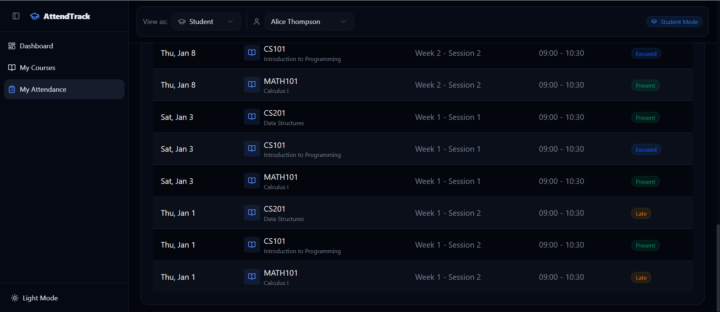
@Darren Neese was AI involved in the creation of this app?

Jan 12 •
View different screen sizes in design mode
This comes in handy 🫳 when building responsive apps. How often do you make use it. (See attached👇👇👇)

2 likes • Jan 12
Always!!!

Oct '25 •
Responsive Containers
I am currently working on an application and have gotten responsive containers to function pretty well for me. The container transitions from horizontal to vertical based on the size of the screen it is being displayed on, so users on a PC/laptop will see the labels to the left of the input control, and users on a phone will see the labels appear above the input control. Would anyone be interested in the YAML code for the container to try to play around with?
2 likes • Oct '25
@Dustin Rocksvold Well that sounds like a wonderful idea, I like free stuff, so Yes sir!
2 likes • Oct '25
@Dustin Rocksvold Thank you Dustin!
1-10 of 34

@mark-kloch-2309
Retired, learning enthusiast, loving all things to do with code creation!
Active 5h ago
Joined Jul 7, 2023
MD
Powered by