Activity
Mon
Wed
Fri
Sun
Jun
Jul
Aug
Sep
Oct
Nov
Dec
Jan
Feb
Mar
Apr
What is this?
Less
More
Owned by Juan
Detectamos, filtramos y te ayudamos a ganar contratos en España de 5.000€ a 75.000€ sin complicaciones burocráticas.
Memberships
Skoolers
192.8k members • Free
Ajedrez con proposito
5 members • Free
Elevare
4 members • Free
Skool Growth Free Training Hub
7.4k members • Free
Alejandra Studio
4 members • Free
3 contributions to Elevare

3d •
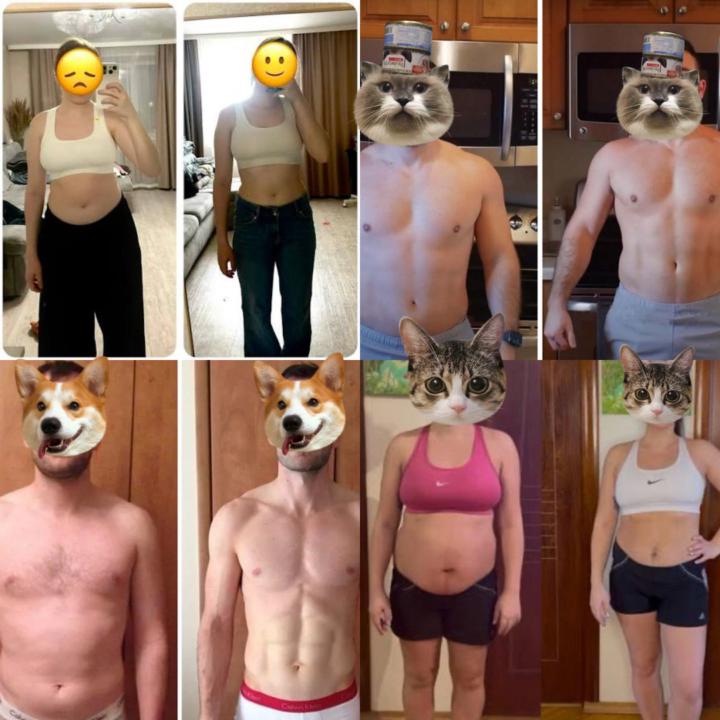
My strategy works — and I’m seeing it every single day.
Watching people transform during my nutrition challenge is the most rewarding part of this journey. More energy. Better habits. Confidence coming back.Not just physical changes — a completely different mindset. Small daily choices really do create big results.Proud of every person who decided to invest in themselves and keep going, even on hard days. 💛 This is only the beginning.

0 likes • 3d
It is good to see people achieving results thanks to you
14d •
The Dark Side of Discipline During Life Transitions
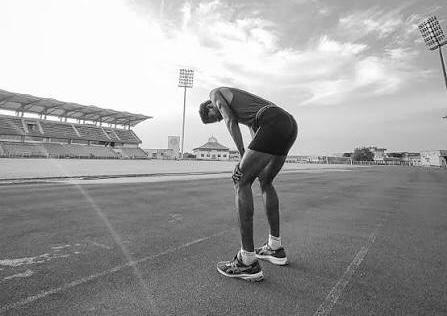
There’s a quiet danger hidden inside life transitions — the so-called “midlife crises” at 30, 40, or 50. They don’t always look dramatic. Sometimes, they look like motivation. Like discipline. Like a sudden obsession with becoming “better.” People start training harder. Setting ambitious goals. Chasing the version of themselves they feel they’ve lost or never reached. And at first glance, it looks admirable. But here’s the problem: many begin to treat themselves like professional athletes — without understanding what that actually means. A real athlete doesn’t just train hard. They recover strategically. They follow structured cycles: periods of intense work followed by deliberate rest. Their performance is monitored. Their bloodwork is checked regularly. Their body is not just pushed — it is studied, understood, and protected. For them, sport is not a temporary escape from a life crisis. It’s a lifelong system. In contrast, during personal crises, people often: — ignore recovery — push through pain and fatigue — train inconsistently but intensely — neglect medical check-ups — chase results instead of building sustainability This leads not to transformation — but to burnout. Overtraining is real. Chronic fatigue, hormonal imbalance, injuries, and emotional exhaustion are not signs of weakness — they are signs of misalignment. The truth is: you are not competing in a championship. You are building a life. Sport can absolutely be a powerful tool during difficult periods. It can ground you, stabilize your mood, and restore a sense of control. But only if it’s approached with awareness. Not every crisis needs intensity. Sometimes it needs patience. Sometimes it needs rest. Sometimes it needs curiosity toward your own body, not pressure against it. Growth doesn’t come from punishing yourself into a new identity. It comes from learning how to work with yourself — not against. Take care of your body not as a project to fix, but as a system to understand.
1 like • 14d
As an expat for many year I suffered that , I have chosen rest , no need to travel Just rest and silence.
26d •
🤍How to learn to love sports?
Many people start training with enthusiasm, but after a few weeks—or even days—it all stops. Sound familiar? The reason is often not a lack of willpower, but the wrong approach. Here are some tips to help you change your perspective on exercise and turn it into a habit rather than a chore. ✨Find your sport. Not everyone enjoys heavy strength training or long-distance running. Maybe you’ll like dancing, yoga, or even walking in nature. Experiment. The key is to choose something that brings you joy. ✨Add elements of play. Compete with yourself or friends, use activity-tracking apps, or try challenges—these can make workouts more fun. Focus on how you feel, not just the results. Instead of expecting immediate changes in weight or appearance, notice how exercise improves your mood, reduces stress, and boosts your energy. ✨Find like-minded people. Working out with friends or in a group is not only motivating but also enjoyable. A supportive atmosphere helps you stay consistent and avoid skipping sessions. ✨Stop punishing yourself with workouts. Exercise is not a punishment for eating cake—it’s a way to take care of yourself. Treat it as an investment in your health and well-being. ✨Plan your rest. Overtraining can quickly kill your motivation. Allow yourself to rest when needed, and don’t forget about stretching or recovery practices. ✨And most importantly—don’t stop. If something doesn’t work out the first time, remember that habits take time to build. Every workout is a small step toward becoming your best self. 💪🏼What are your favourite workouts? Write in the comments, let’s share ideas 💡

1 like • 26d
I like sports that require few people like Padel , Tennis , Yoga rather than soccer or basketball
1-3 of 3
Active 5m ago
Joined Mar 10, 2026
Madrid
Powered by