Write something

3d •
Our health is directly connected to our lifestyle.
The body is a unified system. Illnesses do not appear “out of nowhere” — in most cases, they are the result of our daily habits. 👉 Problems such as excess weight, blood pressure fluctuations, fatigue, or frequent colds are signals that the body lacks support:poor nutrition, overeating, low physical activity. If a person 🧍♀️🧍♂️— eats irregularly or chooses unhealthy food— moves too little— ignores the body’s signals they create the conditions for feeling unwell themselves! But the good news is — this can be changed 💡 One of the tools is working on eating habits (including establishing regular meal patterns or periods of mindful eating restriction, when appropriate for you). Why this works: 1️⃣ Taste perception resets — cravings for sweets and overeating decrease 2️⃣ Healthier eating habits are formed 3️⃣ It becomes easier to transition to a balanced diet 4️⃣ Overall well-being improves, and weight decreases Add movement to this — walks, daily steps, enjoyable physical activity within your abilities — and the effect becomes even stronger! Important ❗️Health is not about extremes, but about a consistent, balanced approach.And our daily choices shape how we feel.
0
0
6d •
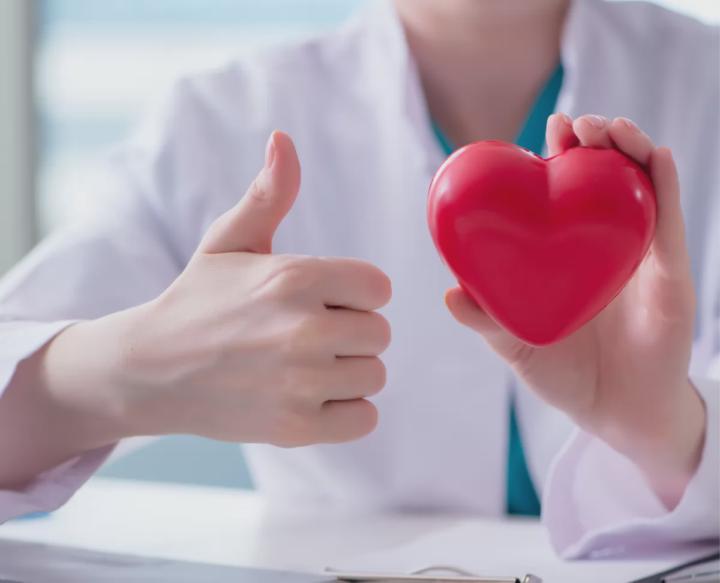
THE BODY FEELS EVERYTHING ✨
And it responds not only through appearance, but through how you feel inside it remembers undereating and rushing, mindless snacking and attempts to silence fatigue with coffee or sweets, showing it not just in the numbers on the scale, but in your energy levels, your mood, and your desire to live this day.And at some point, what matters is no longer how you look in the mirror, but how you live in your body.Because that’s the moment when the struggle ends and a different life begins 💫
0
0
10d •
Skinny fat
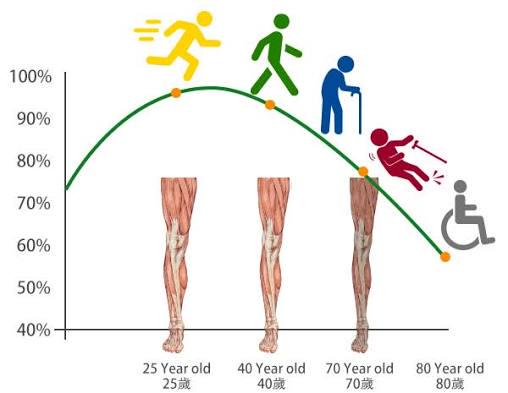
Sarcopenia isn’t just an “aging problem.” More and more young people are already at risk — especially those with sedentary lifestyles, low protein intake, and little to no strength training. Sarcopenia is the gradual loss of muscle mass and strength. And it affects far more than just how your body looks. What actually happens: — your body loses tone and becomes “soft,” even at a normal weight — facial structure changes: less support for the skin, faster visible aging — energy levels and endurance drop — metabolism slows down — risk of insulin resistance increases — posture worsens, joints take more stress — higher risk of injuries and chronic back pain This is where the “skinny fat” phenomenon comes in — when someone looks slim but has a high body fat percentage and low muscle mass. The body may appear small, but it lacks strength, tone, and metabolic health. Why it matters: “Skinny fat” is not just about aesthetics — it’s a health issue. It’s often linked to: — metabolic dysfunction — increased risk of cardiovascular disease — reduced insulin sensitivity — chronic fatigue and low resilience The good news: this is reversible. Muscle is not just for appearance — it’s a key organ that influences your metabolism, longevity, posture, and even how your face ages. What helps: — resistance (strength) training — adequate protein intake — daily movement (not just workouts) — focusing on body composition, not just weight A strong body isn’t just about looking fit — it’s about staying energetic, resilient, and healthy for years to come.
0
0
14d •
The Dark Side of Discipline During Life Transitions
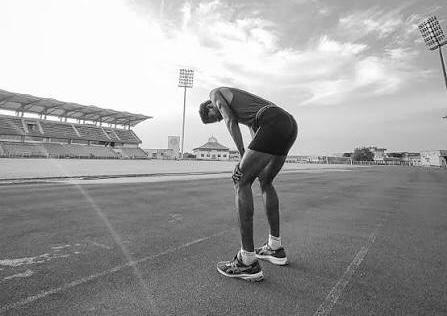
There’s a quiet danger hidden inside life transitions — the so-called “midlife crises” at 30, 40, or 50. They don’t always look dramatic. Sometimes, they look like motivation. Like discipline. Like a sudden obsession with becoming “better.” People start training harder. Setting ambitious goals. Chasing the version of themselves they feel they’ve lost or never reached. And at first glance, it looks admirable. But here’s the problem: many begin to treat themselves like professional athletes — without understanding what that actually means. A real athlete doesn’t just train hard. They recover strategically. They follow structured cycles: periods of intense work followed by deliberate rest. Their performance is monitored. Their bloodwork is checked regularly. Their body is not just pushed — it is studied, understood, and protected. For them, sport is not a temporary escape from a life crisis. It’s a lifelong system. In contrast, during personal crises, people often: — ignore recovery — push through pain and fatigue — train inconsistently but intensely — neglect medical check-ups — chase results instead of building sustainability This leads not to transformation — but to burnout. Overtraining is real. Chronic fatigue, hormonal imbalance, injuries, and emotional exhaustion are not signs of weakness — they are signs of misalignment. The truth is: you are not competing in a championship. You are building a life. Sport can absolutely be a powerful tool during difficult periods. It can ground you, stabilize your mood, and restore a sense of control. But only if it’s approached with awareness. Not every crisis needs intensity. Sometimes it needs patience. Sometimes it needs rest. Sometimes it needs curiosity toward your own body, not pressure against it. Growth doesn’t come from punishing yourself into a new identity. It comes from learning how to work with yourself — not against. Take care of your body not as a project to fix, but as a system to understand.
16d •
Why is weight not decreasing? 🤔
Many people believe the problem lies within them and their body, but for most of my clients the cause is something completely different — factors that often go unnoticed 👇 1 — adaptation of the body 🧠 If the body is used to a certain level of activity, progress stops. Or, on the contrary, if you live in constant stress, the body switches into “energy-saving mode” 💤 2 — nutrient deficiencies and excessively low calorie intake 🍽️ Very strict diets do not speed up fat loss; they slow it down. The body simply does not have the resources to function at its best ⚖️ 3 — low activity and lack of water 🚶♂️💧 Even regular workouts cannot compensate for a sedentary lifestyle, and without water all processes in the body slow down. 4 — too little protein in the diet 🥚🍗 Protein means muscles, recovery, metabolism. Without it, the body starts saving resources on the most important functions 💪 5 — hidden fats in meals 🍔🥫 Sauces, ready-made dishes, restaurant additives — these are what often add hundreds of extra calories every day 😳 6 — strict prohibitions 🚫😣 The more things are “not allowed,” the stronger the internal resistance becomes. Chronic stress blocks the fat loss process 🧘♀️ 7 — a tense, “tight” body 🧍♂️⚡ Tight muscles, poor blood circulation, swelling, lack of recovery — and excess weight quite literally gets “stuck” in the body 🧊
0
0

1-12 of 12