Activity
Mon
Wed
Fri
Sun
Jul
Aug
Sep
Oct
Nov
Dec
Jan
Feb
Mar
Apr
May
Jun
What is this?
Less
More
Memberships
Japanese Language Learners
383 members • Free
43 contributions to Japanese Language Learners

Feb 17 •
What's Happening in Japan - Chinese New Year?
Chinese New Year used to cause a spike in tourism in Japan, but this year numbers seem to be way down. What's happening in Japan? Watch and learn from reading the news!

4 likes • Feb 17
I really like these videos. Probably my favorite ones to watch.
Feb 16 •
📝 今週の日記(Weekly Diary)
✏️ Goal: Write a short diary entry in Japanese 🗒️ Mini-lesson: Looking forward to something 🧠 Mini Lesson: 楽しみにしています In Japanese, “I’m looking forward to ___” is often expressed using: 楽しみにしています tanoshimi ni shiteimasu Pattern: Noun / Event + を楽しみにしています This literally means “I am keeping ___ as something enjoyable.” ✅ Beginner / N5 (with romaji + English) この間、フットサルのくつを買いました。 Kono aida, futtosaru no kutsu o kaimashita. The other day, I bought new futsal shoes. 私はフットサルをするのが好きです。 Watashi wa futtosaru o suru no ga suki desu. I like playing futsal. 新しいくつはぴったりでした。 Atarashii kutsu wa pittari deshita. The new shoes were a good fit. でも、速く走れませんでした。 Demo, hayaku hashiremasen deshita. But they didn’t help me run faster. がんばって、ゴールをいくつか決めました。 Ganbatte, gōru o ikutsuka kimemashita. I tried my best and scored some goals. 次の試合を楽しみにしています。 Tsugi no shiai o tanoshimi ni shiteimasu. I look forward to the next match. ✅ N3 Version この間、フットサル用の新しいシューズを買いました。 フットサルをするのが好きなので、新しいシューズを使うのが楽しみでした。 サイズはぴったりでしたが、残念ながら走る速さはあまり変わりませんでした。 それでも一生懸命プレーして、いくつかゴールを決めることができました。 次の試合をとても楽しみにしています。 🫵 Your Turn Write 3–5 sentences about something you’re looking forward to. You can use: 楽しみにしています 好きです しました Example: 来週の旅行を楽しみにしています。 Short and simple is perfect 😊

2 likes • Feb 16
先々週僕の膝を痛いでしたから、二週間でスケートボードしませでした。でも、今ひざがいいです。今週末はスケートボードを楽しみにしています。
Feb 6 •
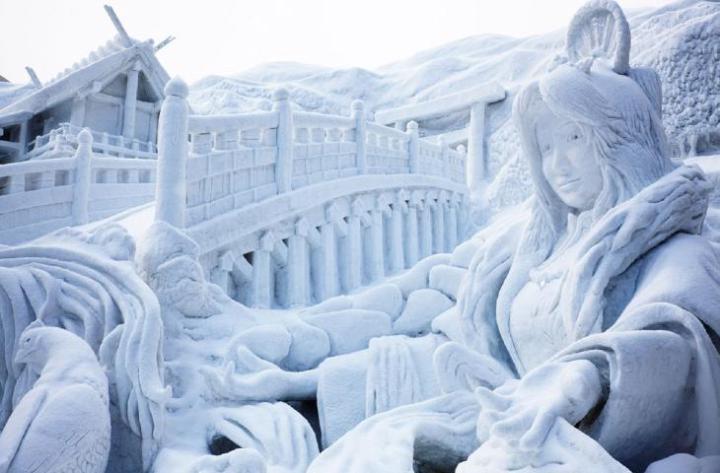
🇯🇵✨ Japan Fact Friday — さっぽろ雪まつり
Today’s fact takes us to Japan’s winter capital: Sapporo. ❄️ Japan Fact Friday — The Sapporo Snow Festival On this day in 1950, local high school students in Sapporo built a few large snow statues in Odori Park. They weren’t planning to start a national event — they were just playing in the snow. But people loved it. That small community activity grew into the Sapporo Snow Festival (さっぽろ雪まつり) — now one of Japan’s most famous winter events. Every February, millions of visitors come to see: ⛄ giant snow sculptures 🏯 detailed ice castles and famous landmarks 💡 nighttime illuminations 🍜 hot winter food stalls Some sculptures are over 15 metres tall and require teams working for weeks. Today, the festival is known around the world — but it began with students, creativity, and community spirit. 🧠 Why This Matters This reflects something important in Japanese culture: small local traditions can grow into something meaningful through consistency, craftsmanship, and community participation. It’s also very “Japanese” that something temporary — snow — can become something beautiful and memorable. 🫵 Your Turn Would you rather visit Japan in: ❄️ winter for the snow festivals 🌸 spring for cherry blossoms 🍁 autumn for the leaves 🏖️ summer for festivals and fireworks? Answer in English or Japanese 😊
2 likes • Feb 6
夏祭りと花火をみたいです。楽しそう。
Jan 30 •
🇯🇵✨ Japan Fact Friday - Chopsticks
This week’s fact is about something simple that carries deep meaning in Japan: chopstick etiquette. At first glance, chopstick manners might look just like “rules”… But in Japan, they’re really about respect, memory and relationships. 🥢 Japan Fact Friday — Chopsticks & Meaning Chopsticks (箸・はし) are everyday tools in Japan, but how you use them matters just as much as what you eat. Here are a few common manners — and what they truly mean: ❌ Sticking chopsticks upright in rice This is only done at funerals as an offering to the dead. Doing this at the table reminds people of death — so it’s deeply uncomfortable. ❌ Passing food from chopsticks to chopsticks This mirrors a funeral ritual where bones are passed after cremation. Even if the intention is kind, the association is very strong. ❌ Pointing with chopsticks This can feel aggressive or rude — like pointing a finger at someone. ❌ Digging through dishes to “search” for foodCalled saguri-bashi, it suggests impatience or selfishness. ✅ Placing chopsticks neatly when not eatingThis shows care, calmness, and consideration for others. 🧠 The Deeper Meaning These manners aren’t about being strict or formal — they reflect core Japanese values: • respect for others• awareness of shared space• remembering ancestors and tradition• harmony at the table Even small actions communicate who you are. ✨ Why This Matters for Learners Understanding manners helps you understand the culture — not just the language. And honestly? Japanese people don’t expect perfection… they appreciate awareness. 🫵 Your Turn Which chopstick rule surprised you the most? Have you ever worried about making a chopstick mistake in Japan? Can you use chopsticks? Answer in English or Japanese 😊

3 likes • Feb 5
Thank you for sharing that with us. You have my respect.
Feb 2 •
📝 今週の日記(Weekly Diary)
✏️ Goal: Write a short diary entry in Japanese 🗒️ Topic: A good day ✅ Beginner 今日、高校で日本語を教えました。 Kyō, kōkō de Nihongo o oshiemashita. Today, I taught Japanese at high school. 今年の新しい生徒にたくさん会いました。 Kotoshi no atarashii seito ni takusan aimashita. I met many new students. 生徒はとても熱心でした。 Seito wa totemo nesshin deshita. The students were very enthusiastic. 日本語を学ぶ楽しさを、みんなと分かち合いたいです。 Nihongo o manabu tanoshisa o, minna to wakachiaitai desu. I want to share the fun of learning Japanese with everyone. 高校生は時々失礼なこともあります。 Kōkōsei wa tokidoki shitsurei na koto mo arimasu. Sometimes high school students can be rude. でも、今日はとても良い日でした。 Demo, kyō wa totemo yoi hi deshita. But today was a very good day. ✅ Advanced 今日は高校で日本語を教え、今年初めて多くの新しい生徒たちに会いました。 みんなとても前向きで、学ぶ意欲が感じられました。 日本語を学ぶ楽しさや、自分の情熱をこれから共有していけることが楽しみです。 高校生は時々、失礼だったり思いやりに欠けることもありますが、 今日はそれ以上に前向きなエネルギーを感じる一日でした。 🫵 Your Turn Write 3–5 sentences about your day. You can start with: 今日、___をしました。 ___は___でした。 とても良い日でした。 Short and simple is perfect 😊 Post your diary below — I’ll give feedback.

1 like • Feb 4
今日、シャドウイングを練習しました。たのしかったです。朝ご飯はヨーグルトをたべました。美味しかったです。午後は『浦島太郎』という日本の本を読みたいです。
1-10 of 43

@jordan-keener-1390
Rebel skateboarder living life on the razors edge.
Active 34d ago
Joined Oct 3, 2025
Powered by