Activity
Mon
Wed
Fri
Sun
May
Jun
Jul
Aug
Sep
Oct
Nov
Dec
Jan
Feb
Mar
Apr
What is this?
Less
More
Memberships
Defend Yourself
357 members • Free
25 contributions to Defend Yourself
2 likes • 4d
I think mainly because it is not taught…and if it is taught…it’s taught poorly.
6d •
Focus for the week ( ? )
This week I’d like to hear from you all what you will be focusing on. Some principle? A technique you want to master? Staying calm under pressure? Let us know in the comments.
6 likes • 6d
I’m thinking escaping bad positions without using the upper extremities. Only using them for self protection….blocking wayward elbows, knees, etc.
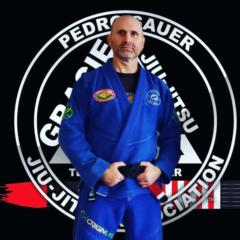
3 likes • 11d
[attachment]
2 likes • 11d
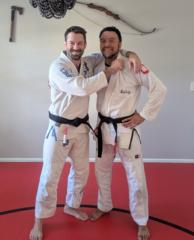
@Jj Montes that was at James’ seminar.
22d •
Please share an "aha moment"
Can you share a technique or concept that you have learned from Professor James that has made a huge impact in your jiu jitsu or your thinking about jiu jitsu? I have 3 that I will share but first I want to hear what others in the group have. Thank you
3 likes • 14d
The knee shield / half guard concept of pushing with knee shield and pulling with bottom leg to create an off balancing type of tension on your opponent. It’s good stuff.
Mar 3 •
Dream private lesson
If you could have a private lesson with anyone alive or dead, who would it be? You get a 2 hour lesson and lunch afterward. Pick one or add yours in the comments.
Poll
29 members have voted
3 likes • Mar 6
Man! When Helio came to Pedro Sauer’s academy in SLC…I was young and stupid. I thought…I’ll catch him next time he comes to town. I’ve regretted not going since that night. That’s why when Pedro opened his Virginia Academy and had Rickson doing a seminar, I had to go. I didn’t want to make that mistake again.
1-10 of 25
@jim-dieckman-4020
I train at Framework BJJ in Indian Harbour Beach, Florida.
Active 4d ago
Joined Oct 18, 2025
Powered by