Activity
Mon
Wed
Fri
Sun
Sep
Oct
Nov
Dec
Jan
Feb
Mar
Apr
May
Jun
Jul
Aug
What is this?
Less
More
Owned by Gabe
Former restaurateur and sommelier. I look at businesses online like a real guest—where trust fades, decisions stall, and things quietly go wrong.
Wine Ambassador Community
694 members • $7/month
The ADHD Coach
127 members • Free
Free Skool Course
71.4k members • $1
10 contributions to Track&Taste|Help Before Fixes?

Jan 21 •
How This Community Works
Track & Taste is about real cooking and real wine, without noise or snobbery. What you’ll find here: - Simple dishes done well - Smart wine pairings (explained, not flexed) - Real experience from real kitchens - Questions > opinions - Curiosity > perfection How to join in: - Share what you cooked - Ask what to pair - Post photos, not pressure - There are no “dumb” questions here What this is not: - No hype - No ego - No pretending One dish. One bottle. Let’s talk about why it works.
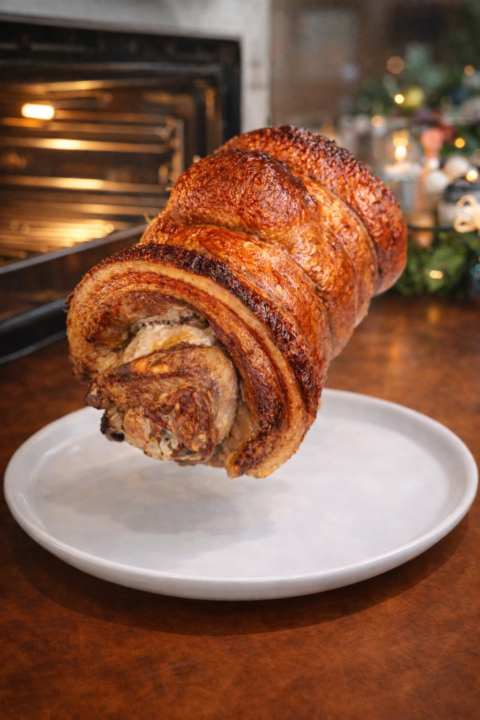
1 like • Jan 27
@Dax Willsen something what is taken from your life and inspiration for you to make a video out of it.
1 like • Jan 27
@Dax Willsen you mean Hungarian?
Jan 21 •
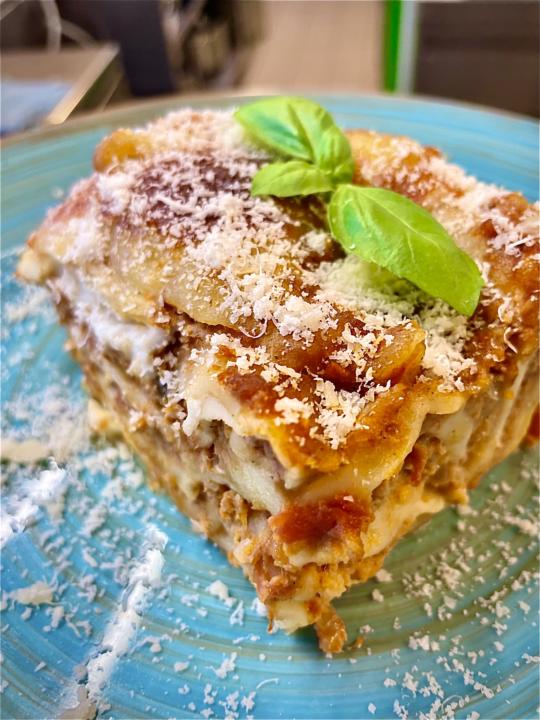
Lasagne with a Valpolicella Ripasso
Food: classic meat lasagne – bright tomato acidity – richness from the minced meat – creamy béchamel – baked, lightly caramelized top Wine: Valpolicella Ripasso (Verona) – medium body – lively acidity – depth from dried-fruit notes – tannins that are present but not aggressive Why the pairing works: – the acidity stands up to the tomato sauce – the tannins support the richness of the meat – the Ripasso’s depth adds character without overpowering the dish This isn’t about “special-occasion fine dining.” It’s a reliable, comfortable pairing that works just as well at home as it does at the table with friends.
1 like • Jan 27
@Dax Willsen you have right, and this is made with pelati.
Jan 26 •
Most people don’t leave because they dislike what they see.
They leave because they can’t decide. Online hesitation is rarely emotional drama. It’s quiet. Invisible. Rational. Something feels almost right — but not clear enough to trust with time or money. In those first seconds, people aren’t asking: “Is this impressive?” They’re asking: - Do I get this? - Is this meant for someone like me? - What happens if I take the next step? If the answers don’t form naturally, momentum breaks. No argument. No rejection. Just pause — and exit. This is why I don’t look for what’s missing. I look for where clarity collapses. Because before growth, optimisation, or fixes — there has to be a decision. And decisions only happen where things feel clear enough to trust.
1 like • Jan 26
@Dax Willsen hopefully not.
Jan 24 •
Is a community just a niche — or something more?
An honest question — really for you. If we had to solve one single thing together in this group right now: - What’s the one thing that’s most on your mind — even outside food and wine? - Where would real conversation or perspective actually help? - What do you hope this community gives you in the coming weeks? A more personal one: - Why did you choose Skool? - And within that — why did you choose this group / me? We all come from different backgrounds, experiences, and life situations. This space isn’t only about a niche — it’s about people. So here’s an important clarification: This isn’t about expecting solutions or fixing everything. It’s about whether we can leave space for each other — to ask real questions, get thoughtful reactions, and talk things through like adults. And one last, very practical question: - Is there something you’d like to talk through, get feedback on, or ask advice about — even if it doesn’t perfectly fit the niche? If you’ve been quiet so far, this question is especially for you. What we build here should be shaped by real needs, real conversations, and real people — not assumptions.
1
0

Jan 23 •
Beyond Recipes: Food That Thinks in Wine Pairings
exciting would it be if cooking also came with thoughtful wine pairings? Not guessing by flavors, but combinations that actually work at the table. 👉 I’m curious about you: - What specific dish or recipe idea would you like to prepare and get a wine recommendation for? - Would this be for a casual dinner with friends, a family meal, or hosting guests? - Would you prefer one single, iconic food–wine pairing, or a complete wine lineup with a matching selection of dishes? - 🎯 The goal is to create pairings that surprise your guests and elevate the experience, even without fine dining or expensive ingredients. Share your ideas below — we’ll build from there together.
1 like • Jan 24
Wine & Food Pairing: Structure Over Rules One of the biggest mistakes in food–wine pairing is that we tend to think in flavors, not in structure. We’re taught simple rules: white wine with white meat red wine with red meat But real cooking rarely follows rules — it follows sauces, textures, and techniques. In practice, what matters most is: - acidity ↔ acidity - fat ↔ acidity or tannin - texture ↔ texture If these don’t align, even a great wine and a great dish can clash. Take beef stroganoff as an example. Yes, it’s red meat — but it’s also a cream-based dish. The sauce softens everything. The structure becomes rounder, richer, less aggressive. In that case, I’d often choose: - a barrel-aged Chardonnay on bâtonnage, - or a full-bodied, high-acid Riesling — even with a touch of residual sugar, like a Mosel style, - sometimes even a fruit-driven Sauvignon Blanc from Stellenbosch. The wine needs acidity and body, not tannin dominance. Red wine, on the other hand, rarely works well with white meats or delicate poultry — unless the preparation supports it. Duck breast is a good exception, especially when served with a fruit-based compote or reduction, ideally prepared with a wine of similar quality. In those cases, a lighter, elegant red can work. For spicy dishes, the answer is almost always freshness: - crisp white wine - Prosecco - Champagne Alcohol and tannin amplify heat — acidity calms it. Where Rosé Fits In Rosé is often misunderstood. It’s not a compromise — it’s a bridge. Rosé sits between white and red not only in color, but in structure: - enough acidity to handle fat - enough body to support seasoning - lighter tannins that don’t overwhelm That’s why rosé works so well with mixed dishes: poultry, pork, grilled vegetables, pizza, tomato-based sauces, even lightly spiced foods. In Central Europe, darker rosé styles — often called Schiller — are enjoyed chilled, sometimes even with soda in summer. Not because they’re simple, but because they’re flexible and food-friendly.
1-10 of 10

@gabe-mihok-1125
Track&Taste
I help owners see where trust breaks and decisions stop online — before they spend more money on the wrong fixes
Where do you need help?
Active 197d ago
Joined Dec 11, 2025