Activity
Mon
Wed
Fri
Sun
Mar
Apr
May
Jun
Jul
Aug
Sep
Oct
Nov
Dec
Jan
What is this?
Less
More
Memberships
HolisticAmerican-HealthAcademy
3.4k members • Free
Patrick's Wellness Collective
65 members • Free
The Potted Garden Society
1.7k members • Free
CashFlow LIVE
1k members • Free
𝙂𝙊𝙊𝙎𝙄𝙁𝙔 🍓🐛🦋🌈⭐️🩷
10.4k members • Free
Mohr Natural
404 members • $10/month
Living Soil Community
1.2k members • Free
Shrink Rap
1k members • Free
Holistic Product Tester Group
29.6k members • Free
252 contributions to Holistic Product Tester Group

5d •
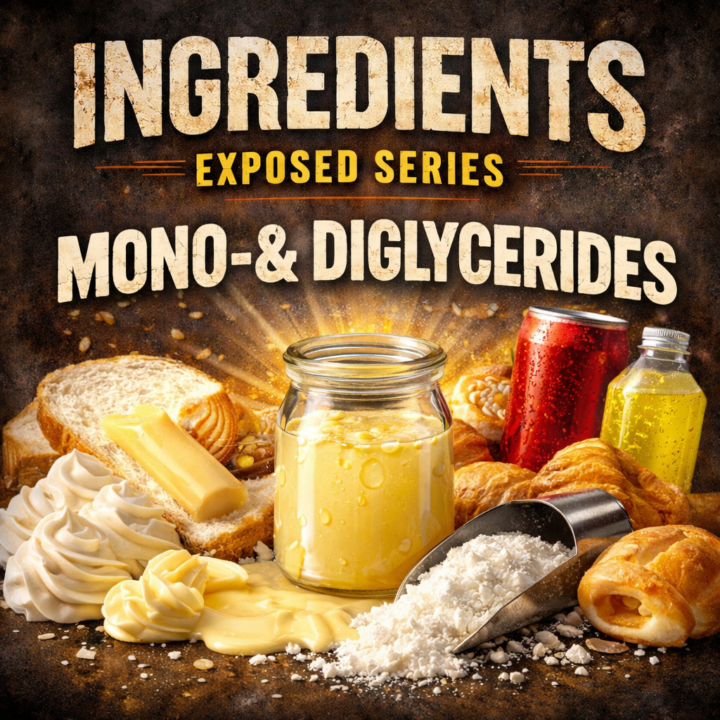
Ingredients Exposed Series: Mono- & Diglycerides
The "Simple Fats" Hiding Trans Fats and Industrial Processing What sounds like basic, harmless fats in your bread and ice cream are actually industrial emulsifiers that can contain hidden trans fats outside of labeling requirements. "Mono- and diglycerides" aren't natural food ingredients, they're chemically processed fat derivatives created through industrial reactions that can deliver the same artery-clogging trans fats that were supposedly banned, all while flying under the regulatory radar. 𝗪𝗵𝗲𝗿𝗲 𝗬𝗼𝘂'𝗹𝗹 𝗙𝗶𝗻𝗱 𝗧𝗵𝗲𝘀𝗲 "𝗦𝗶𝗺𝗽𝗹𝗲 𝗙𝗮𝘁𝘀" Mono- and diglycerides (listed as mono- and diglycerides, monoglycerides, diglycerides, or E471) are lurking in products throughout your kitchen: • Bread, rolls, buns, and bagels • Ice cream and frozen desserts • Margarine and butter spreads • Peanut butter and nut spreads • Baked goods and pastries • Coffee creamers and whipped toppings • Cake mixes and frostings • Protein bars and meal replacements • Chewing gum and candy • Processed meats and sausages • Salad dressings and mayonnaise • Shortening and cooking sprays 𝗪𝗵𝗮𝘁 "𝗠𝗼𝗻𝗼- & 𝗗𝗶𝗴𝗹𝘆𝗰𝗲𝗿𝗶𝗱𝗲𝘀" 𝗔𝗰𝘁𝘂𝗮𝗹𝗹𝘆 𝗔𝗿𝗲 Mono- and diglycerides are synthetic emulsifiers created through industrial chemical processing of fats and oils. The manufacturing process: • Start with vegetable oils (often GMO soy, corn, or cottonseed) • Glycerolysis - reacting fats with glycerin at high temperatures (200-250°C) • Chemical catalysts - using alkaline catalysts like sodium hydroxide • Molecular rearrangement - breaking down triglycerides into mono- and diglycerides • Distillation and purification - separating desired products • Potential hydrogenation - creating trans fat configurations The hidden trans fat problem: • During processing, some fatty acids convert to trans configurations • Products can contain up to 2% trans fats without disclosure • "0g trans fat" labels are legal if trans fat is below 0.5g per serving • Multiple servings = significant trans fat intake • No requirement to test or disclose trans fat content in mono- and diglycerides

1 like • 1d
@Ana Suri ha, the fda is entirely useless as is. We have only ourselves to do the research and rely on.
3 likes • 1d
The best thing you can do is ignore the fda and research yourself on anything you put in your body.
3d •
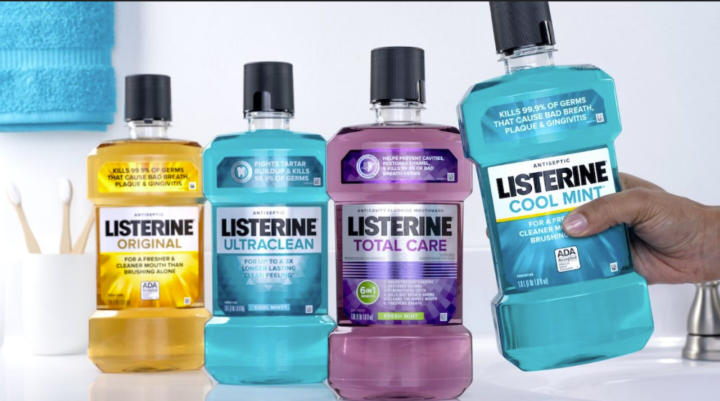
The Toxic Truth: What's Really in Your Listerine and Scope Mouthwash?
The "germ-killing" daily habit that's destroying your oral microbiome and causing the problems it claims to fix Every day, millions of people swish Listerine or Scope, trusting the promise of "kills 99.9% of germs" and long-lasting fresh breath. Since Listerine's introduction in 1879 as a surgical antiseptic (and later marketed for everything from dandruff to gonorrhea before finding its niche in oral care), these brands have dominated bathroom cabinets with claims of superior gum health and cavity prevention. People feel responsible and clean when they burn through that 30-second rinse, believing they're fighting bacteria and protecting their teeth. But what if the very product you're using to "kill germs" is actually decimating beneficial bacteria, creating dry mouth that worsens bad breath, staining your teeth, and disrupting the delicate oral ecosystem that protects against disease? Behind the clinical language and "dentist recommended" claims lies a disturbing reality: you're paying to destroy your mouth's natural defenses with harsh antiseptics that create a cycle of dependency. 𝗧𝗵𝗲 𝗠𝗮𝗿𝗸𝗲𝘁𝗶𝗻𝗴 𝗗𝗲𝗰𝗲𝗽𝘁𝗶𝗼𝗻: 𝗛𝗼𝘄 𝗠𝗼𝘂𝘁𝗵𝘄𝗮𝘀𝗵 𝗕𝗿𝗮𝗻𝗱𝘀 𝗠𝗮𝗱𝗲 𝗗𝗲𝘀𝘁𝗿𝘂𝗰𝘁𝗶𝗼𝗻 𝗦𝗲𝗲𝗺 𝗟𝗶𝗸𝗲 𝗛𝘆𝗴𝗶𝗲𝗻𝗲 Listerine and Scope's most insidious marketing strategy is exploiting social anxiety about bad breath while making antimicrobial warfare in your mouth seem like essential daily care. • 𝗞𝗶𝗹𝗹𝘀 𝟵𝟵.𝟵% 𝗼𝗳 𝗴𝗲𝗿𝗺𝘀 sounds protective but ignores that your mouth needs beneficial bacteria for immune function, digestion, and oral health. It's like carpet-bombing your gut microbiome. • 𝗙𝗶𝗴𝗵𝘁𝘀 𝗴𝗶𝗻𝗴𝗶𝘃𝗶𝘁𝗶𝘀 claims mask the fact that alcohol-based mouthwashes can actually irritate gums and the antiseptics disrupt the bacterial balance that protects gum tissue • 𝗙𝗿𝗲𝘀𝗵 𝗯𝗿𝗲𝗮𝘁𝗵 𝗳𝗼𝗿 𝗵𝗼𝘂𝗿𝘀 is achieved through intense flavoring that masks odor temporarily while the alcohol creates dry mouth that worsens bad breath long-term • 𝗗𝗲𝗻𝘁𝗶𝘀𝘁 𝗿𝗲𝗰𝗼𝗺𝗺𝗲𝗻𝗱𝗲𝗱 transfers professional authority to products that many progressive dentists now warn against for daily use
1 like • 1d
@Ana Suri I did too. Toothpaste and mouthwash just didn't work for me and had fluoride.
4 likes • 1d
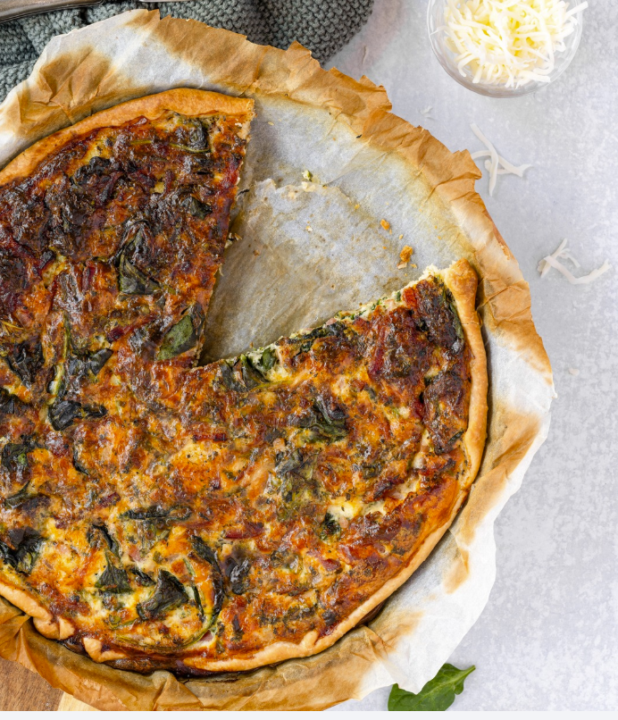
I've used coconut flour and almond flour to make my own crust but they just didn't hold up to my taste for pastries. So I started just going without the pie shell part and using a small amount of low carb pizza sauce to cover the bottom of the pan. It works great that way. I love making quiche and pizza pie this way.
2d •
TAKE ACTION: Love Shouldn’t Be Toxic: Regulate Pesticides on Flowers
As Valentine’s Day approaches, millions of people will give flowers as a symbol of love without realizing that those bouquets may be coated in toxic pesticides. Unlike food, flowers are not regulated for pesticide residues, meaning there is no limit to how much poison can be left on a single bouquet, including chemicals banned on food crops. Unregulated flowers put farmworkers and florists at serious risk, with exposures linked to cancer, birth defects, and long-term illness. From flower farms in Kenya and Colombia to florist shops in the U.S., workers report devastating health impacts while companies evade accountability. Love shouldn’t come at the cost of workers’ lives. Please sign this alert and tell Congress to begin regulating pesticides on flowers! When traditions rely on harmful practices, sustainability doesn’t always mean finding a better version of the same thing; sometimes it means opting out. Valentine’s Day offers an opportunity to reimagine what a meaningful gift looks like, especially in places where ethical, organic flowers aren’t available, and the more responsible choice may be to skip flowers entirely in favor of gifts that align with our values . Choose Valentine’s gifts that reflect care for people, workers, and the planet READ: “Deaths and Illness from Unregulated Pesticide Residues on Flowers” by Alexis Baden-Mayer

5 likes • 1d
@John Oshua that is amazing!
1d •
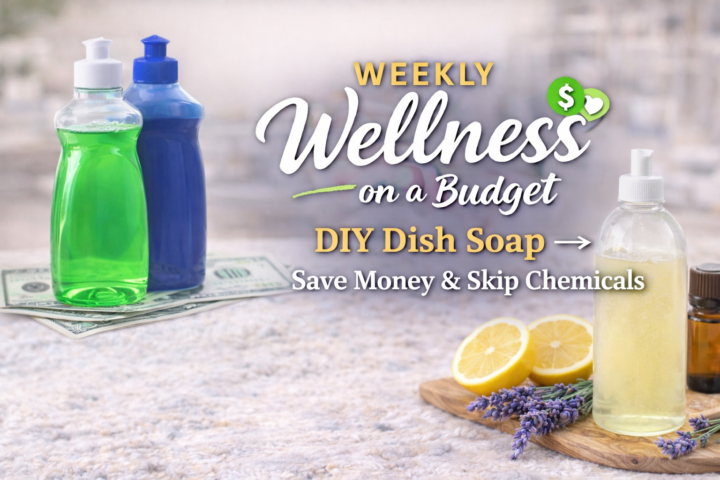
💸 Wellness on a Budget: DIY Dish Soap → Save Money & Skip Chemicals
𝗧𝗵𝗲 𝗖𝗵𝗲𝗺𝗶𝗰𝗮𝗹 𝗗𝗶𝘀𝗵 𝗦𝗼𝗮𝗽 𝗧𝗿𝗮𝗽 🚫 Many popular dish soaps like Dawn are effective at cleaning, but they often contain harsh chemicals that can be harmful for your health and the environment: * 𝗣𝗵𝗼𝘀𝗽𝗵𝗮𝘁𝗲𝘀 – can contribute to water pollution * 𝗣𝗲𝗿𝗳𝗼𝗿𝗺𝗲𝗱 𝗰𝗵𝗲𝗺𝗶𝗰𝗮𝗹 𝘀𝘂𝗿𝗳𝗮𝗰𝘁𝗮𝗻𝘁𝘀 – can irritate skin and eyes * 𝗔𝗿𝘁𝗶𝗳𝗶𝗰𝗶𝗮𝗹 𝗳𝗹𝗮𝘃𝗼𝗿𝘀 / 𝗰𝗼𝗹𝗼𝗿𝗮𝗻𝘁𝘀 – unnecessary chemicals ➡️ 𝗧𝗵𝗲 𝗿𝗲𝗮𝗹𝗶𝘁𝘆: You don’t need toxic chemicals to get your dishes clean. A simple DIY dish soap is safer, eco-friendly, and costs far less. 𝗗𝗜𝗬 𝗡𝗮𝘁𝘂𝗿𝗮𝗹 𝗗𝗶𝘀𝗵 𝗦𝗼𝗮𝗽 🧼 This gentle, natural soap cleans effectively without harsh chemicals: * 𝗖𝗮𝘀𝘁𝗶𝗹𝗹𝗲 𝘀𝗼𝗮𝗽 – plant-based, biodegradable * 𝗕𝗮𝗸𝗶𝗻𝗴 𝘀𝗼𝗱𝗮 – removes grease and odors * 𝗘𝘀𝘀𝗲𝗻𝘁𝗶𝗮𝗹 𝗼𝗶𝗹𝘀 (optional) – lemon, orange, or lavender for scent 𝗗𝗜𝗬 𝗥𝗲𝗰𝗶𝗽𝗲 🧪 Ingredients (for 16 oz bottle): * 1 cup liquid castile soap * 1 tbsp baking soda * 10–15 drops essential oil (optional) * 1 cup warm water Instructions: * Mix all ingredients in a bottle and shake well * Use 1–2 tsp per dishwashing session * Store in a cool, dry place ⏱ 𝗧𝗶𝗺𝗲 𝘁𝗼 𝗺𝗮𝗸𝗲: 5 minutes 𝗖𝗼𝘀𝘁 𝗦𝗮𝘃𝗶𝗻𝗴𝘀 💵 * DIY: ~𝗦$0.10 per bottle * Commercial dish soap: 𝗦$3–$5 per bottle * Cost savings per bottle: ~𝗦$2.90–$4.90 * Annual savings (1 bottle/week): ~$𝗦150–$250 💰 𝗠𝗶𝗻𝗱-𝗯𝗹𝗼𝘄𝗶𝗻𝗴 𝘁𝗮𝗸𝗲𝗮𝘄𝗮𝘆: You can clean all your dishes safely, save money, and skip toxic chemicals every day.
5 likes • 1d
Sounds better than what I tried to make before. The recipe I had found used citric acid, baking soda, salt and borax. It didn't clean so well and left a white film on everything. I'll definitely give this one a try.
1-10 of 252

@carla-giddeons-6433
I'm trying to live a more healthy lifestyle. I'm learning about natural ways to address health care and I'm excited! Herbs are the way to go!
Active 28m ago
Joined Aug 21, 2025
Alabama
Powered by