Activity
Mon
Wed
Fri
Sun
Feb
Mar
Apr
May
Jun
Jul
Aug
Sep
Oct
Nov
Dec
What is this?
Less
More
Memberships
The Anthem Network
40 members • $10/month
Tradesmen roundtable
7 members • Free
METAL LAB
98 members • Free
Worship Guitar Mastery
137 members • $6/month
The Practice Room
1k members • Free
Welding/Fab SKOOL
296 members • Free
11 contributions to METAL LAB

2d •
Thanks for adding me!
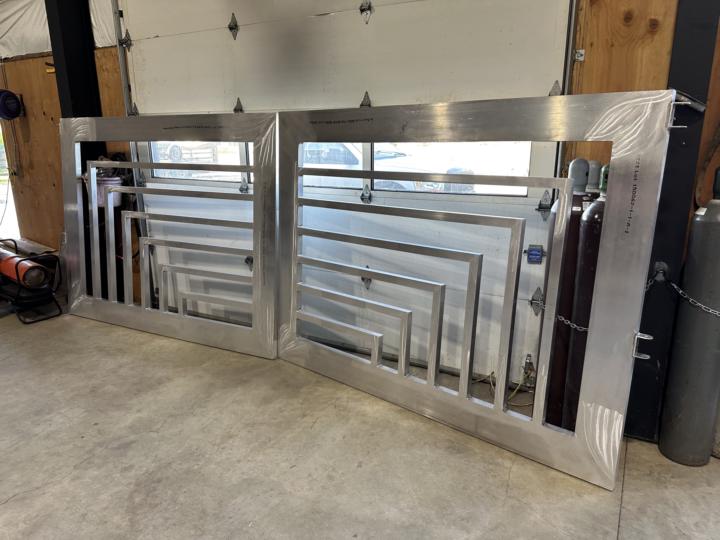
Picture of some aluminum gates I did recently. I’m one of the odd welders who prefers aluminum over anything else.
1 like • 5h
Welcome!

18d •
MiG settings explained
So I’m here to tell you that there is no magic setting to make your mig machine run smoothly well there actually is but it’s dependent on you as a welder things that influence your settings and control how your machine runs are variables like material thickness the thicker it is the hotter we gotta go also travel speed some of us weld faster and can burn hotter on thinner materials some of us are slower and we gotta burn colder due to how fast we weld I’ve noticed that not a lot of companies provide a wps or were welding at home or on our own jobs and there’s no wps written well if you ever run into a wps it will give you a minimum voltage for that particular weld to be made along with a ton of other important information but for those welding at home what should your machine settings be that’s again dependent on a few different things the things I already listed along with your wire electrode type, diameter and even position so for most MiG applications not including FCAW you will be using ER70S aka hard wire used on mild steel the proper setting should sound like a Geiger counter going off (YouTube that sound ) some people say frying bacon but a Geiger counter is a way more consistent and accurate depiction of how it should sound so basically what I’m saying is the machine most likely has a chart on the inside of the door that opens the compartment where the roll of wire goes and it should give you a starting point to adjust and fine tune from based on materials and their thicknesses these are generally high in wfs and sorta cold in voltage honestly I don’t even really pay attention to the numbers when tuning a machine I go off the sound and feel if it’s popping and running jumpy I want to either increase wire feed speed or decrease voltage because it’s either burning the electrode faster than it’s feeding it causing the jumps or it’s not burning it fast enough causing it to jump by pushing unmelted wire into the base material personally on1/16”- 1/4” materials and thinner I like to be in the 18.5 to 21 range with a wire speed from 260-335 but this is all dependent on what machine I’m using and everything else I’ve already talked about but here
1 like • 18d
Thank you!
2 likes • Nov '25
Happy Thanksgiving!@Matthew Albert and everyone!

Oct '25 •
Jer Schmidt 2x72 Belt Grinder Build
https://jerswoodshop.com/gen-2-belt-grinder/ I found this on YouTube and Jer is super smart, and this seems super well thought out, so I purchased the plans. I have a broken mini wood belt sander and a mini disk sander, and this seems like it will replace both and allow me to super easily copy my fastest wood workflow for metal, which is: 1. laserprint, 2: glue to material, 3. bandsaw rough shape, 4. sand to the lines. So I’ll post the project here as I go along. Note: I’m a hobbyist here, and I’ll definitely take a long while to work on this project, with gaps in between.
1 like • Nov '25
@Jason Felice lookin good
1 like • Nov '25
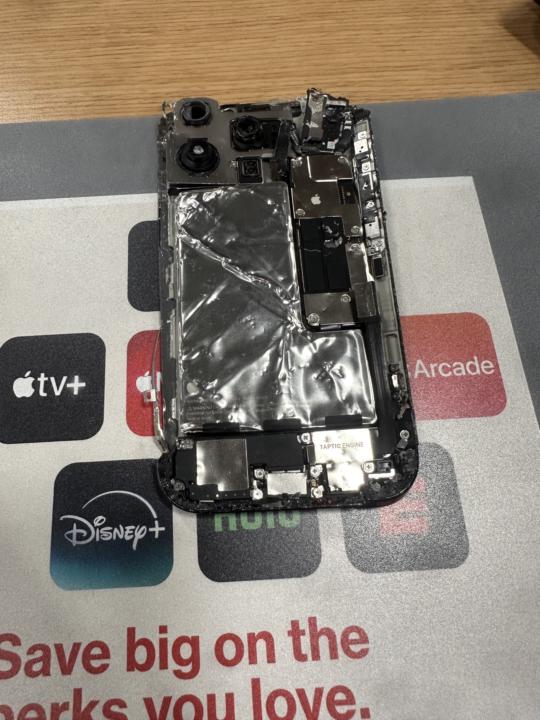
Thats not good!
1-10 of 11
@brantley-reeves-6931
Musician of 5 years! And sound engineer!
Love music, welding, riding dirtbikes, and hunting, and follower of Jesus Christ! 15yo
Active 1h ago
Joined Nov 2, 2025