Activity
Mon
Wed
Fri
Sun
Aug
Sep
Oct
Nov
Dec
Jan
Feb
Mar
Apr
May
Jun
Jul
What is this?
Less
More
Memberships
Lifewave Champion Makers Team
10.5k members • Free
Patch With Purpose
4.7k members • Free
Amy's Health Nest
325 members • Free
8 contributions to Amy's Health Nest

Feb 28 •
Christianity and Homeopathy
Mary and the team at 24/7 Homeopathy did a zoom with a speaker that did a great presentation on Christianity being Compatible with Homeopathy. https://attachments.convertkitcdnn2.com/1722315/24d0c916-22dd-434d-bf9c-f48b22bf7d9c/is-homeopathy-compatible-with-christianity-elisa-joulfaian-slides.pdf

1 like • Mar 5
hey amy this link doesn’t work for me. Is this on their YouTube channel?
Apr '25 •
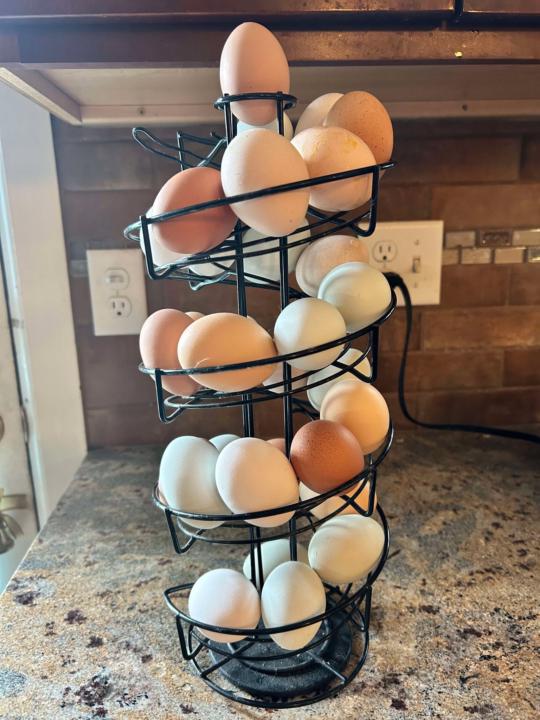
🌸🐣 Easter Egg-citement in Real Life! 🐣🌸
Let’s talk about something eggstra special this Easter... the eggs themselves! 🥚✨ My chickens are finally producing eggs again just in time for us to make our Passover Seder meal (yes we are late this year due to me being out of town) and Easter dinner. I love to make pickled eggs and eat them as a snack, quick breakfast or eggs salad wraps or sandwiches. I put pickled eggs in half gallon jars for easy access and to store a lot (egg crisis isn't an issue when you have your own eggs stored and chickens producing). This week, I even had some pickled eggs that I made last spring. If you've ever cracked open a farm-fresh egg from your backyard chickens, you know—there’s just no comparison. 🍳 Home-Raised Eggs vs. Store-Bought - Yolk Color & Nutrients: Deep orange yolks = higher in omega-3s, vitamin D, and antioxidants. - Taste: Richer, creamier, more flavorful. - Freshness: Straight from the coop = peak nutrition (store eggs can be up to 6+ weeks old!). - Control: You know what your chickens are eating and what are on their eggs (no detergents or cleaners) 🐛🌿 = better for your body. 🦆 Duck Eggs vs. Chicken Eggs - Size: Duck eggs are larger and creamier. - Protein: Slightly higher—great for baking or boosting nutrition. - Allergy Tip: Some people allergic to chicken eggs can eat duck eggs with no issue! - Flavor: Richer and more intense—some love it, some prefer chicken eggs. In the U.S., commercial eggs are washed and sanitized before being sold—but the process is more intense than most people realize. Here’s what happens: 🧼 What’s put on store-bought eggs? 1. Detergents or degreasers – Used to remove dirt, feathers, and bacteria. These are often alkaline and can strip the egg's natural protective coating (called the bloom or cuticle). 2. Sanitizing rinse – After washing, eggs are often sprayed with a chlorine rinse or another FDA-approved disinfectant to kill bacteria like salmonella. 3. Mineral oil (sometimes) – Some producers apply a thin layer of oil (usually odorless mineral oil) to replace the removed bloom and extend shelf life.
1 like • Apr '25
For the garlic in that a clove? My neighbor is sharing her homegrown eggs ☺️ with me. So thankful!
Jan '25 •
📢 "Super Grandma’s Secret: Keeping Her Grandkids Healthy with Homeopathy! 💪👶
Meet the super-grandmother who is raising two grandkids while running a busy home daycare! 🏡👵 With kids constantly bringing in germs, her grandkids stay healthier and recover faster than the others—thanks to homeopathy! 🌿✨ Watch as she shares her favorite remedies, success stories, and tips for keeping sickness at bay while caring for a house full of children. 👉 Want to know her secret? Hit play to learn how she uses homeopathy to build strong immune systems naturally! 🎥💚 One of our very own members @Alethea Koury, did a super short video on homeopathy. Her grandson, who is 10, edited this video and came up with a thumbnail. I love how she is passing on this vital info to the next generation teaching them these healthy life skills and her grandson is picking up video editing knowledge. Way to go both of you!
0 likes • Feb '25
Agreed! Just FYI the music made it hard to hear what you guys were saying. Did she say she used Nat Mur first before she talked about pulsatilla?
3 likes • Sep '24
It only let me choose one but I think making tinctures would be something they’d like too. Also learning sourdough and sauces.
1 like • Sep '24
Nice image to share, thanks!
1-8 of 8
@beth-michaloski-6402
Mom of 5, RN but homeschooled for 7 years and leaned on natural medicine for my family and am passionate about helping others use these modalities.
Active 3d ago
Joined Aug 15, 2024
Powered by