Activity
Mon
Wed
Fri
Sun
May
Jun
Jul
Aug
Sep
Oct
Nov
Dec
Jan
Feb
Mar
What is this?
Less
More
Memberships
Google Ads Masters
497 members • Free
Community Creators Club
6.3k members • Free
Hormone Secrets
1.9k members • Free
Hormone Secrets Unlocked
26 members • $17/m
233 contributions to Hormone Secrets

16h •
Dizzy!
What could be causing feelings of dizziness at bedtime? It doesn’t happen every night. I’m thinking it’s my meds because it always happens after I take them and after I’ve laid down but (usually) before I fall asleep. One time I did wake up to go pee and was dizzy so maybe I fell asleep before i could feel it. Maybe I’m usually asleep before the progesterone kicks in. I currently take 200mg of micronized progesterone with magnesium and L-the nine before bed. My Dr. did just approved me to bump up to 200mg from 100mg within the last month. I don’t remember having any dizziness before that. It almost feels like I’m drunk 😬 I don’t really feel nauseous so that’s good. I remember having to hold onto things as I walked to the bathroom the one time it happened after I woke up. Should I be concerned? I don’t ever feel dizzy in the morning or if I get up later at night like after 3 or 4 am.

1 like • 16h
Hi Katie 🤍 that does sound really unsettling, I’m sorry you’re dealing with that. Progesterone can have a sedating effect, and for some people it can feel almost like being “drunk” or off-balance, particularly shortly after taking it or when lying down. I would definitely bring this up with your prescribing doctor. They may want to adjust your dose, timing, or how you’re taking it so you’re not feeling this way. We do have patients who split up their dose between oral and suppository to make their progesterone more tolerable.
1 like • 16h
@Katie Soderling Of course! That could be a possibility.
21h •
Love It or Leave It: Supplements for Perimenopause & Menopause 🤍
Here are Kaylyn's opinions on some of the most common supplements you guys ask about for perimenopause & menopause support 👇🏻 ❌ Beef Organ Supplements: These are fine for vitamin & mineral support, but they aren’t a “cure-all” for perimenopause symptoms. ❌ Nello SuperBalance: I like Nello as a brand, and I don’t hate these ingredients. But I’m not a fan of any supplement that claims to ‘balance hormones’. ✅ Colostrum: LOVE! Absolutely incredible for GI health & overall immune function. ❌ Maca Root: This may be an appropriate addition for athletes to help with stamina & recovery, but there isn’t enough data to show that it has any significant impact on testosterone levels. (You’d be better off taking the real thing 🤌🏻) ✅ Creatine: LOVE! Absolutely incredible for brain fog, cognitive function, and reducing neuro-inflammation. ⚠️ Chaste Berry: This is more helpful for PMS symptoms, but not comprehensive perimenopause or menopause support! ✅ Pregnenolone: OBSESSED! Pregnenolone is known as the ‘mother hormone’. It is literally the building block for all of your hormones. It is especially helpful for progesterone and DHEA support. 🙏🏼 (This product is available here: https://link.elevatemd.com/products-list/collections/supplement-line)
4
0

Dec '25 •
GI-ISSUES? 🤔 Here are my top picks for gut health!
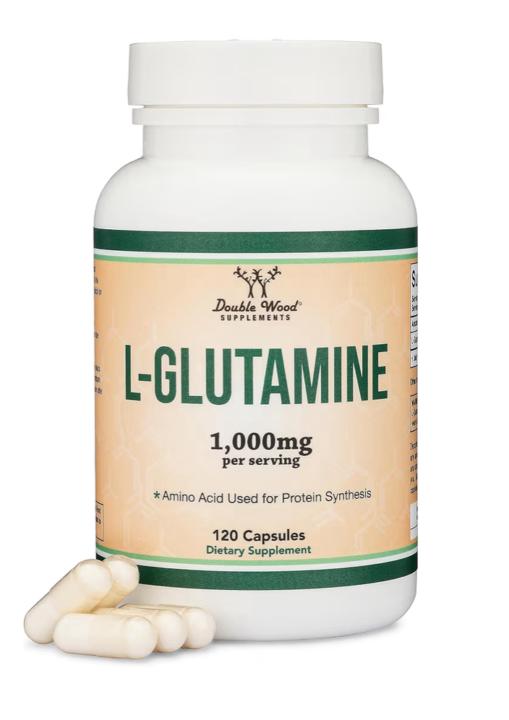
I have been getting SOOO many messages asking about crazy GI symptoms during perimenopause & menopause, so I wanted to share my top 4 recommendations that I take/use on a daily basis to help optimize gut health. 🙏🏼 1. L-glutamine: L-glutamine is one of the most researched and effective nutrients for gut repair, and the benefits are especially important for people in perimenopause, chronic stress, inflammation, or those dealing with bloating, IBS-like symptoms, or leaky gut. L-glutamine is one of the most important amino acids for repairing, sealing, and strengthening the gut lining. It’s literally the preferred fuel source for the cells that make up your intestines. 2. Colostrum: Colostrum is one of the most effective natural ingredients for repairing the gut lining, reducing inflammation, and rebuilding immune balance. It contains over 200+ bioactive compounds specifically designed for protection, healing, and regeneration. 3. Digestive/Pancreatic Enzymes: Digestive enzymes help your body break down food efficiently and completely which is crucial for reducing symptoms and improving overall gut function. When your body doesn’t produce enough enzymes (which is extremely common, especially during perimenopause & menopause), food isn’t properly digested, leading to inflammation, bloating, and nutrient deficiencies. 4. FIBER!!! Fiber helps: • Regulate digestion & prevent constipation • Fuel beneficial gut bacteria • Reduce inflammation • Stabilize blood sugar • Support healthy hormones • Reduce bloating • Improve metabolism & weight regulation • Enhance mood During perimenopause, fluctuating estrogen and progesterone directly disrupt digestion, gut motility, blood sugar, and inflammation making fiber one of the most important tools for restoring balance. 👏🏻👏🏻👏🏻
0 likes • 22h
@Marla Cioni-OHara Yes, those are brands Kaylyn generally recommends! You can also check out Pure Encapsulations.
0 likes • 22h
@Rita Nooney They could help with bloating!

5d •
Struggling w/HRT
Started HRT (E patch oral P) in Aug 2025. Im in late peri/early menopause. I have increased E twice and decreased E once, P has stayed the same. The first 2 weeks I feel better and around the 2 week mark (with both increase and decrease) symptoms get intense that are hard to deal with (bad anxiety, panic attacks, increased heart rate). I have others also low/heavy mood, crying a lot, no energy/motivation, bleeding.. I don’t know what to do. Am I having a hard time adjusting, have I not stayed on a dose long enough, is my own hormones fluctuating too much, is HRT not working for me? I just want to feel better. My son is getting married in 3 months and I have missed out on so much already. 😢
0 likes • 5d
@Bunny T We can absolutely look at your existing labs during your consultation so we can understand what’s been going on so far, but we don’t officially use outside labs for treatment decisions on their own. For accuracy, timing, and quality assurance, we do need to run our own full panel at the same time so everything is consistent and current when we’re making recommendations. I would be happy to get you scheduled for another free discovery call with my team if you want to get into pricing and insurance info and see if we could be a good fit.
0 likes • 5d
@Bunny T I will send you a message on here!
5d •
Why are we STILL not connecting Hashimoto’s + perimenopause?! 🤔
Hashimoto’s is one of the most common autoimmune conditions, and it affects women way more often, especially during hormonal shifts like perimenopause. 👉🏻 Immune System Shift: The “self-attack” of autoimmunity is more likely during hormonal transitions like perimenopause. 👉🏻 Hormonal Chaos: Progesterone, which helps protect the thyroid, begins to decline around age 25, leading to estrogen dominance, which can fuel autoimmune responses. 👉🏻 Overlapping Symptoms: Symptoms of perimenopause often mask Hashimoto’s symptoms (or vice versa) making diagnosis more challenging. 👉🏻 Shared Control Systems: The pituitary gland regulates both the ovaries and the thyroid, meaning a disruption in one system (reproductive) often causes a ripple effect in the other (thyroid). Our team genuinely understands the complicated relationship between Hashi’s and perimenopause, which is why we run comprehensive thyroid labs for every single hormone patient as part of our standard protocol. It is incredibly important to rule out any other possible underlying issues when it comes to perimenopause, so we can make sure we are addressing all of your symptoms at the root. ☑️ More info in this social post: https://www.instagram.com/p/DWUyW0tEe-y/?utm_source=ig_web_copy_link&igsh=MzRlODBiNWFlZA==
3
0
1-10 of 233
@aly-mangeot-2981
Elevate MD - Community Engagement and Social Media Coordinator
Active 16h ago
Joined Sep 17, 2025
Powered by