Activity
Mon
Wed
Fri
Sun
Nov
Dec
Jan
Feb
Mar
Apr
May
Jun
Jul
Aug
Sep
Oct
What is this?
Less
More
832 contributions to Brotherhood Of Scent

Dec '25 •
Last Day
Dec. 31, 2025 Since today is the last free day, I want to be direct and honest. I joined this community primarily for the visual guide and open learning. With that now behind a paywall, the value no longer exists for me, and that alone is reason enough to step away. But there’s a deeper issue I want to call out clearly. Communities like this are not traditional products. The real asset is not the platform, the tiers, or the “perks”. It’s the MEMBERS. The value is created through shared experiences, daily engagement, questions, answers, feedback, and interaction. Without that, the platform is just an empty shell. From a business perspective, this means the community’s growth, retention, and perceived value are already being produced by the members themselves. Monetizing access on top of that is not about covering infrastructure or basic upkeep as those costs are negligible relative to the scale. It’s about extracting recurring revenue from an ecosystem whose value is largely generated by unpaid participation. Now add the economic reality. A $9 monthly fee may feel trivial to many in the US. For me, it isn’t. I live in a place where I spend under $1 a day on meals, and I often do extended fasts, meaning my entire monthly food cost can be lower than this membership fee. In that context, paying monthly for access that now excludes the very thing I joined for makes no practical sense. Paywalls don’t just filter COMMITMENT, they filter DIVERSITY, NEW VOICES, and INTERNATIONAL MEMBERS. Fewer people means fewer conversations, less organic engagement, and ultimately a quieter community. That directly weakens the very asset being monetized in the first place. I’m not saying charging money is inherently wrong. I am saying this direction shifts the balance heavily toward revenue while still relying on its members to continue supplying the engagement that makes the community worth paying for at all. What originally made this community valuable wasn’t the platform or the structure, it was the people. The questions, discussions, shared experiences, and daily engagement are what turned this into something worth returning to. That engagement is the asset. When that access becomes paid, the model shifts. Members are no longer just participants. They are both the SOURCE OF VALUE and the PRODUCT being sold. The platform itself adds structure, but the substance comes almost entirely from the community.
6 likes • Dec '25
@Thomas Chavez Thank you so much for saying that 🩷 Even quiet appreciation like this means more than you might realize, and I’m really glad my input resonated with you. I appreciate the understanding around my situation, and I’m grateful for the kindness and good wishes. Whatever the outcome, it’s messages like this that remind me what truly mattered about being here. Wishing you all the best going forward ✨
4 likes • Dec '25
@Carlos Palafox I feel the same way. Whatever happens, it really was great meeting you and sharing this space together. Wishing you nothing but good things ahead, wherever we all end up 🩷💕
Nov '24 •
Brotherhood of Scent Hall of Fame
Since our community is steadily growing, and I can foresee that the number of people reaching Parfum Maestro will increase more and more (leaderboards can only show you the top 10), I thought of this as a way of celebrating their BIG win and at the same time, for the whole community to recognize all of them. They are the most outstanding of contributors to the Brotherhood who have reached the very top of the ladder with their dedication. These esteemed individuals who have graced this forum with much of their time, effort, knowledge and expertise are the stars, la crème de la crème, the A-list, and they represent the best of us. So gentlemen, if you see your name listed below, this one is for YOU. Congratulations! This Brotherhood won't be the same without you. Name / Date Inducted 2024 @Renato Carotti June 27, 2024 @Michael LoCascio Sr June 30, 2024 @Null Null July 8, 2024 @Julio Gutierrez August 1, 2024 @Georgi Zayakov August 27, 2024 @Raphael Gruenig September 12, 2024 @Daniel Pedraza September 12, 2024 @Lon Chaneyfield September 19, 2024 @Mike Payne October 3, 2024 @Piers Gibson-Leader October 4, 2024 @Jordan Filley October 6, 2024 @Mike Penzenik October 13, 2024 @Andrew G. October 13, 2024 @Raymond Reeves November 10, 2024 @Scott Ripley November 16, 2024 @Justice Kiabe November 17, 2024 @Nazir Wajab December 8, 2024 @Kfir Cohen December 8, 2024 2025 @Carlos Palafox January 9, 2025

8 likes • Dec '25
Congratulations @William Feldtmose our newest perfume general! 🎉🎈🎊
3 likes • Dec '25
Congratulations @Erick Tai !!! You made it! 🎉🎈🍾

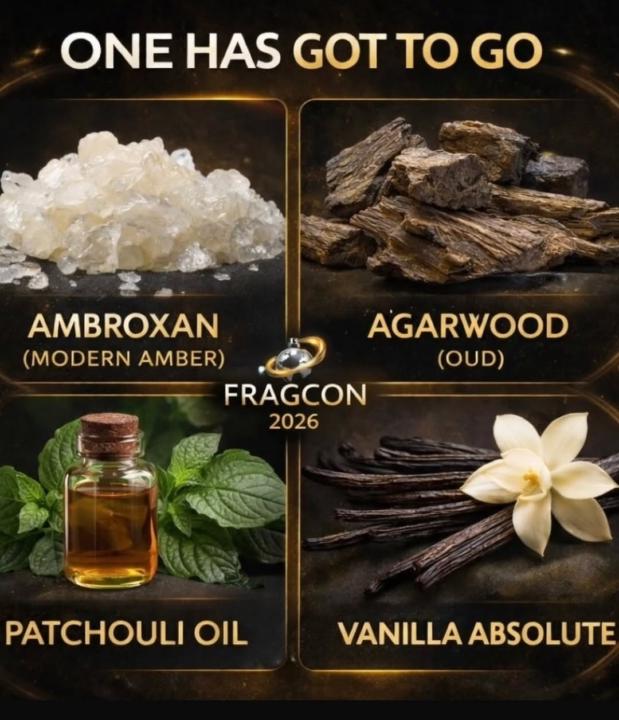
16 likes • Dec '25
I cant choose. But since patchouli is so common here maybe that

Feb '24 •
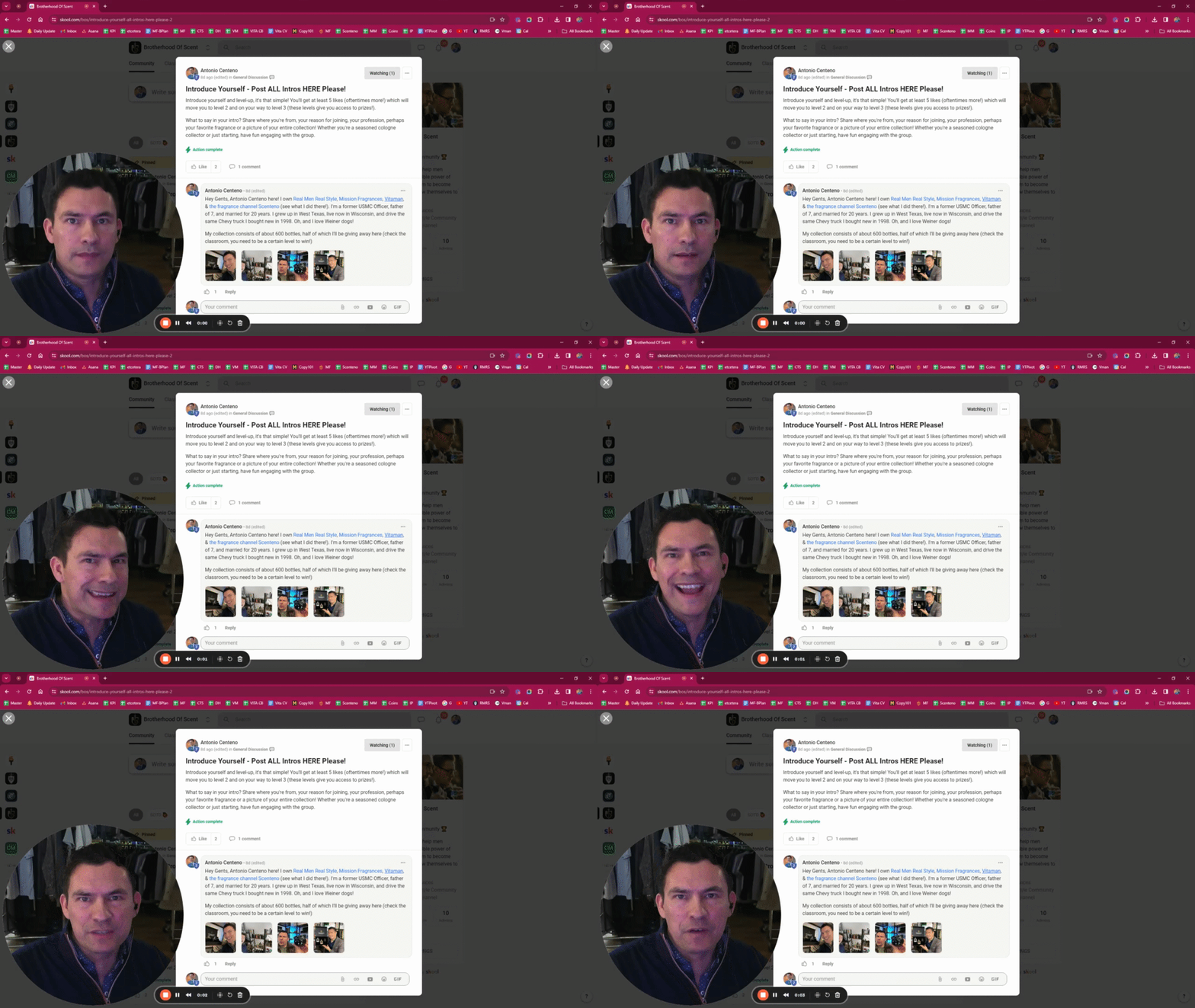
Introduce Yourself - Post ALL Intros HERE!
New "Introduce Yourself" Thread: https://www.skool.com/bos/introduce-yourself-here-post-all-intros-on-this-thread Introduce yourself and level-up, it's that simple! You'll get at least 5 likes (oftentimes more!) which will move you to level 2 and on your way to level 3 (these levels give you access to prizes!). What to say in your intro? Share where you're from, your reason for joining, your profession, perhaps your favorite fragrance or a picture of your entire collection! Whether you're a seasoned cologne collector or just starting, have fun engaging with the group.
14 likes • Dec '25
@Carl S welcome 🤗
18 likes • Dec '25
@Jaela Bryant welcome 🤗

Dec '25 •
Will non-subscribers be allowed in the community after December 31, 2025?
@Antonio Cent, and if so, what are the allowed activities?
7 likes • Dec '25
@D. R shutting off the comment section everytime obviously means hes already expecting a lot of negativity from us members
10 likes • Dec '25
I guess tomorrow is my last day here if ever…
1-10 of 832

@kimi-naayutthaya-7609
Businesswoman & finance executive. Master’s (Cornell University). 10+ yrs banking & finance. Trader. Research & analysis. AI, animal & plant lover.
Active 147d ago
Joined Sep 24, 2024
Bangkok, 🇹🇭
Powered by