
Write something

Nov 5 •
Where do you lead from?
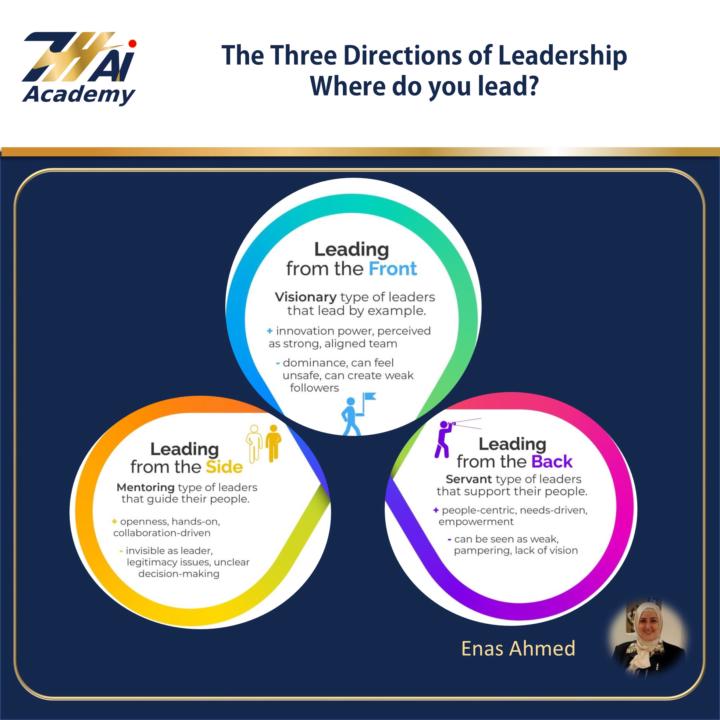
From the front, the back, or the side? Most people see leadership as something that happens from the front — the leader sets the direction, defines the path, and inspires others to follow. That image is powerful but incomplete. In truth, leadership can come from three directions: the front, the back, and the side. Each reflects a different way of guiding people and shaping outcomes — with its own strengths and risks. 1-Leading from the Front is the visionary style. It’s about showing the way, bringing clarity and momentum. But when it turns into dominance, others may feel unsafe to contribute or become too dependent on one person. 2-Leading from the Back is the servant style. It focuses on empowering others, giving space, and supporting their growth. These leaders put people and purpose before visibility. Though sometimes seen as weak, it often represents a deeply mature and human approach to leadership. 3-Leading from the Side is the mentoring style. It’s about collaboration, presence, and shared thinking. These leaders build trust through teamwork and open dialogue. Yet because they’re less visible, decision-making can sometimes feel unclear. True leadership isn’t about choosing one approach — it’s about knowing when to step forward, step back, or walk beside. The art of leadership lies in sensing what the moment — and your people — truly need. So the real question isn’t which direction is best, but rather: Where do you lead from most naturally, and where could you learn to lead differently? #Enas_Ahmed #7H_AI_Academy
10d •
المهارات الناعمة للقادة
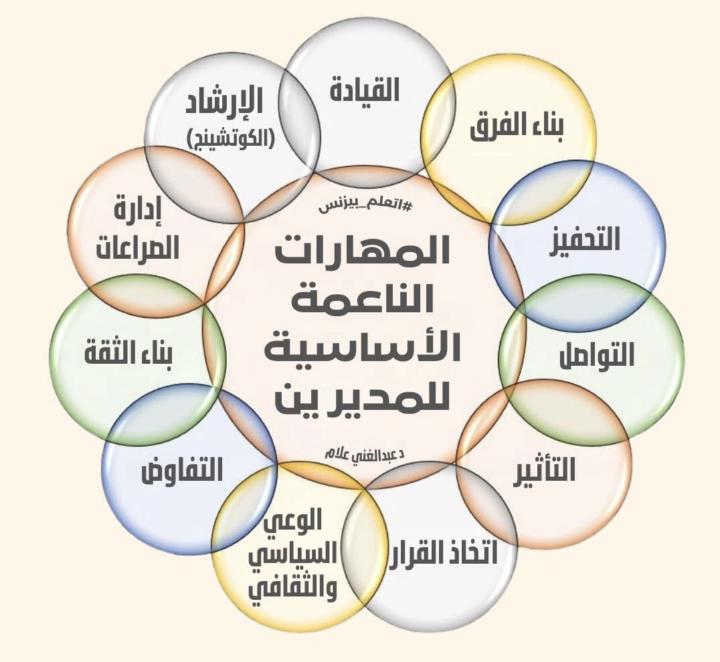
في عالم الإدارة الحديث لم يعد التميز مرتبطاً بالمهارات الفنية فقط، بل أصبح النجاح الحقيقي يعتمد على مجموعة من المهارات الناعمة التي تصنع الفارق في قيادة الفرق، وحل المشكلات، وبناء بيئة عمل إيجابية. 1️⃣ القيادة Leadership المدير الفعّال هو الذي يعرف كيف يوجّه فريقه نحو الهدف، ويزرع فيهم الحماس، ويُظهر لهم الطريق بثقة ووضوح. القيادة ليست منصباً، بل تأثير إيجابي مستمر. 2️⃣ بناء الفرق Team Building النجاح لا يأتي من العمل الفردي، بل من فريق متناغم يعرف أدواره ومسؤولياته. هنا تظهر قدرة المدير على جمع الشخصيات المختلفة وتحويلهم إلى فريق واحد يعمل بروح مشتركة. 3️⃣ التحفيز Motivation كل موظف يحتاج إلى من يدعم طاقته ويعزز دافعيته. المدير الناجح يعرف متى يشجع، وكيف يقدّر الجهود، ومتى يرفع الروح المعنوية ليحافظ على أداء مميز. 4️⃣ التواصل Communication مهارة أساسية لا غنى عنها. التواصل الجيد يعني وضوح الرسالة، الإصغاء الفعّال، والتعامل الذكي مع الحوارات الصعبة. بدون تواصل، تتعطل الأعمال وتكثر الأخطاء. 5️⃣ التأثير Influence القدرة على التأثير في الآخرين ليست فرضاً للسلطة، بل إقناع وإلهام. المدير المؤثر يحرك فريقه من خلال الثقة والقدوة لا من خلال الأوامر. 6️⃣ اتخاذ القرار Decision Making قرارات اليوم ترسم نتائج الغد. المدير الناجح يجمع المعلومات، يقيّم الخيارات، ثم يحسم القرار بثقة ووعي بالآثار المترتبة. 7️⃣ الوعي السياسي والثقافي Political & Cultural Awareness العمل اليوم يتم في بيئات متنوعة. معرفة خلفيات الأفراد وثقافاتهم يساعد المدير على بناء علاقات إيجابية واتخاذ قرارات أكثر حكمة 8️⃣ التفاوض Negotiation جزء كبير من عمل المدير هو إيجاد الحلول الوسط، وتوفيق المصالح، وبناء اتفاقات تحقق مكاسب للجميع. التفاوض الناجح يمنع الكثير من المشكلات قبل حدوثها. 9️⃣ بناء الثقة Trust Building الثقة لا تُمنح تلقائياً. إنها تُبنى عبر النزاهة، احترام الوعود، والشفافية. عندما يثق الموظفون بمديرهم، يصبح الفريق أقوى وأكثر التزاماً. 🔟 إدارة الصراعات Conflict Management لا تخلو بيئة العمل من الخلافات. مهارة المدير هنا هي تحويل الصراع من مشكلة إلى فرصة لتحسين العلاقات وتطوير العمليات. 1️⃣1️⃣ الإرشاد (الكوتشينج) Coaching المدير الناجح لا يكتفي بإعطاء المهام، بل يساعد فريقه على النمو المهني وتطوير مهاراتهم. الإرشاد هو دعم، توجيه، وتمكين.
5
0
Oct 30 •
Leadership is not about power or vision.
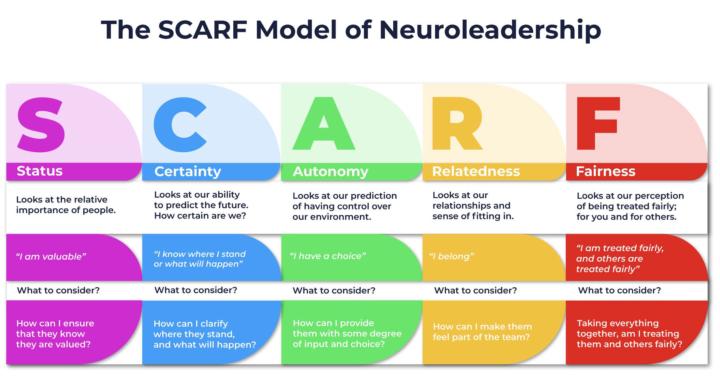
Leadership is not about power or vision. This model reminds us that leadership is, above all, social. Every decision we make, every meeting we attend, every word we speak, affects how others feel about their place, their safety, and their belonging. David Rock’s SCARF model captures these subtle yet powerful dynamics in five simple words: Status, Certainty, Autonomy, Relatedness, and Fairness. They may sound abstract, but they define the emotional context in which people work. When any of these needs are threatened, the brain reacts as if to physical danger. When they are respected and strengthened, people become open, creative, and engaged. As leaders, we can shape that experience every day. → By recognizing someone’s contribution, we affirm their STATUS. → By communicating clearly and consistently, we build CERTAINTY. → By giving people influence over their work, we nurture AUTONOMY. → By showing genuine interest and care, we strengthen RELATEDNESS. → By treating people with integrity and transparency, we reinforce FAIRNESS. These are not "soft" or optional factors. They form the essential foundation of trust, motivation, and collaboration. When we design meetings, feedback, teams, systems, and organizations with SCARF in mind, we do not just improve morale or team spirit. We create the psychological safety that allows performance and purpose to actually happen and thrive. Which of these five factors requires more attention in your organization?
Oct 30 •
Teams rarely break overnight.
When your team goes quiet... it’s not calm — it’s a signal. Teams rarely break overnight. They fade — one ignored moment at a time. Great leaders don’t wait for burnout reports. They feel it in everyday conversations. Here’s how to catch it early Check the temperature weekly, not yearly. Ask: “What’s one thing making work harder right now?” Make 1:1s about them — not project updates. If your check-ins sound like status reports, you’re missing the real story. Listen beyond words. A quiet “fine” or delayed reply can say a lot more than it seems. Encourage upward feedback. If your team can’t challenge your ideas, they’ll quietly check out instead. Recognize effort, not just results. Results matter — but energy is what fuels them. Celebrate both. Treat silence as data. When people stop asking, suggesting, or caring… pay attention. Protect capacity, not just deadlines. A burned-out team might finish today — and quit tomorrow. Share context before pressure. People give more when they understand why it matters. Face conflict early. Avoiding tension isn’t kindness — it’s neglect. Model honesty from the top. When leaders pretend everything’s fine, everyone else learns to fake it too. Silence isn’t stability — it’s an early warning sign. The best leaders don’t ignore it. They listen and act fast. Do you agree, or have you seen this happen in your team?
1
0

Oct 30 •
Leadership
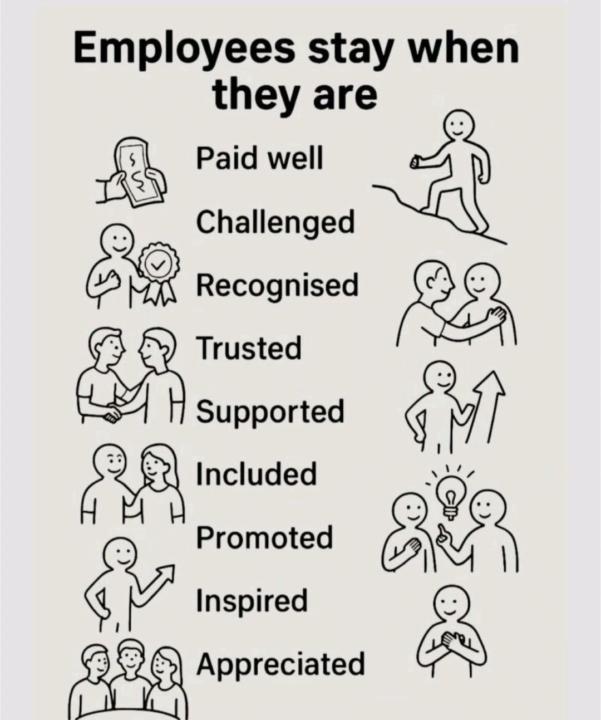
People don’t leave companies — they leave environments that make them feel unseen, unheard, and undervalued. Everyone wants to belong. When leaders recognize people, they don’t just retain talent — they ignite it.
0
0
1-10 of 10

skool.com/7h-ai-academy-7703
Developing digital transformation leaders
تطوير وإعداد قادة التحول الرقمي باستخدام أحدث تطبيقات الذكاء الاصطناعي والتوليدي والوكلاء الأذكياء
Leaderboard (30-day)
1

+53
2
+22
3
+10
4

+8
5
+4
Powered by