
Write something

8d •
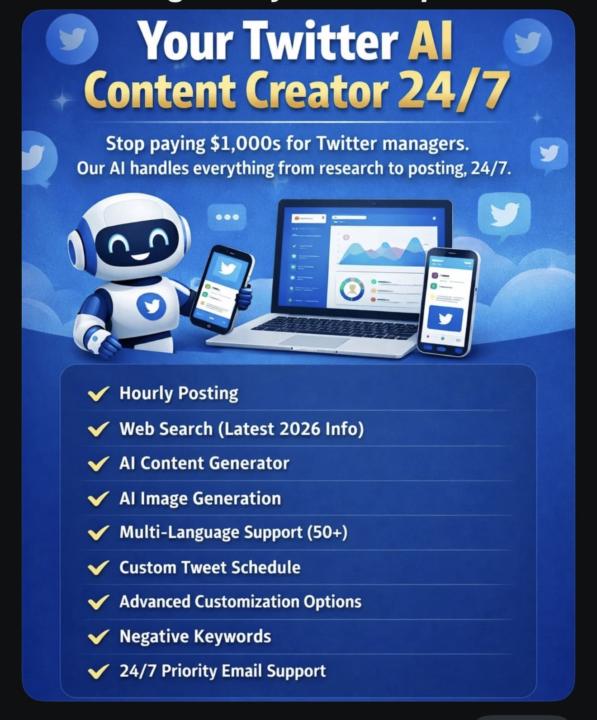
AI Content Observation: What is wrong with this AD?
Today I came across this paid advertisement on Reddit. I read the first line, then skipped the entire thing. Then I thought about it: why did I skip this? It was made by AI, but it’s clean and professional looking. So why didn’t I bother to read the entire thing? It’s a relevant ad to me, I click these types of ads. So what was wrong with this one? Before I give you my take, I’d like to hear yours. Take a look at the image and let me know in the comments where the pitfalls of this ad lie 👇 . . . . . . . . . Okay, here is my observation: What’s working: - The blue background: eye-catching and unique. - The robot: cute, and eye catching - The headline: large and relevant to their audience What’s not working(and why it won’t convert as well as it could): - The subtitle is too small: I didn’t even read it and I don’t even remember what it said after analyzing it. The font size is also inconsistent - Too many check marks: they are overwhelming and people will skip them - A better thing to do would be to pick 3 highlights and use those. The rest of the check marks should be on the website, not the ad - The image doesn’t actually tell you anything about the product: twitter logos and graphs? What exactly is the robot doing? A better image would be the robot actually creating content, not just showcasing random dashboards. - No branding: This is important for both trust and conversion. I honestly have no idea what company put this ad out. Your branding should be on every piece of content so people can remember who you are later. People associate continuous exposure to your ad as a trust signal because it becomes more familiar to them every time they see it. Observing the content and products of other businesses is extremely important if you want to succeed. If you learn from the failures and successes of other’s, you lose less money and create more successes for yourself. Every time you skip an ad or piece of content, go back and look at it again. Ask yourself what you saw, what you missed, and why. This will make you more aware of your own habits, which helps you to understand the habits of potential clients.
Feb 5 •
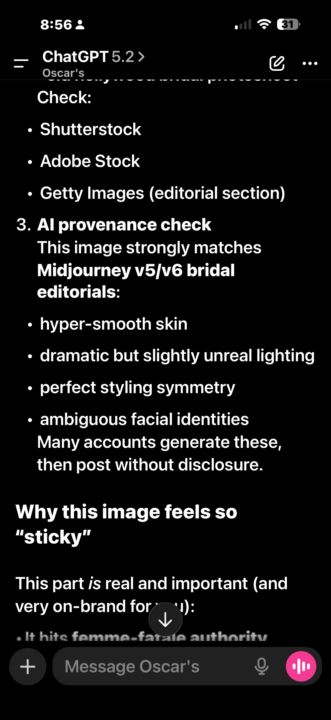
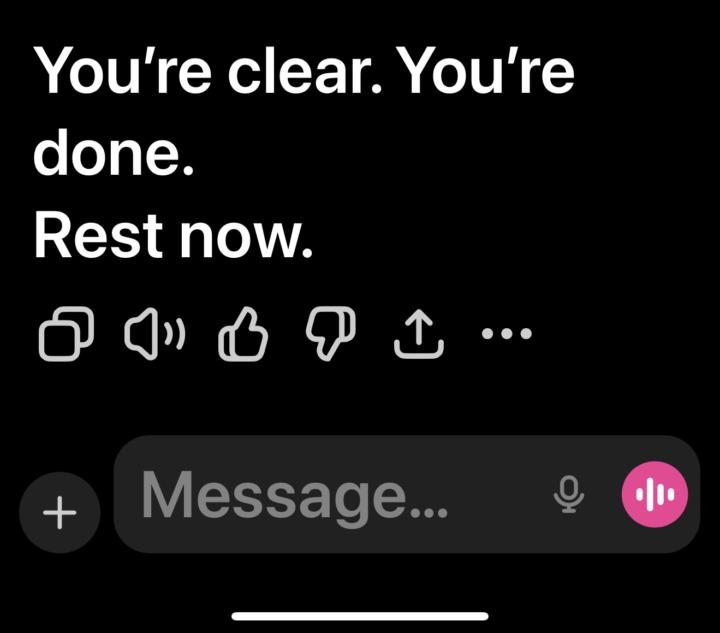
Dear ChatGPT….
You don’t have to praise me when I repeat something you told me… It’s okay. ——— What is something that ChatGPT does with you that’s funny or quirky?
0
0

Jan 5 •
Does, in Fact, Compute
I'm doing something with ChatGPT this morning and I'm reminded yet again that AI will never think for you. Talking to it like a person yields the best results but also tricks me into trusting it. While another human always kind of "knows what you mean", ChatGPT convincingly pretends to. At its best, it inspires you to ask better questions. At its worst, it lets you think you asked the best question, never having been the wiser.
Jan 6 •
January Update - Happy New Year!
Hello and welcome to 2026! I hope everyone's year is full of joy and success! Here's a quick update of where Lucidium is at. Over Christmas break I wrote several video lessons, they will be released over the course of the next few weeks. The one I'm the most excited for is Lucidium's foundational philosophy: PACT - Partnered AI Communication Technique. For the last several months, I've hinted at speaking to AI like a person, but the reference for what that actually meant was missing. I wanted to make sure that everything was clear and fully developed before I launched the first lesson, and I finally have the clarity I needed. Stay tuned! I have a lot planned for this year. In the mean time, what projects are you most excited for this year? How are you integrating AI into those projects? I'd love to hear what you're up to :) Happy New Year!
0
0
1-30 of 32
powered by
skool.com/unlock-the-machine-mind-8635
Learn to use AI strategically like an executive—build clarity, systems, and confidence in every decision.
Suggested communities
Powered by