
Write something

7h •
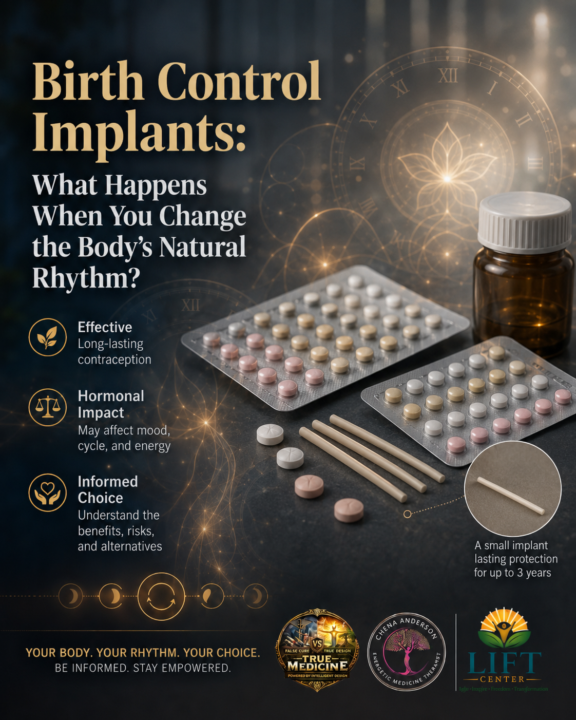
Birth Control Implants: What Happens When You Change the Body’s Natural Rhythm?
Have you ever wondered what a birth control implant does beyond preventing pregnancy? The implant is a small rod placed beneath the skin of the upper arm. It releases progestin, which prevents pregnancy mainly by stopping ovulation and thickening cervical mucus. Potential benefits of the implant ✓ More than 99% effective at preventing pregnancy ✓ Long-lasting and requires no daily reminder ✓ Reversible and removable by a qualified healthcare provider ✓ Estrogen-free ✓ May reduce menstrual bleeding or stop periods ✓ Fertility generally returns quickly after removal ✓ Convenient and private Implants are among the most effective reversible contraceptive methods, but changes in bleeding patterns are common. Possible disadvantages • Irregular spotting or unpredictable bleeding • Longer, lighter, heavier, or absent periods • Headaches • Acne or skin changes • Breast tenderness • Mood changes • Possible appetite or weight changes • Bruising, soreness, infection, scarring, or difficulty during insertion or removal • No protection against sexually transmitted infections Some side effects may improve over time, while others may remain bothersome enough for a woman to consider another option. What can the True Medicine approach offer? True Medicine does not tell women to fear birth control or discontinue it without medical guidance. It offers a whole-person approach that encourages women to understand what was happening in their bodies before the implant, what changed afterward, and what other areas may need support. Choosing the True Medicine approach may help you: ✓ Look beyond one symptom Explore how sleep, nutrition, stress, digestion, metabolism, emotional health, and lifestyle may be connected. ✓ Create a personal symptom timeline Identify which concerns existed before the implant and which appeared or changed afterward. ✓ Understand your original reason for using it Was it chosen only for contraception, or also for acne, PCOS, heavy bleeding, painful periods, or hormonal symptoms?
0
0
1d •
Birth Control Implants: Questions Worth Asking
- What natural rhythm is my body being asked to suppress or change? - Is the implant addressing the root cause of my symptoms, or only managing them? - How might it affect my mood, energy, skin, weight, sleep, or libido? - What role do my liver, thyroid, adrenal glands, nutrition, and stress levels play? - What symptoms did I have before the implant? - What changes began after the implant? - Is this method the best choice for my body, health history, and long-term goals? - What support may my body need while using it? - What is my body trying to communicate? - What is my body forgetting, and how can I help it remember its natural balance?
0
0

1d •
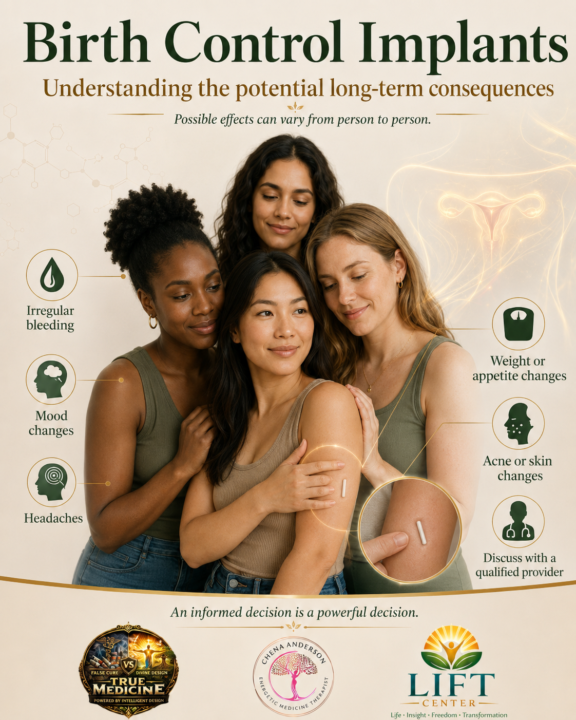
Birth Control Implants: Understanding the Potential Long-Term Consequences
Birth control implants have become one of the most widely promoted forms of long-acting reversible contraception. Devices such as Nexplanon are inserted beneath the skin of the upper arm and continuously release synthetic hormones designed to suppress ovulation and prevent pregnancy for several years. For many women, implants offer convenience and highly effective pregnancy prevention. However, informed consent requires understanding not only the benefits but also the potential short-term and long-term consequences associated with prolonged hormonal manipulation. ***How Birth Control Implants Work Most contraceptive implants release a synthetic progestin called etonogestrel. This hormone works by: -Preventing ovulation -Thickening cervical mucus -Altering the uterine lining -Modifying normal hormonal signaling between the brain and ovaries Unlike natural progesterone produced by the body, synthetic progestins do not perfectly mimic the actions of endogenous hormones and may interact differently with hormone receptors throughout the body. ***Menstrual Disruption One of the most common consequences of implant use is disruption of normal menstrual patterns. Women frequently experience: -Irregular bleeding -Prolonged bleeding episodes -Spotting between cycles -Complete absence of menstruation (amenorrhea) While many practitioners reassure patients that the absence of a period is harmless, menstruation has traditionally been viewed as a valuable indicator of hormonal health and reproductive function. ***Mood and Mental Health Effects Hormone receptors exist throughout the brain. Studies have associated hormonal contraceptive use with increased rates of: -Depression -Anxiety -Mood instability -Irritability -Reduced emotional resilience Some women notice little change, while others report profound alterations in mood, motivation, and overall emotional well-being. Individuals with a prior history of depression or anxiety may be particularly susceptible. ***Weight Gain and Metabolic Changes
0
0
2d •
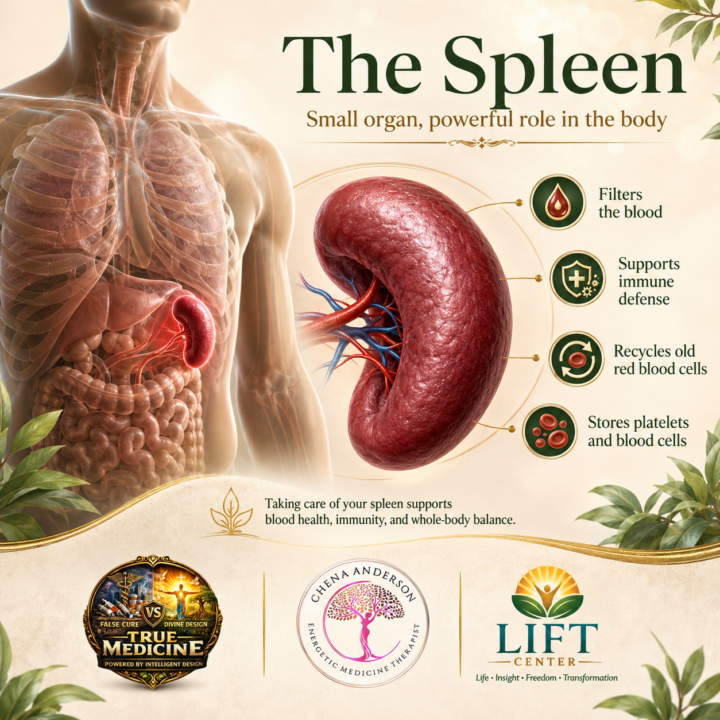
Your Spleen May Be Small, but Its Role Is Powerful
The spleen is a soft, fist-sized organ located beneath the ribs on the upper-left side of the abdomen. Although people can live without it, the spleen plays several important roles in keeping the blood and immune system functioning properly. Important facts about the spleen: ***It filters your blood. The spleen identifies and removes aging, damaged, or abnormal red blood cells. ***It supports immune defense. It helps recognize germs circulating in the bloodstream and supports the immune response against infection. ***It helps recycle iron. When old red blood cells are broken down, the spleen helps recover materials the body can reuse. ***It stores blood components. The spleen can hold red blood cells and platelets, which are important for oxygen delivery and normal clotting. ***It monitors what is happening in the blood. Its specialized immune tissues help detect blood-borne pathogens and activate protective immune cells. The spleen is especially important for protection against certain serious bacterial infections. People without a functioning spleen may require additional vaccinations and specific medical precautions. How can you help protect your spleen? • Eat a balanced, nutrient-rich diet • Maintain a healthy weight • Exercise regularly and safely • Limit excessive alcohol consumption • Manage conditions affecting the liver, blood, or immune system • Wear protective equipment during contact sports • Avoid activities that could injure an enlarged spleen • Attend routine medical checkups • Seek medical advice for persistent or unexplained symptoms There is no special cleanse that can directly “detox” the spleen. Supporting your overall blood, immune, digestive, and liver health is a more responsible way to care for it. Possible signs of an enlarged or injured spleen include discomfort beneath the left ribs, feeling full after eating only a small amount, unusual fatigue, frequent infections, easy bruising, or bleeding. An enlarged spleen may sometimes produce no symptoms, so persistent concerns should be medically evaluated.
0
0
2d •
The Spleen: A Powerful Key to Digestion, Energy, and Whole-Body Balance
Have you ever wondered why you feel tired after eating, constantly bloated, mentally foggy, weak, or heavy? In modern medicine, the spleen helps filter the blood, remove aging blood cells, recycle iron, and support immune defense. In Traditional Chinese Medicine, however, the Spleen represents an entire functional system responsible for transforming food into nourishment and usable energy, also known as Qi. *A strong Spleen system is traditionally associated with: • Healthy digestion and nutrient absorption • Consistent energy throughout the day • Strong muscles and physical stamina • Clear thinking and concentration • Proper movement of fluids within the body • Healthy appetite and bowel function • A greater sense of stability and groundedness *When the Spleen system becomes weakened or imbalanced, the body may communicate through symptoms such as: • Fatigue or weakness • Bloating after meals • Poor appetite • Loose or irregular stools • Brain fog and difficulty concentrating • A heavy or sluggish feeling • Fluid retention • Excessive worrying or overthinking *True Medicine looks beyond the symptom. Instead of simply asking, “How can we make this symptom disappear?” we ask: Why is the body struggling to digest, absorb, transform, and create energy in the first place? Your symptoms may be messages pointing toward deeper imbalances involving nutrition, stress, digestion, hormones, inflammation, circulation, or lifestyle. True healing begins when we stop treating the body as a collection of separate parts and begin understanding how every system works together. The body is always communicating. The question is, are we willing to listen? Discover a deeper approach to wellness through True Medicine, where the focus is not only on managing symptoms, but understanding their possible root causes and supporting the body as a whole. For more information, contact Chena Anderson: 📱 Text or call: +1 417-827-2561 📧 Email: chena.anderson@icloud.com
0
0

1-30 of 134
powered by
skool.com/true-medicine-3260
Revelation of Innate intelligence or the human body -contradicting big pharma and modern medicines hypothesis that we need their "magic" to heal.
Suggested communities
Powered by