
3d • General discussion
Analgesics (Pain Relievers): What You’re Not Being Told About Pain Control
Pain is one of the most common reasons people seek medical care. From headaches and joint pain to chronic back conditions, millions rely daily on medications designed to reduce or eliminate pain signals.
But what happens when pain is silenced… without addressing the cause?
This is where the story of modern analgesics becomes more complex—and more concerning.
The Three Main Categories of Pain Relievers
1. NSAIDs (Non-Steroidal Anti-Inflammatory Drugs)
Examples: Ibuprofen, Naproxen, Aspirin
How They Work
NSAIDs block enzymes (COX-1 and COX-2) that produce prostaglandins—chemicals responsible for inflammation, pain, and fever.
Short-Term Effects
- Pain relief
- Reduced inflammation
- Lower fever
Common Side Effects
- Stomach irritation or pain
- Heartburn
- Nausea
- Headaches
Serious Risks (Especially With Long-Term Use)
- Gastrointestinal bleeding and ulcers
- Kidney damage
- Increased blood pressure
- Elevated risk of heart attack and stroke
Long-Term Impact
NSAIDs suppress inflammation—but inflammation is also part of the body’s healing response.Chronic use may:
- Delay tissue repair
- Mask progressive joint degeneration
- Create dependency on symptom control instead of resolution
2. Acetaminophen (Paracetamol)
Example: Tylenol
How It Works
Acts primarily in the brain to reduce pain and fever, but does not significantly reduce inflammation.
Short-Term Effects
- Mild to moderate pain relief
- Fever reduction
Common Side Effects
- Usually minimal when taken correctly
Serious Risks
- Liver toxicity (especially with higher doses or alcohol use)
- Acute liver failure (one of the leading causes in the U.S.)
Long-Term Impact
- Silent liver stress over time
- Depletion of glutathione (the body’s master antioxidant)
- Reduced detoxification capacity
This means the very system designed to clean and protect the body becomes compromised.
3. Opioids (Narcotic Pain Relievers)
Examples: Hydrocodone, Oxycodone, Morphine
How They Work
Bind to opioid receptors in the brain and spinal cord, blocking pain perception and altering emotional response to pain.
Short-Term Effects
- Powerful pain relief
- Euphoria or sedation
Common Side Effects
- Drowsiness
- Constipation
- Nausea
- Confusion
Serious Risks
- Respiratory depression
- Addiction and dependence
- Overdose and death
Long-Term Impact
- Physical dependence and withdrawal cycles
- Increased pain sensitivity (opioid-induced hyperalgesia)
- Hormonal disruption
- Suppressed immune function
- Emotional blunting and reduced motivation
Over time, opioids can actually increase the body’s perception of pain, creating a dangerous loop.
Why These Drugs Are So Common
Pain is everywhere:
- Chronic back and joint conditions
- Autoimmune inflammation
- Sedentary lifestyles
- Nutritional deficiencies
- Emotional and stress-related tension
Instead of asking:👉 “Why is the body producing pain?”
The system often asks:👉 “How do we stop the signal?”
The Hidden Cost of Long-Term Pain Relief
When pain is repeatedly suppressed:
1. The Root Cause Remains
- Structural imbalances
- Inflammation triggers
- Toxic burden
- Emotional stress patterns
2. The Body Adapts
- Compensation patterns develop
- Degeneration progresses silently
3. A Polypharmacy Cascade Begins
Pain meds lead to:
- Acid reflux → more drugs
- High blood pressure → more drugs
- Kidney damage → more interventions
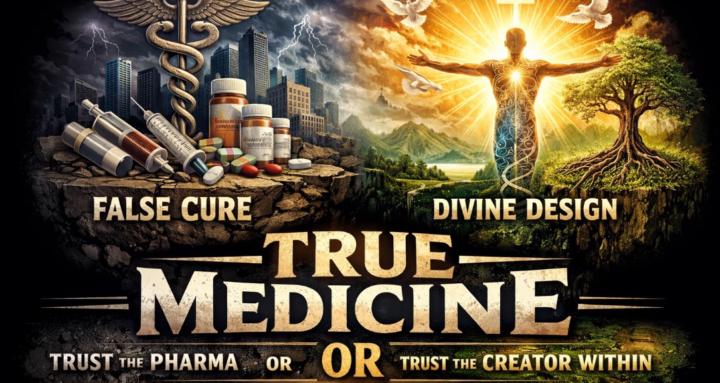
The True Medicine Perspective
Pain is not the enemy.
Pain is communication.
It is the body saying:
- “There is inflammation here”
- “There is stress here”
- “There is imbalance here”
When we silence pain without listening to it, we lose the message—and often worsen the condition.
A Different Approach to Pain
Instead of suppressing symptoms, True Medicine asks:
What is driving the pain?
- Inflammation from diet or toxins
- Structural misalignment
- Nervous system dysregulation
- Emotional trauma stored in tissue
How do we support resolution?
- Restore circulation and oxygenation
- Reduce toxic load
- Rebuild tissue integrity
- Calm the nervous system
- Address emotional roots
Final Thought
Pain relievers can be helpful tools in acute situations.
But long-term reliance comes with a cost:👉 Organ damage👉 Dependency👉 Delayed healing👉 Deeper imbalance
Because true medicine doesn’t silence symptoms—it listens, interprets, and restores the system.
0
0 comments
Analgesics (Pain Relievers): What You’re Not Being Told About Pain Control
powered by
skool.com/true-medicine-3260
Revelation of Innate intelligence or the human body -contradicting big pharma and modern medicines hypothesis that we need their "magic" to heal.
Suggested communities
Powered by