
7d •
PTSD, Panic, and the Buckman Bridge: Why EMDR Trauma Therapy Center Is Here for You
By, Jeannie Mitchell Posted: https://emdrtt.com/ptsd-panic-and-the-buckman-bridge-why-emdr-trauma-therapy-center-is-here-for-you/ If the words “trauma therapy” make you picture combat veterans or dramatic life events, you’re not alone. But the truth is, trauma shows up in many forms-and you don’t have to hit rock bottom to get the support you deserve. At EMDR Trauma Therapy Center, we specialize in helping people process trauma and live fuller lives. But we also help with anxiety, panic, and emotional overload caused by everyday life-the kind of things people often minimize or try to “just deal with.” (Yes, even that heart-racing feeling some of us get when crossing the Buckman Bridge.) As a Navy veteran and mental health counselor, I created EMDR Trauma Therapy Center because I wanted to build a team of highly trained professionals who could walk with clients through life’s hardest seasons-and also through the subtler struggles that affect how we function and feel each day. Specialized Therapy for Real-Life Struggles Our therapists aren’t just kind and supportive (though they’re definitely that too)-they’re trained in advanced, evidence-based techniques, including: - EMDR (Eye Movement Desensitization and Reprocessing) - Trauma-Informed Care - Cognitive Processing Therapy (CPT) - Somatic and Mindfulness-Based Techniques - Safe & Sound Protocol (SSP) While these are powerful tools for healing PTSD, they’re also incredibly effective for depression, anxiety, phobias, and stress from work or family life. So whether you’re a veteran, a healthcare worker, a teacher, a parent-or simply a person trying to get through the week-we can help. Trauma Doesn’t Have to Be “Big” to Be Real People often compare their experiences to others and think: “Other people have had it worse. I should be able to handle this.”
0
0
7d •
Fighting Trauma with Self Defense
By, Danielle Pond, LMFT As a trauma specialist, I see all types of trauma. Our clients are as diverse as their stories, and many present to therapy desperate to find relief from the symptoms of PTSD and depression that plague their daily lives. Trauma survivors often endure intrusive thoughts, flashbacks, night terrors, dissociation, hypervigilance, and intense feelings of shame or self-loathing. Above all, many describe the devastating realization that they no longer feel safe—or confident—moving through the world. Trauma, Fear, and the Loss of Voice Fear impacts us all differently, but for trauma survivors, it can strip away the very anger needed to resist and fight back. “Fear does not help us fight…fear dispels our ability to think clearly and can cause us to resort to unhelpful reactions” (Hecht, 2025). The key is anger. Anger, when accessed in a healthy way, signals that our values or boundaries are being violated. Losing one’s voice and determination to defend your boundaries is one of trauma’s most dangerous consequences. Survivors may be left vulnerable to re-victimization, stuck in cycles of silence and feelings of helplessness. This highlights the need for body-focused healing—an important complement to traditional trauma therapy. Rewiring Through Self-Defense In their new book, Rewired – Transforming Trauma Through Self-Defense Training (2025), Ashley M. Hecht and Chris E. Oklevitch of The Women’s Defense Company in Jacksonville, Florida, describe how empowering survivors through self-defense restores voice, anger, and confidence. Their program has trained hundreds of trauma survivors to confront fear, reclaim their strength, and rewrite the narrative of their past experiences. Self-defense training begins with something deceptively simple: commanding your space and shouting “NO!” with conviction that displays strength and a willingness to fight back. From there, students learn practical techniques to evade or fight back against attackers, regardless of their own size or strength. As small-statured people, I can attest to the power of these tools— my 11-year-old daughter and I walked away from Chris’s training with the unshakable belief that we could protect ourselves. And not just that we could protect ourselves, but that we would if we had to.
0
0

1-4 of 4
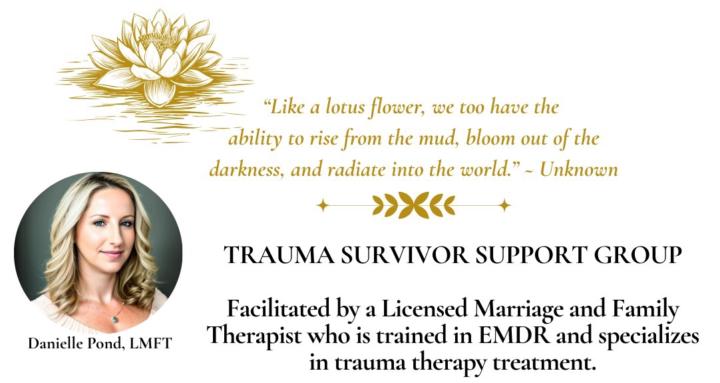
skool.com/trauma-support-group
Trauma causes numerous issues in daily life - let's tackle them together in a supportive, therapist-led group that will offer help, insight & skills.
Powered by