
Pinned

17d •
My testimony
I am not sure where to start but I'm going g to say those that don't kno me my name is Kristina Propst and I will be 36 in exactly a month and I live in Maryland with 3 big fur babies. I have joined this group to get some great insight on wat I need to work on and such. So after I joined Josh reached out to me to book a call to see wat I needed to work on let me just tell u it was the whole nine yards from sleep, nutrition, stress u name it I needed to work on it so as we were talking so at the very end he said to dial into the nutrition and start there so I did. Then we kept talking and talking and all that well then he said there's a 6 week challenge coming up he was doing he said well u should go try it I was very hesitant at this point but I said sure why not there's nothing to loose. So I started the challenge with everyone else. So as we started the challenge it's been great I'm doing the nutrition part mainly Caz of me having shoulder surgery in July I can't really work out at all. So during week 1 through week 6 I lost literally 30lbs in 6 weeks my sleeps improved drastically my stress and everything is completely down. I even started the 30 day sleep challenge I'm on phase 2 now and it's showing me that it can help u if u have very bad insomnia like I used to now I can fall asleep earlier and not rely on my sleep meds anymore to go to sleep. I will say if u guys haven't done the challenge yet that u should Caz it's helped me in so many ways. Plus I have that bond with Josh knowing that when I'm not onto it or feeling like I can't do something he's there to help me back up and pick up. There's no quitting here with me I may in the past but I'm on the better path. I cannot thank Josh enough for all this to get me to where I'm at now. So needless to say I'm excited I did the 6 week challenge it was definitely challenging in the beginning but as I went on it got alot easier and at the end it really shows I am 30lbs down and I can and will continue to do this. @Joshua Haag thank u so much for everything u have taught me through this and will continue to do.
Pinned

Oct '25 •
👋 Welcome to The Vybrant Longevity Academy!👋
Welcome! This community is here to help you live a longer, healthier, and hopefully pain free life! We want to not only show you how, but be with you every step of the way! Here are your next steps 👇 1. Start the free course: Click ME 2. Book your free 1-1 call: Click ME 3. Join the weekly Q&A calls: Click ME 4. Introduce yourself: name, country, and your goal. 5. Stay active: ask questions, help others, share wins, make friends, have fun! To your success! PS: What’s your goal for the next 30 days?
Poll
16 members have voted

Pinned

Jan 8 •
Just wanted to say….
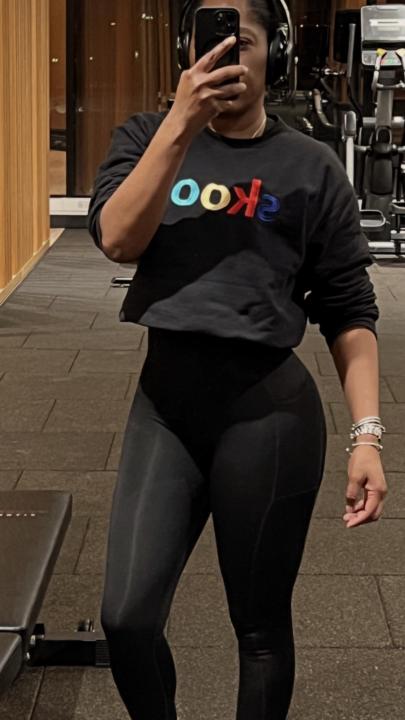
A big thank you and shout out to @Joshua Haag for the great tips he shared with me that helped me reach my fitness goals. I’m loving my strong and toned legs.😀
3h •
Monday night call is a go!
Tune in as we did some goal setting and neuro exercises! We also launched our steps challenge! We will be running for October! Anyone can participate if you’re in the group. Let’s get to moving! Rules are in the video, and I will release a post Monday nights are going to be clear and focused on making you better! Tune in next week
0
0

18h •
Remember! We’re going live tonight
5 o’clock pst! Lock in for 20-30 with me! I plan to keep the cals short, sweet, and to the point! You’ll learn I hate wasting time and that goes for you all as well. We will be concocting focus/locking in for the last quarter/ and some goal setting exercises! We have one quarter left to decide how we want the year to end! See you soon!

1-30 of 197
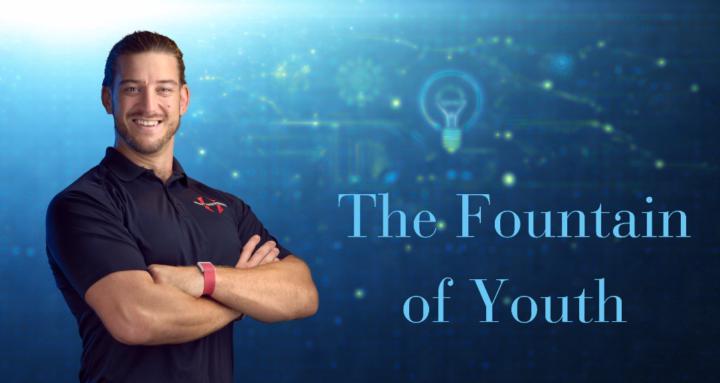
skool.com/thefountainofyouth
Free personal training from a 20-year master coach. Built for the burnt-out, exhausted person over 35 who's done going at it alone. No fees. No catch.
Leaderboard (30-day)
1
+14
2

+14
3

+8
4
🔥
+6
5

+4
Powered by