

24d •
Trust Is Not a Soft Skill: What High-Trust Leaders Do Differently Under Pressure
When organizations face pressure – economic uncertainty, rapid growth, leadership transitions, public scrutiny, burnout, or internal fatigue – leaders often default to strategy, systems, and execution. Those things matter. But after years of working with organizations navigating difficult seasons, one truth continues to emerge: The organizations that weather pressure best are often the ones with the deepest reservoirs of trust. Not perfect organizations. Not organizations without conflict. Organizations where people trust leadership, trust one another, and trust that difficult conversations can happen without fear. That reality was front and center in a recent Trust Under Pressure LinkedIn Live conversation I hosted with Julian Lute from Great Place To Work, where we explored what high-trust leaders and organizations actually do differently. One of the biggest takeaways from our conversation challenged a common misconception many leaders still hold: Trust is not a soft skill. It is business infrastructure. And under pressure, that distinction matters. Because pressure reveals culture. Trust Is Measurable, Not Abstract One of the most important points Julian emphasized during our conversation is that trust is not some intangible leadership concept sitting outside performance. Organizations recognized as high-trust workplaces consistently outperform in areas leaders care deeply about: - retention - engagement - innovation - collaboration - customer experience - adaptability during change As Julian shared, leaders often think of trust as a cultural conversation while focusing operational energy elsewhere. But the research tells a different story. Trust drives performance. That insight reminded me of a powerful conversation I had with Tim Clark, former CEO of AdventHealth, on Trust Under Pressure. During Tim’s leadership, AdventHealth Heart of Florida transformed both patient satisfaction scores and infection rates, two critical indicators that directly impacted patient outcomes and organizational performance.
0
0
May 20 •
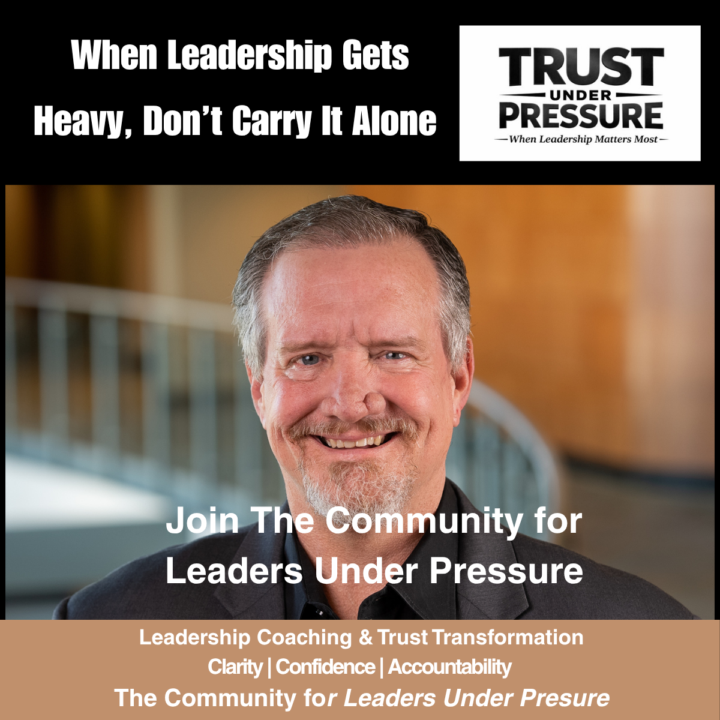
New promotion for the community...TIME TO RECRUIT MORE MEMBERS
Here's a revised set of the testimonial posts for The Trust Transformation/Trust Under Pressure Community...
0
0
May 20 •
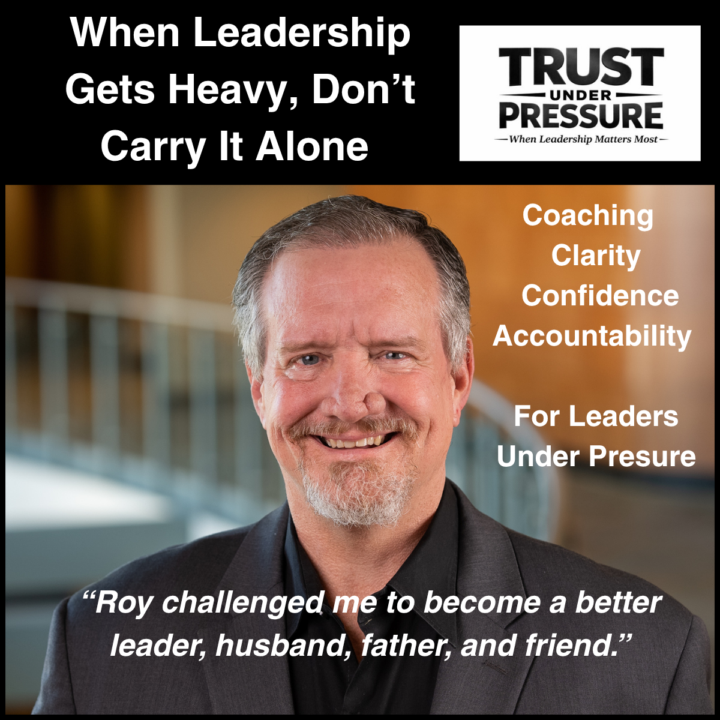
New Series of Posts Promoting Our Community with Social Proof
As we build this community, this week I'll begin sharing these on all platforms...Some of the testimonies are from members! Share the community with your colleagues, friends and family.
0
0
May 19 •
This Week's Strategy & Encouragement Call Recording
Here is the recording from this week's Strategy & Encouragement Coaching call. The topic is how grace is the key to confronting the pressure that can harden our leadership, slow things down and create more friction. Let me know what you find helpful in your work in the comments below.
1
0
May 18 •
New Benefits and Opportunities for Coaching and Programs
Many people have asked how they can get more access to coaching and premium products through their memberships and I've added that in the Premium and VIP memberships. 🔥 For Premium members, there are opportunities for one-on-one coaching calls monthly and an opportunity to grow into our higher ticket programming. 🔥 VIP Members get immediate access to the Trust Under Pressure 90-day Leadership Reset, weekly coaching calls, and one planning day (4 hours) a year with quarterly 1-hour updates. These packages will increase in price 📈 with demand and represent a significant discount from the pricing structure I use outside of the community. 🚀 I want to reward the commitment to this community and build a place for like-minded leaders to grow and contribute to the growth of others. If you're interested in taking your leadership to the next level, I'm happy to jump on a call to see how this would work for you. https://calendly.com/roywreid/trust-under-pressure-insights-and-discovery-w-roy-reid
0
0
1-30 of 74
Powered by