
Jun 5 •
ACL experience
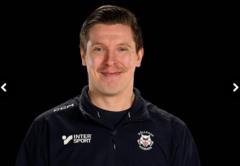
My name is Oskar. I’m from Latvia, a former hockey player, and today I work as a private trainer and strength & conditioning coach for a hockey team in Sweden.This is my story about living nearly 10 years with a torn ACL, going through surgery, rehabilitation, setbacks, and ultimately learning how to rebuild myself both physically and mentally. Everything started when I was around 18 years old during a hockey game. In one moment of play, there was a knee-to-knee collision. I honestly don’t remember the exact details anymore — the memory is blurred, most likely because of the pain and shock. What I do remember is that my game was over immediately. I was taken to the hospital, where doctors confirmed that I had torn my ACL. At that time, the process felt very simple: I was told to go home, wait for the swelling to go down, and then think about surgery later. But I was only 18 years old. I didn’t truly understand how serious the injury was. I spent about two weeks on crutches, but eventually the swelling disappeared, the pain faded away, and everything started to feel normal again. Back then, social media and internet resources were nothing like they are today. You couldn’t just open your phone and instantly find information about ACL injuries, rehabilitation, and long-term consequences. So I moved on with life. I stopped playing hockey seriously because of the injury, but I still stayed active. I played basketball, tennis, football — all at a hobby level. For a while, everything seemed fine. Then one day my knee gave out. Then it happened again. And again. Eventually it happened hundreds of times. Over the years, my knee became so unstable that sometimes it would give out simply while walking down the street. That was the moment I realized I could no longer ignore the problem. I went to see a doctor in Latvia, scheduled surgery, and finally decided to rebuild my knee. The day of surgery felt surreal. I checked into the hospital, got my room, and shared it with a motocross rider who had the exact same injury. Nurses brought me calming medication, and eventually it was my turn to go into surgery. I remember being rolled into the operating room feeling extremely sleepy and confused — and then the next thing I remember was waking up back in my hospital room.
0
0
Jun 4 •
Welcome to The ACL Comeback Community
This group is built to help athletes navigate ACL rehab, rebuild confidence, and return to sport the right way. Inside you’ll find rehab education, weekly goals, strength training guidance, and support from others going through the same process. Introduce yourself below and let us know:🏃 Sport📅 Surgery date🎯 Your comeback goal
1-4 of 4
skool.com/the-rehab-project-2671
ACL rehab community helping athletes rebuild strength, confidence & return to sport safely after surgery.
Powered by