Jun 5 • ACL discussion
ACL experience
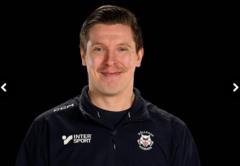
My name is Oskar. I’m from Latvia, a former hockey player, and today I work as a private trainer and strength & conditioning coach for a hockey team in Sweden.This is my story about living nearly 10 years with a torn ACL, going through surgery, rehabilitation, setbacks, and ultimately learning how to rebuild myself both physically and mentally.
Everything started when I was around 18 years old during a hockey game. In one moment of play, there was a knee-to-knee collision. I honestly don’t remember the exact details anymore — the memory is blurred, most likely because of the pain and shock. What I do remember is that my game was over immediately.
I was taken to the hospital, where doctors confirmed that I had torn my ACL. At that time, the process felt very simple: I was told to go home, wait for the swelling to go down, and then think about surgery later. But I was only 18 years old. I didn’t truly understand how serious the injury was. I spent about two weeks on crutches, but eventually the swelling disappeared, the pain faded away, and everything started to feel normal again.
Back then, social media and internet resources were nothing like they are today. You couldn’t just open your phone and instantly find information about ACL injuries, rehabilitation, and long-term consequences. So I moved on with life.
I stopped playing hockey seriously because of the injury, but I still stayed active. I played basketball, tennis, football — all at a hobby level. For a while, everything seemed fine.
Then one day my knee gave out.
Then it happened again.
And again.
Eventually it happened hundreds of times. Over the years, my knee became so unstable that sometimes it would give out simply while walking down the street. That was the moment I realized I could no longer ignore the problem.
I went to see a doctor in Latvia, scheduled surgery, and finally decided to rebuild my knee.
The day of surgery felt surreal. I checked into the hospital, got my room, and shared it with a motocross rider who had the exact same injury. Nurses brought me calming medication, and eventually it was my turn to go into surgery. I remember being rolled into the operating room feeling extremely sleepy and confused — and then the next thing I remember was waking up back in my hospital room.
The first night wasn’t too bad because of the medication. The nurses regularly gave me painkillers, and by the next morning they brought me crutches and encouraged me to start walking carefully. They told me not to hop on one leg but to use both legs properly while walking.
Later, the physiotherapist came to see me. We walked a little, and I was told to wait for the doctor’s approval before starting exercises. When the doctor arrived, he told me to basically stay in bed for at least a week and let everything heal.
Looking back now, I believe that was one of the biggest mistakes in my rehabilitation.
About 10 days later, after returning to Sweden, I visited a physiotherapist. My knee was extremely stiff, weak, and barely moving. The physiotherapist immediately explained that I should have started basic movements from day one — simple things like moving the leg back and forth, trying to activate the quadriceps, and working on fully straightening the knee.
Because of that delay, my rehabilitation became much longer and more difficult.
Step by step, we slowly moved forward. I wasn’t able to completely stop using crutches until around 8–9 weeks after surgery. At that point, it honestly felt like a lifetime had passed. Finally putting the crutches aside felt like a huge victory.
But that was only the beginning.
There were constant setbacks — pain, swelling, frustration, and moments where progress felt impossible. I didn’t start running again until around 7–8 months after surgery, and even that process was extremely difficult. It took another few months before running actually started to feel natural again.
Around 12 months after surgery, I finally stepped back onto the ice to casually play hockey again at an amateur level.
Then another problem appeared.
At some point, I developed constant pain in my knee. I don’t even remember exactly when it started, but eventually it became impossible to ignore. I visited a doctor in Sweden, and after examination he told me that my meniscus was damaged and needed surgery. He was surprised and asked why the meniscus hadn’t been repaired during my ACL surgery in Latvia. However, my original surgeon had told me the meniscus was fine. That meant I most likely injured it sometime during rehabilitation.
So there I was again — preparing for my second knee surgery within 18 months.
This time, however, my experience in Sweden was completely different.
I arrived at the hospital in the morning, got my room, took the “magic pills,” and once again everything became a blur in the operating room. But when I woke up afterward, I felt surprisingly good.
I called the nurse and asked if I needed crutches to go to the bathroom. She simply replied:“No, just stand up and walk.”
I was shocked.
Carefully, I stood up, walked to the bathroom, and realized I had almost no pain. When I returned, I asked when I could go home. The answer was immediate:
“You can leave whenever you want. Call someone to pick you up.”
My wife arrived about 30 minutes later, and I was already on my way home.
The biggest difference this time was the rehabilitation approach.
I started rehab exercises immediately — even before speaking to the doctor. Later that same evening, the doctor called me and simply said:
“Tomorrow you start physiotherapy. See you again in four weeks.”
And honestly, the recovery was incredible.
Within six weeks, I felt great again. I started running, skating, training, and playing hockey. Everything seemed perfect. Eventually I even earned a spot in a semi-professional hockey league team through tryouts.
But life had one more challenge waiting for me.
During my sixth game, I blocked a shot and somehow tore my MCL in the same knee. There was also concern about additional ACL damage, although the MRI couldn’t fully confirm the extent of it.
Initially, my Swedish surgeon and I agreed on another surgery. The waiting list was around nine months long. But while waiting, something important happened.
I started studying to become a personal trainer.
That education completely changed my perspective on injuries, movement, strength training, and rehabilitation. I began approaching training differently. I learned how important strength, stability, muscle balance, and intelligent movement really are.
And over time, something surprising happened:
I stopped feeling the injury.
The pain disappeared.
The instability disappeared.
I could function normally again.
Eventually, I decided to cancel the surgery altogether.
Since then, I’ve continued training hard, focusing heavily on leg strength, stability work, and strengthening the smaller supporting muscles around the knee. In my case, it truly changed everything.
Today I can run, train, skate, play hockey recreationally, coach athletes, and work with private clients completely pain-free. No instability. No limitations. No dysfunction.
This journey taught me that recovery is not only about surgery — it’s about patience, education, discipline, and learning how your body truly works.
What started as one of the hardest experiences of my life eventually became the reason I entered the fitness and coaching world. Through my own struggles, mistakes, and lessons, I found a new purpose: helping others become stronger than they were before their injuries.
0
0 comments
ACL experience
skool.com/the-rehab-project-2671
ACL rehab community helping athletes rebuild strength, confidence & return to sport safely after surgery.
Powered by