
Write something

Oct '25 •
Lessons from a childhood Bully
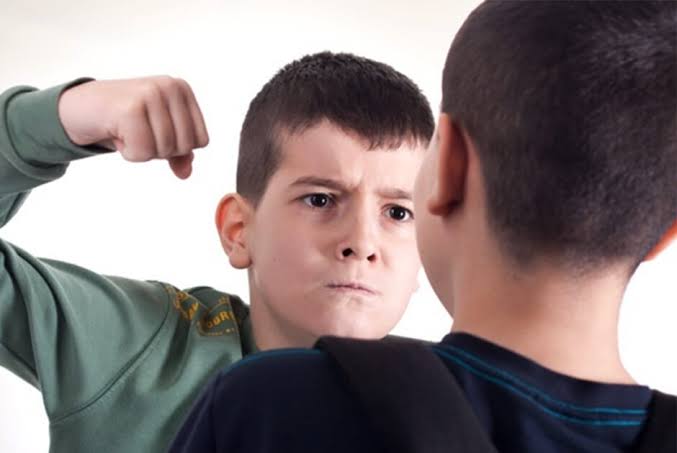
Back in the early 1980s, when I was a student at Primary School, I had to face something many children still deal with today, a school bully. He had been making life difficult not only for me but for many others for quite some time. At that stage, I had just begun learning martial arts. I was a quiet boy, and martial arts gave me a sense of strength and confidence. But in those days, martial arts wasn’t common. For most people, it was something they associated with Bruce Lee movies. When the bully found out I was training, I became his new target. The physical training helped me enormously. I felt stronger, more self-assured, and capable of standing tall. What I didn’t yet understand, being only eight or nine years old, was how to apply those skills on a mental and emotional level. The bully, on the other hand, was a seasoned pro. He knew how to intimidate and manipulate, and he thrived on fear. Later, I learned that his aggression came from his own suffering. He was beaten by his father and grew up without much love or care. When I realised this, I felt two things at once. On the one hand, I thought he was an absolute menace who needed to be dealt with. On the other, a quieter voice inside me urged compassion. That experience taught me something I’ve carried into my martial arts journey and teaching ever since: strength without compassion can harden the heart, but compassion without strength can leave you powerless. True martial arts and true self defence requires both
1
0
Sep '25 •
Self-Defence Tip: Timing & the 5 Pillars
One of the most powerful tools in self-defence is timing. knowing when to act can be just as important as how you act. In my 5 Pillars of Self-Defense, Timing (Blue) is where everything comes together. It’s the ability to read a situation and respond before, on, or after the moment. 🔑 Here’s how it connects with the other pillars: - Awareness (Yellow): Spotting danger early gives you more options. - Confidence (Orange): Stepping in with certainty helps you act decisively. - Physical Skills (Red): Your training gives you tools to use when the time is right. - Timing (Blue): Choosing the right moment makes those tools effective. - Peacekeeping (Green): Sometimes the best timing is knowing when not to fight. 👉 Think about this: Have you ever reacted too early or too late in a situation — and wished you had chosen a different moment? Drop your thoughts below. How do you notice timing showing up in your training, sports, or even daily life?
1
0
Sep '25 •
Why Our School Teaches More Than Fighting
The other day I received a message on Facebook: “You call yourself a martial arts school, yet most of your posts are about holistic health” There is enough violence in the world. That’s exactly why I choose to teach and share martial arts in the way I do. More than techniques Yes, I teach practical self-defence and combat. But I don’t broadcast every strike, choke, or joint lock on social media. Those techniques belong in the dojo, where I can look a student in the eye, get to know their character, and make sure they’re ready to learn them responsibly. Martial arts without discipline, respect, or mana is just fighting. Martial arts with those values becomes a path of growth. Why we share health and wellbeing You’ll often see me post about breathing, posture, balance, stress recovery, and holistic health. That’s not a distraction from martial arts, it’s the foundation. • A calm breath prevents panic. • A strong body prevents injury. • A centred mind helps you walk away before conflict escalates. If we only trained “deadly techniques,” we’d just be adding to the cycle of violence. By building health, resilience, and inner strength, we reduce the chance of violence in the first place. Responsibility on social media I see martial artists online posting dangerous chokes, breaks, and strikes with no context, no safety warnings, no thought for who might copy them. That’s reckless. A teenager, a stressed adult, or someone looking to misuse the skills could be watching. At this school, we take responsibility. What I post online is designed to help anyone become safer, calmer, and more capable in daily life, not to glorify violence. Our values: discipline, respect, mana Martial arts training is not about feeding aggression. It’s about discipline in training, respect for others, and mana, carrying yourself with integrity. There is enough violence in the world. We don’t need more. What we need are people who can defend themselves if necessary, but who also know how to prevent conflict, stay healthy, and lead with respect.
1
0
Aug '25 •
New Spine reset video lesson
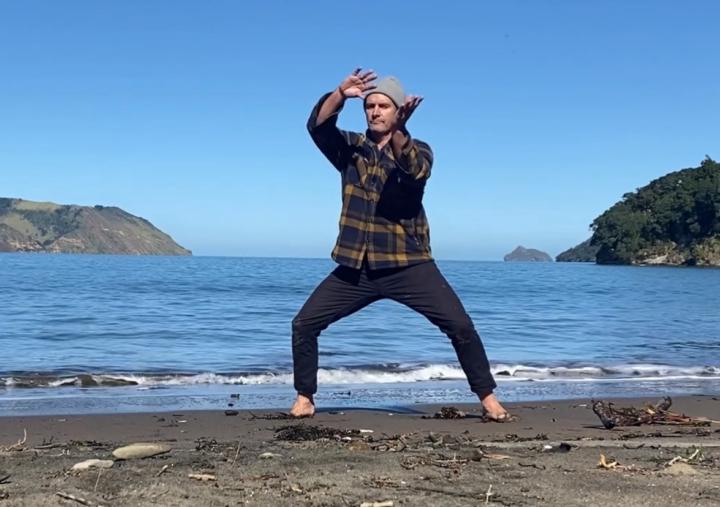
This practise is all about opening and energising the upper body while keeping things gentle and rhythmic. In today’s video, you’ll learn a movement that: ✨ Stimulates the heart centre and sternum ✨ Expands the upper lungs for fuller breathing ✨ Mobilises the shoulders and thoracic spine ✨ Re-energises without strain ✨ Helps regulate emotional energy and calm the nervous system Take a few minutes to follow along and notice how your breath, posture, and energy shift. Perfect for a midday reset or winding down after a long day. 👉 Watch the video below and share how you feel afterwards in the comments.
1
0
Aug '25 •
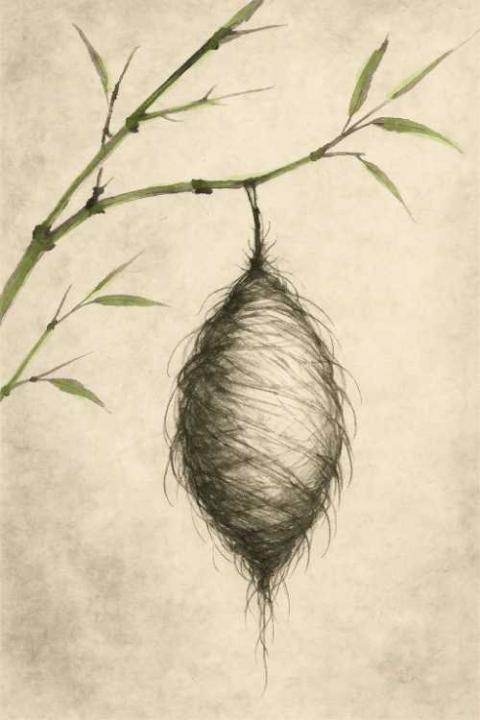
Spinning a Cocoon
A Lesson from Tai Chi and Ba Gua Zhang In traditional internal arts like Tai Chi and Ba Gua Zhang, we learn not just how to move, but how to live. Both systems teach us to stay centred, adaptable, and free in body and mind. They remind us that nature is one of our greatest teachers. One powerful image from nature is that of the silkworm. It spins and spins, creating fine silk… until it becomes wrapped so tightly in its own threads that it cannot move. This isn’t just a poetic image, it reflects something many of us do without realising. We create habits, routines, thoughts, or plans with good intentions… but sometimes, we end up so tangled in them that we lose our freedom. Like the silkworm, we trap ourselves with the very things we worked so hard to build. In Tai Chi, this might look like trying to perfect every move to the point of rigidity, or overthinking instead of feeling. In Ba Gua Zhang, it might appear as walking the circle mechanically, losing connection to change, spontaneity, and the spiral nature of energy. Both arts teach us to remain present, responsive, and fluid, not caught in patterns that restrict us. Yet the beauty of this metaphor is that silk itself isn’t the problem, it’s what we do with it. In our internal practice, we can learn to weave and unwind the threads of tension, stress, and habit. The movements of Ba Gua circles, spirals, and twists, give us the tools to release what binds us. They teach us to turn and change direction, to soften the grip of fixed thinking, and to move through what feels stuck. In Tai Chi, the image of silk reappears in silk reeling energy, continuous, flowing spirals that connect the body as one. These movements help us unwind physical tension, emotional tightness, and mental over-effort. What once wrapped us up can become the very thread that frees us. So this image of the silkworm offers us a gentle reminder: - Are we spinning threads that bring strength, or ones that bind us? - Are we moving from flow and awareness, or from fear and over-effort? - Can we learn to use the spirals, circles, and twists in our practise to loosen the inner knots?
1
0
1-5 of 5
powered by
skool.com/the-dojo-community-1684
Where martial arts meets life skills
confidence, resilience & community on and off the training floor.
Suggested communities
Powered by