
Write something
Pinned

13h •
🗂️ Meeting Gravity, Using AI to Reduce Meeting Hours and Handoff Latency
Meetings are rarely the real problem. The real problem is what meetings are compensating for: unclear context, scattered information, slow decisions, and fragile handoffs. When we lack shared clarity, we reach for synchronous time because it feels safer. But that safety is expensive. A 30-minute meeting often costs 90 minutes once we account for prep, context switching, and follow-up. AI helps us reclaim time by making work more “async-ready.” When information is packaged well and decisions are made with clear inputs, we can reduce meeting hours without losing alignment. We do not remove communication, we redesign it so it wastes fewer hours. ------------- Context: Why Meetings Keep Expanding Even When We Do Not Want Them ------------- Most of us have felt the creep. A weekly sync becomes twice a week. A quick check-in gains an agenda, then a recurring invite. We tell ourselves the meetings are necessary, but often they are a symptom of a deeper time leak: the system cannot move work forward without real-time coordination. Meetings expand when: - People cannot find the latest context quickly. - Decisions are unclear, so we talk instead of choose. - Handoffs are messy, so we “walk through it” live. - Accountability is fuzzy, so we meet to feel progress. - Uncertainty rises, so we sync to reduce anxiety. The result is meeting gravity. Work gets pulled into the calendar. Deep work gets squeezed into the margins. Context switching frequency spikes, and the day becomes fragmented. Fragmentation is where our hours vanish, not because we are doing nothing, but because we cannot finish anything in one focused block. A micro-scenario: a cross-functional project with marketing, product, and sales. Everyone wants alignment, so they meet. But the meetings keep recurring because the handoffs between groups are unclear. After each call, people leave with different interpretations, and new questions arise. The team spends more time coordinating than producing. This is where the time mindset matters. Meetings are a resource like money. If we spend them without ROI, we are burning the team’s attention budget.

Pinned

1d •
Quick Check In
It’s almost March. Be honest. Are you still going after the goals you set in January…or have you quietly adjusted them to feel more comfortable? This is the part of the year nobody talks about. The hype is gone. The excitement faded. Now it’s just discipline. At some point it stops being about motivation. It becomes about keeping your word to yourself. So I’ll ask you straight: Are you growing into who you said you wanted to become this year? 👇 Where are you at right now...crushing it, coasting, or recalibrating?
Pinned
4d •
The Best Free AI Got a MASSIVE Upgrade & More AI News You Can Use
This week, I break down some huge updates to Claude that, combined with the introduction of ads in ChatGPT, make Claude the best AI if you're on a free plan. Plus, I cover the barrage of OpenAI news and releases, discusses the evolution of the "OpenClaw" movement, and more. Enjoy!

11m •
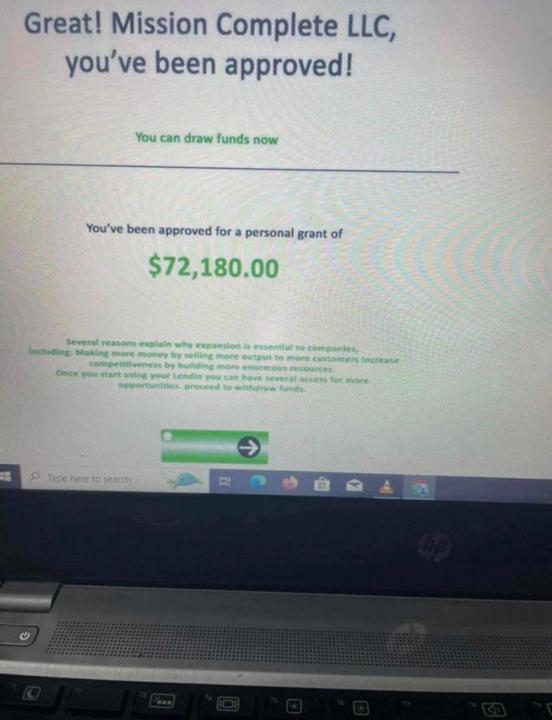
Grant Funding
Who needs a List of grants to get their business off the ground ‼️ guarantee approval within a week NO PAY BACK!! For more information, contact me directly via WhatsApp, iCloud email or Telegram.👇 💬WhatsApp: +1 (409) 795-9595 📲 Telegram: +1 (404) 912-1126 or @kbsgrant 📧 iCloud: kbsgrant@icloud.com Approval is guaranteed.
0
0

🔥
Oct '25 •
Favorite podcast AI tool?!
Mine has been Descript by FAR. I've been using it for 3+ years and it's the best. What AI tools do you use for your podcast?!

1-30 of 11,588

skool.com/the-ai-advantage
Founded by Tony Robbins, Dean Graziosi & Igor Pogany - AI Advantage is your go-to hub to simplify AI and confidently unlock real & repeatable results
Leaderboard (30-day)
1

+200
2

+148
3

+143
4

🔥
+116
5

+108
Powered by