
Write something

2d •
Design Process
Hi guys ! I've been quite inactive lately. My phone broke which made making videos impossible since the quality of the camera on my second phone was absolutely horrible so I have had to pause videos, hopefully will start making videos again in 2 weeks once I receive my new phone ! But, in the meantime I'm gonna share a screen recording of how I make designs based on water available, crops, prices, light exposure and ect ! Will take you through 5 of my designs for this Autumn ! Will be available next week ! Hope your agroforests are doing good after the heat of Summer has passed - still very present in Andalucia (35 degrees still) and expected to cool down in October/November like usual.
10d •
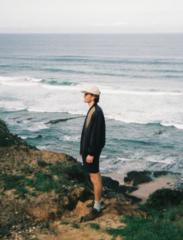
Designing your tree line & manage it - I've build something cool
Hey all 🌱 As most of us are like me working on more consultations and installations, I thought of developing a syntropic agroforestry designer & manager, first for myself but I’m happy to share this openly with you. It really helps me manage multiple client installations, designing & visualizing their designs (also to share them). It's called Syntroply. Main features are: • For each land profile it scores 140+ Mediterranean species to that plot • Designing your tree lines and visualize them (yearly growth scale included) • Automated nursery mapping (combining clients possible) & downloadable plant spacings for when planting on the field with a team • Season-by-season management calendar that can be shared with clients or through monthly management tasks mailing It's still in beta and I'm building it in the open for the people who actually do this work. Two things: 1️⃣ Have a play → https://syntroply.com/ I'd genuinely love your eyes on it. 2️⃣ Any feedback is very valuable to me, happy to build something that really helps accelerate our work in the best way possible. Happy planting 🌱

Aug 7 •
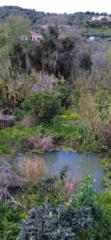
Free-Open Source Syntropic Planner - Testers, Opinions wanted
For the past while with the help of a couple of friends I've been developing an community based, open source and free website that allows you to plan your syntropic system by compiling data from an open source and free database (the info is taken from different sources but we have also added several plants ourselves and you're welcome to do so as well). The plan is to find a handful of people that already have experience in Syntropic design and give us some feedback/opinions on how such a software should be. The goal is to create a free tool for everyone so that syntropic planning can become easier and accessible to most people. If you want to participate in the alpha testing phase please let me know. Your help is greatly appreciated.


Aug 11 •
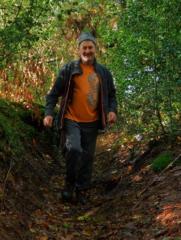
Infestation phase planting density for cold climates
I'm growing in a climate with a short growing season that gets very cold in the winter, and trees don't really grow as fast as they do in warmer places. I have seen others plant their infestation phase trees at 1m apart in the row, but I'm thinking I should plant at every 30cm or 50cm, and for cost efficiency mostly use willows and balsam poplars which I have basically unlimited access to cuttings for. Would I run into issues at such a high density if I chose to prune and coppice most of the trees after 3 or 4 years so I can start planting my stabilization phase trees, or is it fine to plant an extremely high density?
Aug 1 •
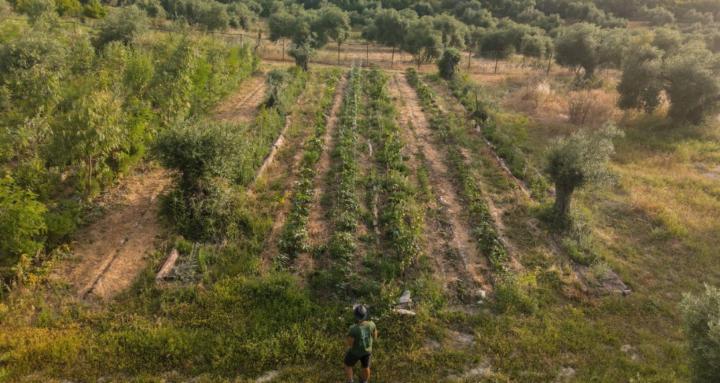
Catastrophic drought
As most of Europe is sizzling I'm wondering about people's opinions on irrigation, In Brittany, the region where I live, there's the reputation that it's always raining, when the last two years we have had drought during summer. This year especially there's only been 3 or 4 millimetres of rain since April. Most of the newest tree rows are completely dead, and the moisture meter readings are 2 to 3 % . It's in an area that's difficult to pump water to with any pressure and the sandy soil looses it quickly, even with the addition of compost and mulch. One interesting thing is that the Scots broom, our strongest Pioneer is almost thriving. So when I replant at the end of the season I'll use Pioneer plants and only add productive trees when I'm sure the soil is improving enough to hold moisture.

1-30 of 65
powered by
skool.com/syntropic-agroforestry-w-milan-3000
Mediterranean Syntropic Agroforestry made practical.
Efficient design, minimal water, low inputs — maximum impact.
Suggested communities
Powered by