Write something
Nov '25 •
Food Plots by Region - What Works Where You Hunt? 🌱🦌
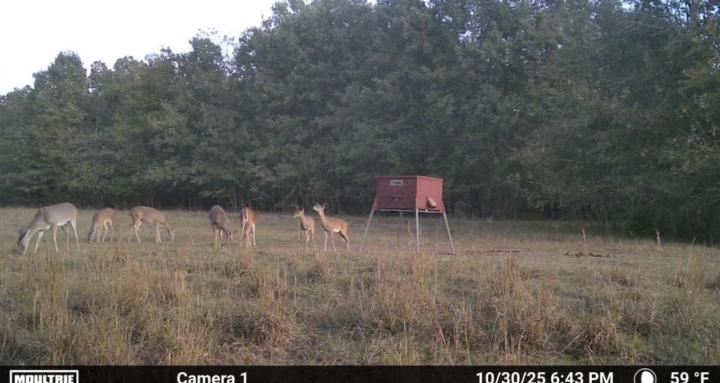
Location matters when it comes to food plots. What crushes it in the South might struggle in the Midwest, and what works in the Northeast won’t always thrive out West. Let’s break down what’s working across different regions and learn from each other’s experiences. THE SOUTH (Southeast/Gulf States) Climate: Long growing season, hot summers, mild winters Top Performers: • Clover (Ladino, crimson, arrowleaf) - year-round staple • Chicory - drought tolerant, deep taproot • Iron clay peas - summer protein powerhouse • Brassicas (turnips, radishes) - late season attraction • Winter rye and oats - cool season standards THE MIDWEST (Corn Belt) Climate: Four distinct seasons, cold winters, variable rainfall Top Performers: • Soybeans (standing or forage varieties) - summer staple • Corn - high carbs for fall/winter • Turnips and sugar beets - cold hardy brassicas • Winter wheat and cereal rye - early spring green-up • Clover blends - durable perennials THE NORTHEAST (New England/Mid-Atlantic) Climate: Cold winters, moderate summers, acidic soils common Top Performers: • White clover - handles shade and cooler temps • Brassicas - love the cool weather • Austrian winter peas - cold tolerant legume • Oats and wheat - reliable cool season annuals • Chicory - perennial that deer hammer THE WEST (Mountains/Plains) Climate: Varies dramatically - altitude matters, often drier Top Performers: • Alfalfa - drought tolerant once established • Clover blends - with irrigation in dry areas • Peas (Austrian, forage) - cool season protein • Rape and kale - brassicas for elk and deer • Native forbs - work with local conditions THE SOUTH-CENTRAL (Texas/Oklahoma) Climate: Hot, dry summers, mild winters, variable rainfall Top Performers: • Lablab (hyacinth bean) - heat and drought tolerant • Iron clay peas - thrives in heat • Oats - fall/winter standard • Brassicas - winter attraction • Annual ryegrass - cool season favorite LET’S SHARE KNOWLEDGE: • What region do you hunt?
0
0
Nov '25 •
Private or Public Land - Where Do You Prefer to Hunt? 🏞️
This debate never gets old. Some hunters swear by private land - the control, the management, knowing exactly who else is out there. Others love the challenge and adventure of public ground - the vast acreage, the unpredictability, and the satisfaction of outsmarting both the game and the pressure. I want to know: What’s your preference and why? PRIVATE LAND: • More control over the property • Less hunting pressure • Ability to manage habitat and food plots • Know the land intimately • But… access can be limited or expensive PUBLIC LAND: • Accessible to everyone • Huge areas to explore • The challenge of competing with other hunters • Adventure and variety • But… more pressure, less control Let’s Discuss: • Do you hunt private, public, or both? • What are the pros and cons you’ve experienced? • Any tips for success on either type of land? • Have you had better luck on one vs the other? • Does it depend on what you’re hunting? Personally, I think both have their place. Public land taught me to be a better hunter - you learn to adapt, go deeper, and work harder. Private land lets you implement long-term strategies and really manage for quality. What’s your take? Drop your thoughts below! 👇
0
0
Nov '25 •
What’s the Smallest Game You’ve Ever Harvested? 🐇🐿️
Let’s flip the script and talk about the little guys. We always hear about the trophy bucks and massive bulls, but what about the squirrels, rabbits, doves, quail, and other small game that fill our game bags and teach us valuable skills? Drop your story below: • What was the animal? • Where were you hunting? • Was it your first harvest ever? • What did you do with it? (table fare, training hunt, etc.) • Any lessons learned from small game hunting? Why Small Game Matters: Some of my best hunting memories are chasing squirrels with a .22, learning to call in doves, or spending afternoons jump-shooting rabbits. Small game hunting teaches patience, accuracy, and field craft without the pressure of a once-a-year deer season. Plus, there’s nothing wrong with rabbit stew, fried squirrel, or grilled dove poppers. 🔥 Let’s hear it: • What’s your go-to small game? • Got any recipes to share? • Anyone started their hunting journey with small game? No shame in the small game here - it’s where many of us learned to hunt, and it’s still some of the most fun you can have in the woods. Who’s got stories? 🎯
0
0
Nov '25 •
What’s the Largest Game You’ve Ever Harvested? 🦌🐗
I want to hear your trophy stories. We all remember that one hunt - the biggest animal we’ve ever taken. Whether it was the rack on a whitetail, the size of a hog, the wingspan on a turkey, or that massive bull elk you tracked for days. Drop your story below: • What was the animal? • How big was it? (weight, rack size, score, etc.) • Where did you harvest it? • What made that hunt memorable? • Got pics? Share them! I’ll start: [Share your own story here, or remove this line] Let’s celebrate these harvests - the preparation, the patience, the respect for the animal, and the memories that last a lifetime. No story is too small. Your first deer can mean just as much as someone’s record book elk. It’s all about the experience and what it meant to you. Who’s got the biggest one in the group? 👀 Drop your stories below! 🎯
0
0
Nov '25 •
Who Wants to Hunt? 🦌🎯
# Who Wants to Hunt? 🦌🎯 There’s something primal and deeply rewarding about the entire hunting process - from the first time you plant your food plots in spring to the moment that meat hits your freezer. I’m talking about Drop your experiences below. Whether you’re a seasoned hunter or just curious about getting started, let’s build a community around ethical hunting and land stewardship. 🏹 Let’s hunt.? 🦌🎯 There’s something primal and deeply rewarding about the entire hunting process - from the first time you plant your food plots in spring to the moment that meat hits your freezer. I’m talking about the full experience: The Preparation - Planning and planting food plots that’ll bring game to your area - Scouting locations and understanding animal patterns - Setting up stands and preparing your gear The Hunt - The early mornings in the stand - Reading the wind and the woods - That moment of truth when everything comes together The Harvest - Ethical, clean kills - Field dressing and gutting (yeah, it’s messy but it’s part of the process) - Proper meat processing and butchering - Filling the freezer with organic, wild protein you harvested yourself Why I Hunt: It’s about self-reliance, conservation, and respect for where our food comes from. Every part of the process matters - from managing the land to utilizing every bit of the animal. Let’s Talk: - What’s your hunting story? - What game are you after this season? - Any tips for beginners on processing their own meat? - Best food plot mixes you’ve used? Drop your experiences below. Whether you’re a seasoned hunter or just curious about getting started, let’s build a community around ethical hunting and land stewardship. 🏹 Let’s hunt.
0
0
1-9 of 9