Write something
Nov '25 •
What’s the Smallest Game You’ve Ever Harvested? 🐇🐿️
Let’s flip the script and talk about the little guys. We always hear about the trophy bucks and massive bulls, but what about the squirrels, rabbits, doves, quail, and other small game that fill our game bags and teach us valuable skills? Drop your story below: • What was the animal? • Where were you hunting? • Was it your first harvest ever? • What did you do with it? (table fare, training hunt, etc.) • Any lessons learned from small game hunting? Why Small Game Matters: Some of my best hunting memories are chasing squirrels with a .22, learning to call in doves, or spending afternoons jump-shooting rabbits. Small game hunting teaches patience, accuracy, and field craft without the pressure of a once-a-year deer season. Plus, there’s nothing wrong with rabbit stew, fried squirrel, or grilled dove poppers. 🔥 Let’s hear it: • What’s your go-to small game? • Got any recipes to share? • Anyone started their hunting journey with small game? No shame in the small game here - it’s where many of us learned to hunt, and it’s still some of the most fun you can have in the woods. Who’s got stories? 🎯
0
0
Nov '25 •
The beginning of the Season
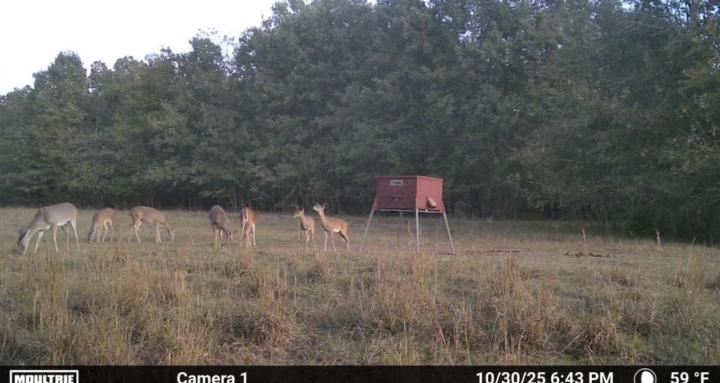
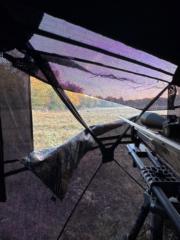
Deer season is upon us, and whether you’re a seasoned hunter or heading out for your first time, proper preparation makes all the difference between a successful hunt and a frustrating one. Here’s how to get ready. Gear Check and Maintenance Start by inspecting your firearm or bow at least a month before opening day. Clean your rifle thoroughly, check the scope mounts for tightness, and head to the range to sight it in. If you’re bowhunting, replace worn strings, check your broadheads for sharpness, and practice your shooting form regularly. Don’t wait until the week before season to discover something needs repair. Go through your hunting clothes and look for tears, broken zippers, or worn-out boots. Wash your gear with scent-free detergent and store it properly. Make sure you have adequate layers for the conditions you’ll face—early season can be warm, but late season demands serious cold-weather gear. Scout Your Territory Get out in the woods now. Look for fresh sign like rubs, scrapes, trails, and droppings. Use trail cameras to pattern deer movement and identify mature bucks if that’s your goal. Pay attention to food sources—acorns, agricultural fields, and browse areas change throughout the season. The more you know about where deer are moving and when, the better your chances. Stands and Blind Set up your tree stands or ground blinds well before season opens. This gives deer time to get used to them and reduces disturbance during hunting time. Clear shooting lanes quietly, trim branches that might deflect arrows or bullets, and mark distances to landmarks for range estimation. Check all straps, chains, and safety equipment for wear. Licensing and Regulations Purchase your licenses and tags early. Read through your state’s hunting regulations carefully—they often change year to year. Note the specific dates for different weapon types, bag limits, tagging requirements, and any new rules about CWD testing or reporting harvests. Physical Preparation Don’t underestimate the physical demands of hunting. Walking rough terrain, climbing into stands, and dragging out a deer takes stamina. Start a basic fitness routine if you haven’t been active. Practice with your weapon from realistic hunting positions—kneeling, sitting, shooting uphill and downhill.
0
0
1-2 of 2