
Write something
Pinned
Jul '24 •
Strength & Structure!
Welcome to Restructure! Hey everyone, welcome to the group 😤 My name is Jacobeleah, the founder of Restructure. As a professional trainer with over 15 years of experience, I've witnessed a lot in the fitness industry and worked with individuals from all walks of life. One major issue I've noticed is poor structural health, which affects both fitness enthusiasts and non-fitness individuals alike. Early in my career, I faced a significant challenge: keeping clients on their fitness programs despite their structural problems. This obstacle often hindered them from reaching their physical goals and full potential as athletes. Nine years ago, my own body broke down, and I experienced chronic pain daily. Despite a lifetime of working out, my body wasn’t as strong and sound as I had expected. This led me to embark on a journey of self-reflection and experimentation to understand why this was happening. Through extensive research and personal trials, I developed new training systems, techniques, and procedures to regain my structural health and integrity. After a year and a half, I managed to rid myself of chronic pain. It was a challenging journey, but I figured it out. I then started teaching these methods to my clients, and they worked. Over the years, the protocols and systems I discovered have helped hundreds of individuals. Here are the three most crucial lessons I've learned for building and maintaining a healthy, strong body: 1. Training Multiple Planes of Movement: Most fitness programs are too one-dimensional, focusing predominantly on the sagittal plane (front to back). This was a major issue I discovered in my training and that of my clients. 2. Maintaining Structural Health: It’s essential to maintain healthy soft tissue, proper musculoskeletal alignment, and proper joint mechanics to ensure biomechanical soundness in and out of the gym. 3. Posture and Passive Ranges: Proper alignment and good posture are critical. Poor posture in daily activities can lead to bad mechanics and neurology, affecting how you perform during workouts. Training bad posture outside the gym sends mixed signals to your body, leading to compensations when you exercise.
1
0

Sep '24 •
Joint Impingement, A Common Structural Issue
Understanding Joint Impingements: What You Need to Know A joint impingement occurs when a joint is held out of its optimal position, often due to muscular imbalances or restrictions in the connective tissue. While this misalignment is usually correctable, if left untreated, it can lead to more serious damage over time, such as deterioration of the joint capsule or even herniation and bulging of spinal discs. These more severe issues are preventable if the impingement is addressed early on. Joint impingements can arise from direct injury, like a heavy impact that forces the joint out of place, leading to immediate structural damage. However, it’s more common for joint discomfort to develop without any obvious cause, often due to excessive tension in the muscles or connective tissues. When muscles become hypertonic, they can hold the joint out of its natural position, causing dysfunction and inflammation, this can lead to several issues long term. This issue is more common than most realize because many people don’t fully understand the causes of inflammation or recognize the subtle signs of restricted mobility in the affected area. If left uncorrected, chronic impingements can alter the biomechanics of the joint, leading to compensatory movement patterns that put additional stress on other parts of the body. This can create a ripple effect, where one misalignment leads to another, eventually causing widespread discomfort or injury. For example, a hip impingement might lead to knee pain or lower back issues as the body tries to compensate for the limited range of motion. To address a joint impingement, it’s essential first to release the dense tissue around the joint. Using tools like a lacrosse ball, softball, baseball, or foam sphere, you can roll out these areas to identify where the inflammation is present. Pain during rolling is a clear indicator that the area needs to be released. Once you’ve spent some time daily performing the 4-step release method, the next step is to restore mobility to the restricted muscles and tissues. Lengthening these tight muscles is crucial to returning the joint to its proper alignment. After releasing the area and restoring muscle length, the joint’s mechanics must be retrained. This involves teaching the nervous system to properly activate and recruit the area, ensuring smooth and efficient movement and preventing the impingement from recurring.
0
0

Aug '24 •
Something to consider: Nuances
Hey everyone, I wanted to take a moment to talk about something crucial when it comes to maintaining your structural health—those subtle nuances of tension that can quietly build up in our bodies. Understanding these nuances and addressing them early is key to preventing bigger issues down the road. So, what exactly is a nuance in this context? Think of it as the early stages of tension beginning to accumulate in your muscles, tendons, or ligaments. These small shifts might not seem like a big deal at first, but they can set the stage for more significant problems if we don’t pay attention to them. These nuances can develop from various aspects of daily life, whether it's from stress, exercise, or even how we hold our posture throughout the day. There’s a strong connection between our physical bodies and our mental or emotional states. Often, physical tension is a reflection of stress or emotional strain. This psychosomatic link means that when we feel tense or anxious, it can manifest as tightness in our muscles, creating a cycle that affects both our mind and body. When it comes to exercise, it’s rare that we achieve perfect balance and symmetrical movement, especially during resistance training. Even with our best efforts, it’s almost impossible to maintain perfect form at all times. These small imbalances and off-balance movements can cause excess tension to build up in certain areas, contributing to the nuances we’re talking about. Posture is another significant factor. Whether we’re sitting, standing, or walking, it’s challenging to maintain perfect alignment all the time. Our bodies naturally fall into patterns that might be slightly off-kilter, leading to subtle shifts in how we brace ourselves. Over time, these shifts can create patterns of tension that affect our overall alignment and structure. Recognizing these early signs of tension is essential. Small nuances might not seem like much at first, but they can be early indicators of more serious issues like chronic pain, muscular imbalances, or joint dysfunction. By addressing them early, we can prevent these problems from escalating and becoming more difficult to manage later on.
0
0

Jul '24 •
Why Magnesium?
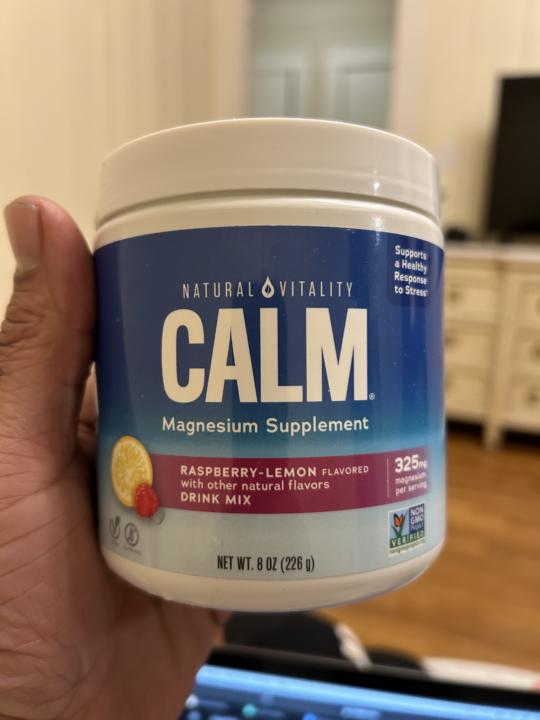
Ever wonder why magnesium is so important? ✅ Below you will find: 1️⃣ Top 3 Systems Magnesium Supports for Structural Health 2️⃣ Natural Sources of Magnesium with Estimated Values 3️⃣ Daily Recommended Intake Below you will also find a picture of a brand I always buy and love, although I prefer to get my magnesium from natural sources whenever possible. 1️⃣ Top 3 Systems Magnesium Supports for Structural Health Connective Tissue Health Magnesium is a superstar when it comes to keeping your connective tissues in tip top shape. It’s like the secret ingredient for making collagen, the protein that keeps your bones, skin, tendons, and cartilage strong and flexible. Plus, magnesium powers up the enzymes that build and actually fix's these tissues, making sure everything stays in working order. Protein Power Magnesium is like the ultimate sidekick for protein building. It helps keep ribosomes (the cell’s protein-making machines) in shape and makes sure enzymes do their job turning mRNA into proteins. Plus, it’s the secret behind ATP, the energy booster that makes protein building happen. Bone Builder Think of magnesium as the unsung hero of your bones. It helps form hydroxyapatite, the stuff that makes your bones strong and sturdy. It also keeps calcium in check, ensuring your bones stay healthy and happy. And, it’s got a hand in managing parathyroid hormone (PTH), which is crucial for bone maintenance. 2️⃣ Natural Sources of Magnesium with Estimated Values Nuts and Seeds - Almonds: About 80 mg per ounce (28 grams) - Cashews: About 74 mg per ounce (28 grams) - Pumpkin seeds: About 150 mg per ounce (28 grams) - Sunflower seeds: About 37 mg per ounce (28 grams) Leafy Greens - Spinach: About 157 mg per cooked cup - Kale: About 23 mg per cooked cup - Swiss chard: About 150 mg per cooked cup - Collard greens: About 40 mg per cooked cup Whole Grains - Brown rice: About 86 mg per cooked cup - Quinoa: About 118 mg per cooked cup - Oats: About 276 mg per raw cup - Whole wheat bread: About 23 mg per slice
2
0
Jul '24 •
Strengthening before Release ❌
Was in the gym last night, and I started to talk with a guy that was experiencing shoulder pain in both shoulders, probably 20 something years old. He told me he saw a post that recommended doing face pulls to fix this, but it hasn’t.. I began to explain that his internal rotators are too tight, actually hypertonic, and as long as that signal of contraction is there in the front of his shoulder girdle, he will not be able to adequately recruit his external rotators… It’s all about neurology, if those muscles are stuck in a tense or contracted phase, which his were, then you have to first kill that signal by releasing the tissue first, second restore length to the musculature, then retrain the mechanics. Don’t get stuck trying to retrain before release 💯
0
0

1-6 of 6
powered by
skool.com/restructure-8009
A healthy structure is a strong body, no matter how much you lift - Tips, support, and motivation to enhance your body's strength and alignment💪 🧘🏽
Suggested communities
Powered by