
Write something

Feb 17 •
AI in QA 2026: The Transformation That Already Happened
Many people say AI is a bubble. It very well might be. But here's what doesn't change: AI has already transformed the tech industry. By the end of 2026, it will be unrecognizable. ──────────────────────────────────────── 𝐀𝐈 𝐇𝐚𝐬 𝐀𝐥𝐫𝐞𝐚𝐝𝐲 𝐂𝐡𝐚𝐧𝐠𝐞𝐝 𝐐𝐀 𝐅𝐨𝐫𝐞𝐯𝐞𝐫 Tasks that defined QA work are already "solved" by AI: ∙ Document gathering - 10x faster ∙ Summarization - 10x faster ∙ Brainstorming - 10x faster ∙ Document creation - 10x faster The same thing is happening to test automation right now. AI coding agents like Cursor, Claude CLI, and Codex make code writing almost instant. ──────────────────────────────────────── 🔴 𝐒𝐨 𝐈𝐬 𝐈𝐭 𝐀𝐥𝐥 𝐒𝐜𝐚𝐫𝐲? Yes and No. Depends what you do next. If you're a manual tester, your time is running out. ⤷ Will manual jobs disappear? No. ⤷ Will they compress? Absolutely. Where you needed 5 people before for documentation and research work, now 2 people can do it. The Automation + AI combination is brutal reality. It's not coming. It's happening NOW. If you're still doing pure manual work, you need to hurry up and decide: Fight in a brutal job market or dedicate a few months to learn automation. ──────────────────────────────────────── 🚫 𝐓𝐡𝐞 "𝐀𝐈 𝐖𝐢𝐥𝐥 𝐖𝐫𝐢𝐭𝐞 𝐓𝐞𝐬𝐭𝐬 𝐅𝐨𝐫 𝐌𝐞" 𝐃𝐞𝐥𝐮𝐬𝐢𝐨𝐧 Don't kid yourself thinking AI coding agents can write code and you can just tell them what to do. AI agents write consistent production-quality code ONLY if you tell them HOW to do it. That requires using advanced features like: ∙ AGENTS.md ∙ SKILL.md ∙ Proper test design patterns ∙ Understanding technical limits If those names mean nothing to you, that's a problem you must fix ASAP. Only then can you start using AI for coding properly. ──────────────────────────────────────── ⚡ 𝐓𝐡𝐞 𝐆𝐚𝐩 𝐈𝐬 𝐖𝐢𝐝𝐞𝐧𝐢𝐧𝐠 𝐄𝐯𝐞𝐫𝐲 𝐃𝐚𝐲 Current QA Automation Engineers and SDETs already KNOW all the foundational skills, plus have the experience . When they start using AI coding agents, you simply will not be able to catch up. They're already ahead. AI makes them 10x faster. The gap gets wider every single day.

Jan 18 •
What Test Automation Framework To Learn: The Roadmap
The biggest mistake beginners make is picking a framework based on hype instead of their actual situation. This guide breaks down exactly which testing framework you should learn first and why your choice matters more than you think. ▶ 𝗦𝗰𝗲𝗻𝗮𝗿𝗶𝗼 𝟭: 𝗬𝗼𝘂'𝗿𝗲 𝗮 𝗠𝗮𝗻𝘂𝗮𝗹 𝗤𝗔 𝗮𝗻𝗱 𝗬𝗼𝘂𝗿 𝗖𝗼𝗺𝗽𝗮𝗻𝘆 𝗛𝗮𝘀 𝗔𝘂𝘁𝗼𝗺𝗮𝘁𝗶𝗼𝗻 Learn whatever framework your team already uses. Yes, even if it's outdated. Even if it's not the "best" choice. Why this matters: You'll have access to real production code, working examples, and experienced teammates who can answer your questions. You can start contributing meaningfully within weeks instead of months. The learning advantage is massive. When you're stuck on a problem, you can look at how your team solved similar issues. When you write your first test, senior engineers can review it. When something breaks, you'll see how professionals debug it in real time. Don't worry about learning an "old" framework first. The concepts transfer easily once you understand automation fundamentals. Getting hands-on experience with production code beats learning the latest trendy framework in isolation every single time. ▶ 𝗦𝗰𝗲𝗻𝗮𝗿𝗶𝗼 𝟮: 𝗬𝗼𝘂𝗿 𝗖𝗼𝗺𝗽𝗮𝗻𝘆 𝗛𝗮𝘀 𝗡𝗼 𝗔𝘂𝘁𝗼𝗺𝗮𝘁𝗶𝗼𝗻 𝗼𝗿 𝗬𝗼𝘂'𝗿𝗲 𝗡𝗼𝘁 𝗶𝗻 𝗤𝗔 𝗬𝗲𝘁 Learn Playwright. This is the clear choice for 2026, and here's exactly why. ● 𝗠𝗼𝗱𝗲𝗿𝗻 𝗮𝗻𝗱 𝗚𝗿𝗼𝘄𝗶𝗻𝗴 𝗙𝗮𝘀𝘁 Playwright is exploding in popularity right now. More companies adopt it every month, and its growth shows no signs of slowing. This means more job opportunities and a skill that will stay relevant for years. ● 𝗕𝗮𝗰𝗸𝗲𝗱 𝗯𝘆 𝗠𝗶𝗰𝗿𝗼𝘀𝗼𝗳𝘁 Microsoft uses Playwright for all their testing. That's not just endorsement, it's proof the framework can handle enterprise-scale applications. When a tech giant stakes their quality assurance on a tool, you can trust it's built to last. ● 𝗕𝗲𝗴𝗶𝗻𝗻𝗲𝗿-𝗙𝗿𝗶𝗲𝗻𝗱𝗹𝘆 𝗕𝘆 𝗗𝗲𝘀𝗶𝗴𝗻 Playwright handles all the complex setup for you. Logging, screenshots, video recording, waiting for elements - it's all built in. You don't spend weeks configuring infrastructure before writing your first test. You can start contributing value immediately.
9
0

Aug '25 •
DO NOT Apply to Junior QA Automation Roles. Ever.
If you're a Manual Tester thinking you need to "𝐬𝐭𝐚𝐫𝐭 𝐚𝐭 𝐭𝐡𝐞 𝐛𝐨𝐭𝐭𝐨𝐦" in automation… and start applying for 𝐉𝐮𝐧𝐢𝐨𝐫 𝐫𝐨𝐥𝐞𝐬… 🔹 𝐃𝐨𝐧'𝐭 𝐝𝐨 𝐭𝐡𝐚𝐭. 𝐔𝐧𝐥𝐞𝐬𝐬… You want to be underpaid, compete with thousands of other people for a single role, and spend years grinding to get to a decent job. 🔹 𝐖𝐡𝐲 𝐓𝐡𝐢𝐬 𝐈𝐬 𝐇𝐚𝐩𝐩𝐞𝐧𝐢𝐧𝐠 Because of the misconception that Junior roles are "easier" to get because you need to be less qualified. And that IS true - you do need to be less qualified to get Junior roles. 🔹 𝐁𝐮𝐭 𝐲𝐨𝐮 𝐤𝐧𝐨𝐰 𝐰𝐡𝐚𝐭 𝐢𝐬 𝐚𝐥𝐬𝐨 𝐓𝐫𝐮𝐞? That exact reason makes these roles flooded with resumes, which gives companies the ability to pay peanuts… and be picky. So, can a Manual Tester 𝐬𝐰𝐢𝐭𝐜𝐡 𝐬𝐭𝐫𝐚𝐢𝐠𝐡𝐭 𝐭𝐨 𝐚 𝐦𝐢𝐝‑𝐥𝐞𝐯𝐞𝐥 𝐨𝐫 𝐬𝐞𝐧𝐢𝐨𝐫 𝐐𝐀 𝐀𝐮𝐭𝐨𝐦𝐚𝐭𝐢𝐨𝐧 Engineer role? ABSOLUTELY. And it's not just advice, it's a direct order you should follow if you want to make your life easier. 📌 𝐖𝐡𝐲 𝐘𝐨𝐮 𝐒𝐡𝐨𝐮𝐥𝐝 𝐒𝐤𝐢𝐩 𝐉𝐮𝐧𝐢𝐨𝐫 𝐄𝐧𝐭𝐢𝐫𝐞𝐥𝐲 Because you are overqualified. You already know: ✅ How to test ✅ Where applications typically break ✅ How to design comprehensive test coverage ✅ How to communicate with developers ✅ How to prioritize what matters That is literally 𝟓𝟎% of the job. You don't need to learn it; you already have the real experience. The rest… 𝐓𝐡𝐞 𝐓𝐞𝐜𝐡𝐧𝐢𝐜𝐚𝐥 𝐒𝐤𝐢𝐥𝐥𝐬 𝐀𝐫𝐞 𝐋𝐞𝐚𝐫𝐧𝐚𝐛𝐥𝐞 - Programming fundamentals? 1-2 months of focused learning. - Testing framework basics? 2-3 weeks. - CI/CD integration? 1 week. Total: 3-4 months to be mid-level ready. And the truth is, the skill requirements are not much different between Junior and Mid-level. The main difference is how well you position yourself at interviews. 𝐓𝐡𝐢𝐧𝐤 𝐚𝐛𝐨𝐮𝐭 𝐢𝐭: - Same skills - Same experience - $50,000+ difference in salary - 10x easier to get in 𝐇𝐞𝐫𝐞 𝐀𝐫𝐞 𝐚 𝐅𝐞𝐰 𝐒𝐭𝐫𝐚𝐭𝐞𝐠𝐢𝐞𝐬 𝐭𝐨 𝐏𝐨𝐬𝐢𝐭𝐢𝐨𝐧 𝐘𝐨𝐮𝐫𝐬𝐞𝐥𝐟 𝐚𝐬 𝐚 𝐌𝐢𝐝‑𝐋𝐞𝐯𝐞𝐥 𝐐𝐀 𝐀𝐮𝐭𝐨𝐦𝐚𝐭𝐢𝐨𝐧 𝐄𝐧𝐠𝐢𝐧𝐞𝐞𝐫: 📄 Resume: - If you learned a technology, put it in - even if you don't get paid for using it. You still know it. 💼 Job Search: - Apply for ALL mid and senior roles. - Include your current experience in the automation experience (it's all testing at the end of the day) - Ignore the tech stack they want. In reality, this is just a wish list.


Aug '25 •
🚨 Your "Loyal Employee" Mindset Is Costing You 130%+ of Your Potential Salary
Manual testers ask me: "Should I stay at my company and wait for a promotion to QA Automation?" My answer: HELL NO. Here's the brutal math: STAYING PUT: • Year 1: Manual tester baseline salary • Year 3: +10% raise (if you're lucky) • Year 5: Maybe +20% total after 5 years JOB HOPPING EVERY 2-3 YEARS: • Year 1: Manual tester baseline • Year 3: +100% jump (automation role, new company) • Year 5: +150% from original (senior automation, another jump) The difference? 130% MORE salary by hopping vs. staying. Your current employer will NEVER pay you what the market pays you. Why? Because they hired you at X salary and their brain is anchored to that number forever. But a NEW employer? They see your automation skills and pay market rate. Stop being "loyal" to companies that cap your earning potential. Your skills are growing. Your salary should too. Job hop every 2-3 years = Salary hop to your true worth.

Aug '25 •
Why Learning CI/CD for Testing Is Your Secret Career Weapon
If you think CI/CD is "too technical" or "not my job"... You're about to miss out on the easiest way to 𝐝𝐨𝐮𝐛𝐥𝐞 𝐲𝐨𝐮𝐫 𝐯𝐚𝐥𝐮𝐞 in the job market. And I'm not exaggerating. Whether you're doing manual testing or automation, learning basic DevOps skills, specifically how to build and manage testing pipelines, is a 𝐦𝐚𝐬𝐬𝐢𝐯𝐞 𝐜𝐚𝐫𝐞𝐞𝐫 𝐚𝐜𝐜𝐞𝐥𝐞𝐫𝐚𝐭𝐨𝐫. Because you'll be able to solve one of the biggest pain points in modern software development. 𝐓𝐡𝐞 𝐎𝐥𝐝 𝐖𝐚𝐲 𝐯𝐬. 𝐓𝐡𝐞 𝐍𝐞𝐰 𝐑𝐞𝐚𝐥𝐢𝐭𝐲 🔴 𝐇𝐨𝐰 𝐢𝐭 𝐮𝐬𝐞𝐝 𝐭𝐨 𝐰𝐨𝐫𝐤: - QA needs tests to run in the pipeline? Create a ticket for DevOps. - Want to trigger a test suite? Another ticket. - Need to review the results? Go find someone who can. - Pipeline broke? Guess what... another ticket. - DevOps picks up these tickets "when they have time." 𝐓𝐡𝐞 𝐩𝐫𝐨𝐛𝐥𝐞𝐦 𝐰𝐢𝐭𝐡 𝐭𝐡𝐢𝐬 𝐚𝐩𝐩𝐫𝐨𝐚𝐜𝐡: Modern companies move fast. This process slows down 𝐞𝐯𝐞𝐫𝐲𝐭𝐡𝐢𝐧𝐠, including releases, bug fixes, and your ability to provide quick feedback. 𝐏𝐥𝐮𝐬, DevOps teams are usually the busiest department in any tech company. They're not just building new infrastructure. They're supporting legacy systems, handling security, managing deployments, and putting out fires. ⚠️ Your testing pipeline tickets? They're at the bottom of a very long list. 𝐖𝐡𝐚𝐭 𝐓𝐡𝐢𝐬 𝐌𝐞𝐚𝐧𝐬 𝐟𝐨𝐫 𝐘𝐨𝐮 If you can handle your own testing CI/CD tasks, you become someone who 𝐬𝐩𝐞𝐞𝐝𝐬 𝐭𝐡𝐢𝐧𝐠𝐬 𝐮𝐩 instead of slowing them down. Companies 𝐥𝐨𝐯𝐞 people who solve problems instead of creating more work. And they pay them accordingly. "𝐁𝐮𝐭 𝐃𝐞𝐯𝐎𝐩𝐬 𝐈𝐬 𝐇𝐮𝐠𝐞 𝐚𝐧𝐝 𝐒𝐜𝐚𝐫𝐲!" You're right. If you want to become a full DevOps engineer, it 𝐢𝐬 𝐡𝐚𝐫𝐝. But here's the thing: 𝐘𝐨𝐮 𝐝𝐨𝐧'𝐭 𝐧𝐞𝐞𝐝 𝐭𝐨 𝐥𝐞𝐚𝐫𝐧 𝐚𝐥𝐥 𝐨𝐟 𝐃𝐞𝐯𝐎𝐩𝐬. You only need the parts that directly impact testing: ✅ 𝐁𝐚𝐬𝐢𝐜 𝐋𝐢𝐧𝐮𝐱 𝐜𝐨𝐦𝐦𝐚𝐧𝐝𝐬 (5-10 commands, tops) ✅ 𝐇𝐨𝐰 𝐭𝐨 𝐬𝐞𝐭 𝐮𝐩 𝐭𝐞𝐬𝐭𝐢𝐧𝐠 𝐩𝐢𝐩𝐞𝐥𝐢𝐧𝐞𝐬 in one CI/CD tool (GitHub Actions, Jenkins, or GitLab) ✅ 𝐄𝐧𝐯𝐢𝐫𝐨𝐧𝐦𝐞𝐧𝐭 𝐦𝐚𝐧𝐚𝐠𝐞𝐦𝐞𝐧𝐭 (understanding dev/staging/prod) ✅ 𝐓𝐞𝐬𝐭 𝐫𝐞𝐩𝐨𝐫𝐭𝐢𝐧𝐠 𝐢𝐧𝐭𝐞𝐠𝐫𝐚𝐭𝐢𝐨𝐧 (getting the results) ✅ 𝐁𝐚𝐬𝐢𝐜 𝐭𝐫𝐨𝐮𝐛𝐥𝐞𝐬𝐡𝐨𝐨𝐭𝐢𝐧𝐠 (reading logs, identifying common failures)

1-8 of 8
skool.com/qa-automation-career-hub
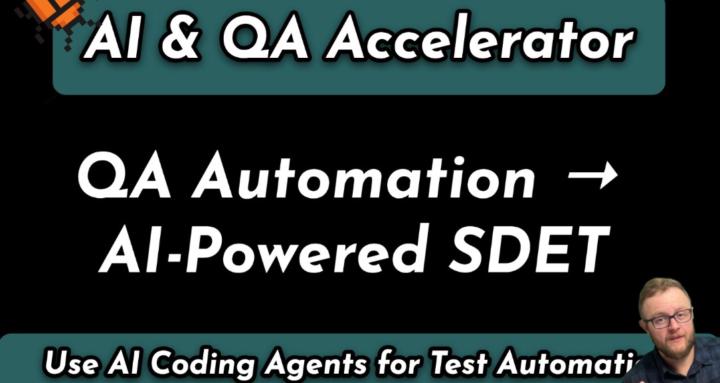
From QA Automation to AI-Powered SDET. Join AI & QA Accelerator.
Powered by